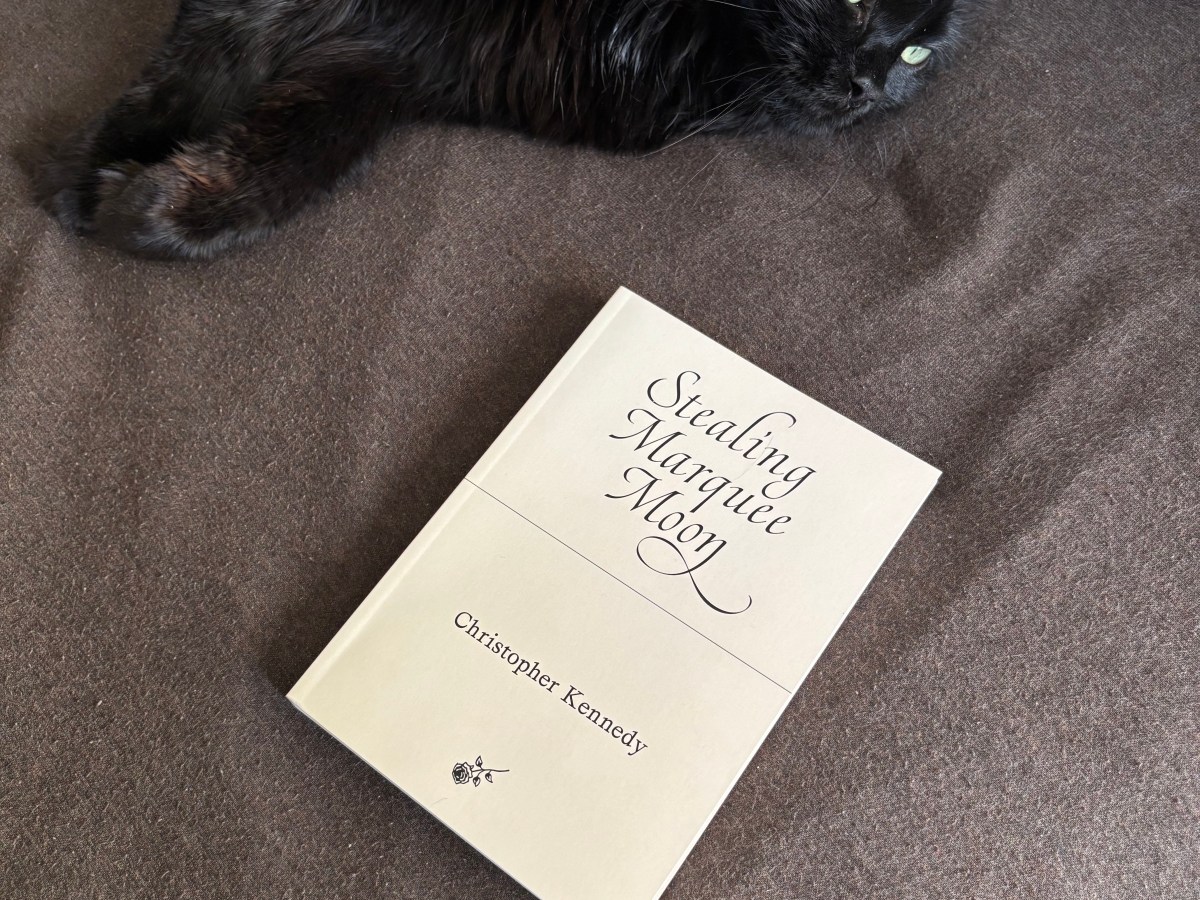

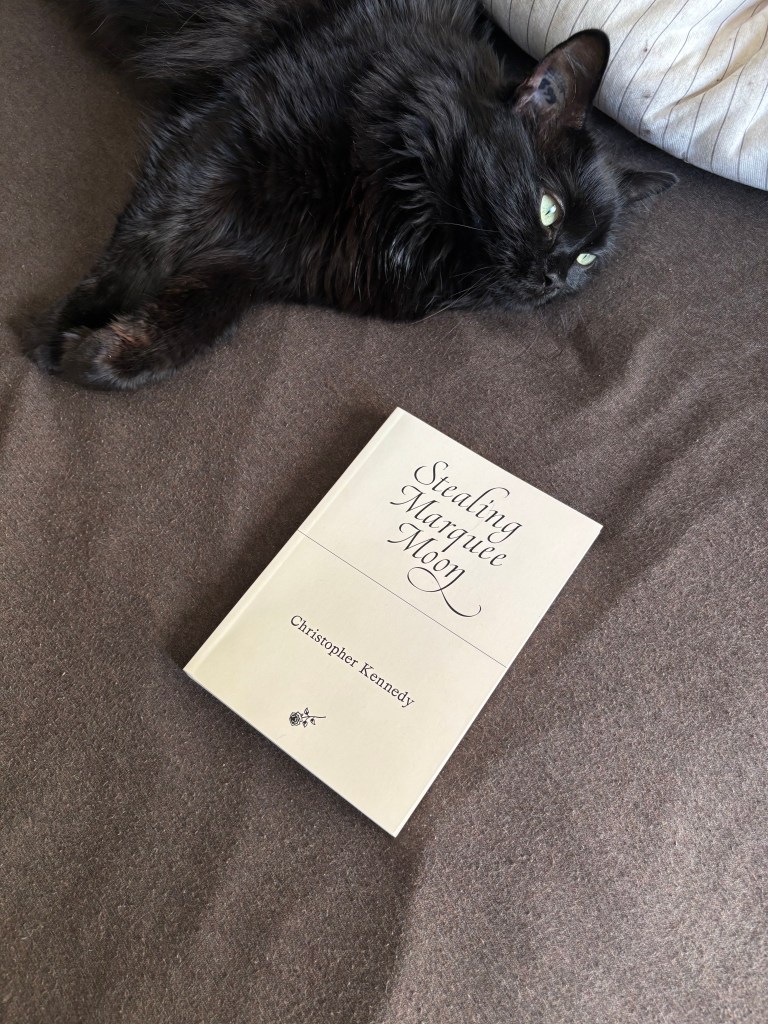
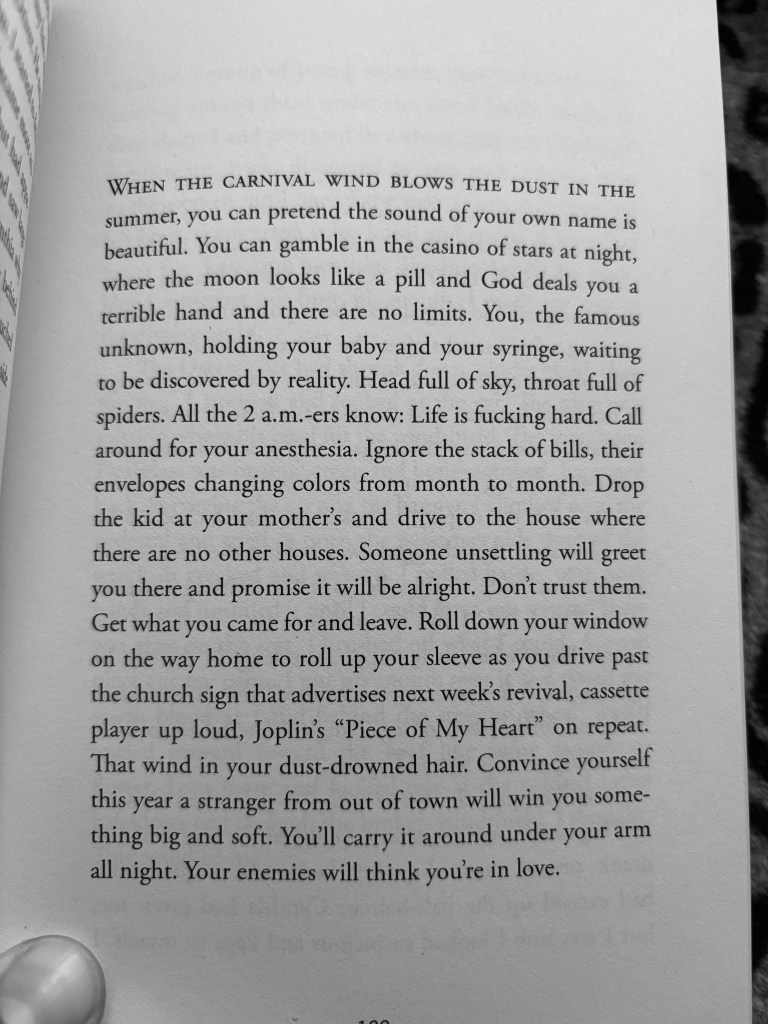
I found Stealing Marquee Moon, the debut novel from Christopher Kennedy, to be quite reminiscent of Harmony Korine’s Gummo, or the memoirs of Scott McClanahan, but simultaneously quieter and more bizarre. There are drugs and debauchery abound, but Kennedy distills these memories into brisk, dreamlike scenarios that feel both distant and fleeting. Not a lot of time is spent on building the interiority or development of characters; rather, they are given impersonal nicknames and stand as open molds, people who could be anybody, really, and maybe they are everybody. I’m sure you know someone just like The Driver from your own youth, a fucked up and circumstantial friend who you still miss, and you probably have your own Butterfly Girl, too. I know I have mine. Kennedy recounts these memories of his life with an aloof detachment, but there is clearly something he is reaching for by bringing these moments back to life. At one point he asks bluntly, “Why conjure the past? What could be accomplished by trying to explain the things that make us and haunt us?” Later he skips over two decades of odd jobs, going to school, getting married and divorced, leaving the reader with a simple “What is there to say?” It feels to me like Kennedy is grappling with the acknowledgment that sometimes life isn’t profound. Sometimes a bunch of fucked up shit just happens, and then you die, and sometimes you numb yourself to life so thoroughly that you don’t even realize how much those fucked up events shape you until you try to reconstruct them from a bird’s-eye view. Sebald once wrote that memory makes one’s head heavy and giddy, as if one were not looking back down the receding perspectives of time but rather down on the earth from a great height, and I think Stealing Marquee Moon captures that essence delightfully by embracing the distortion of time and allowing the resulting images to speak for themselves instead of trying to fabricate a meaningful story arc or moral.
If I have one recommendation for the potential reader, it is to read this book during the quiet moments of your day, perhaps in the morning with your coffee, or at the park with the grass beneath your feet, and let it sit with you. Kennedy’s strength as a poet is on full display here, and I think you’ll find a lot to enjoy with this novel despite the fact that it isn’t wrapped up with a neat bow and an explosive climax. Like I said, sometimes shit happens and then you die, but that doesn’t mean life can’t be beautiful, or at least humorous in its melancholy. I look forward to diving into some of Kennedy’s poetry now.