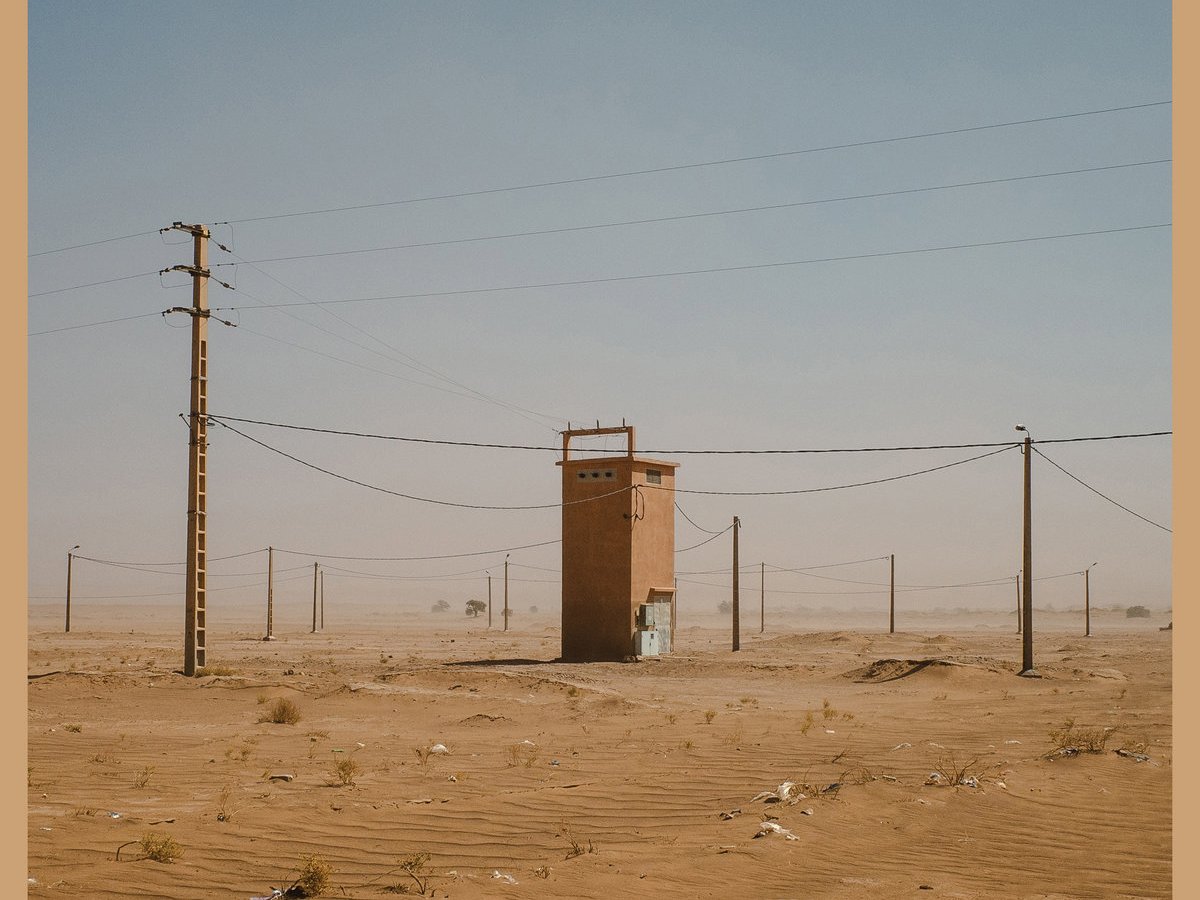
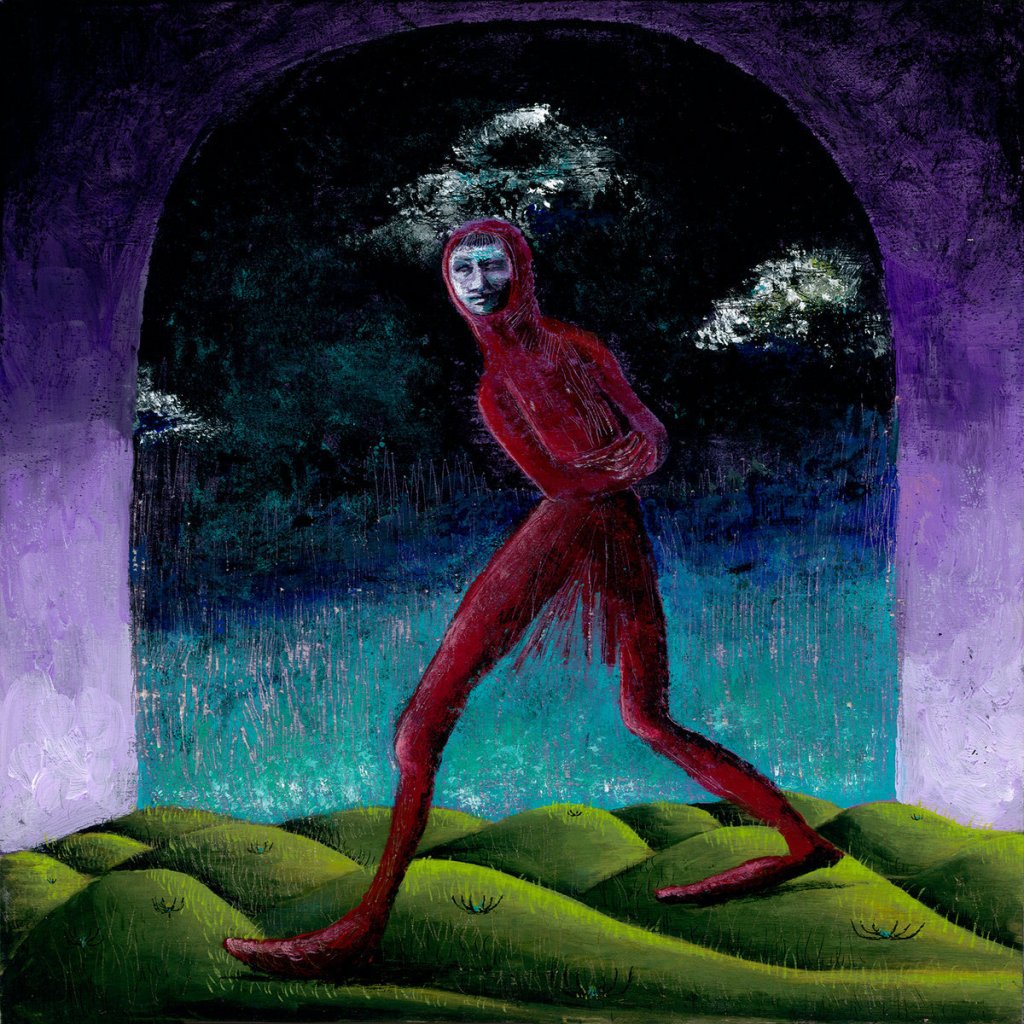
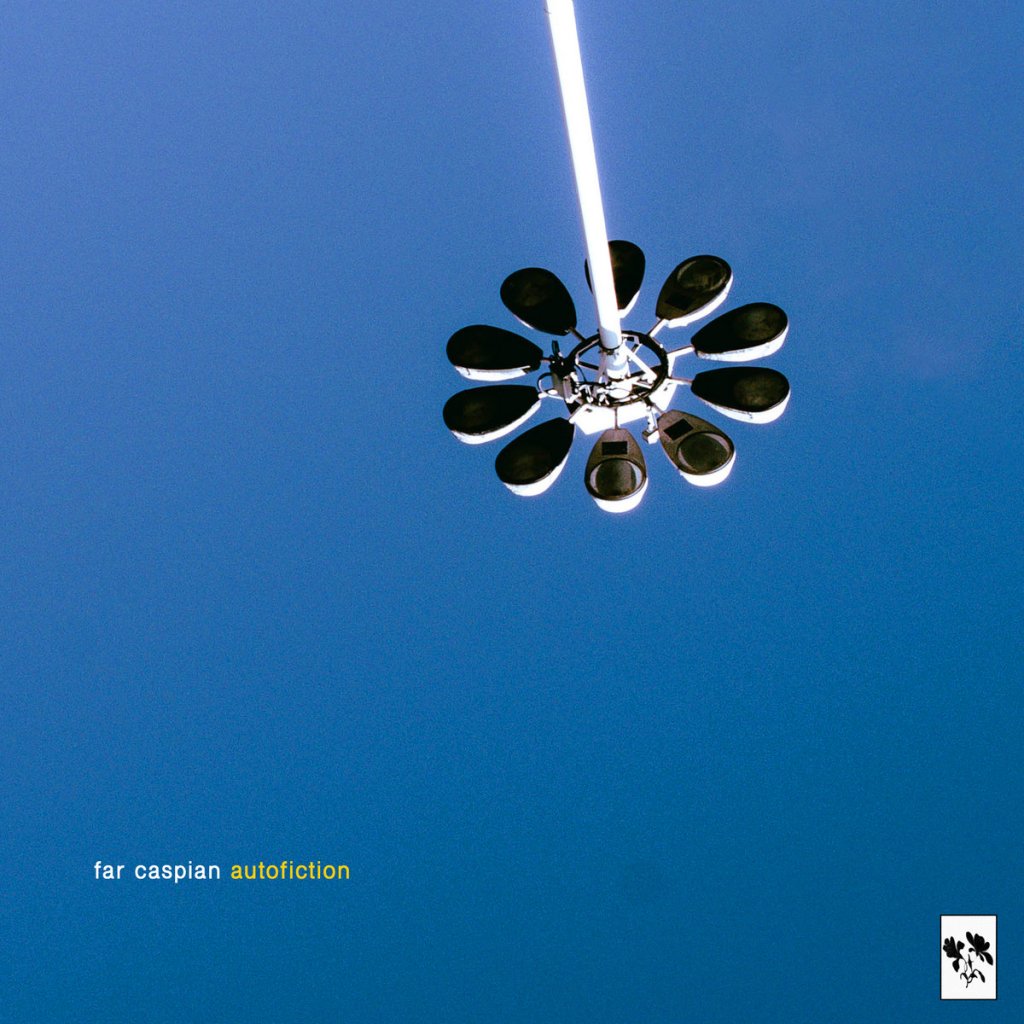
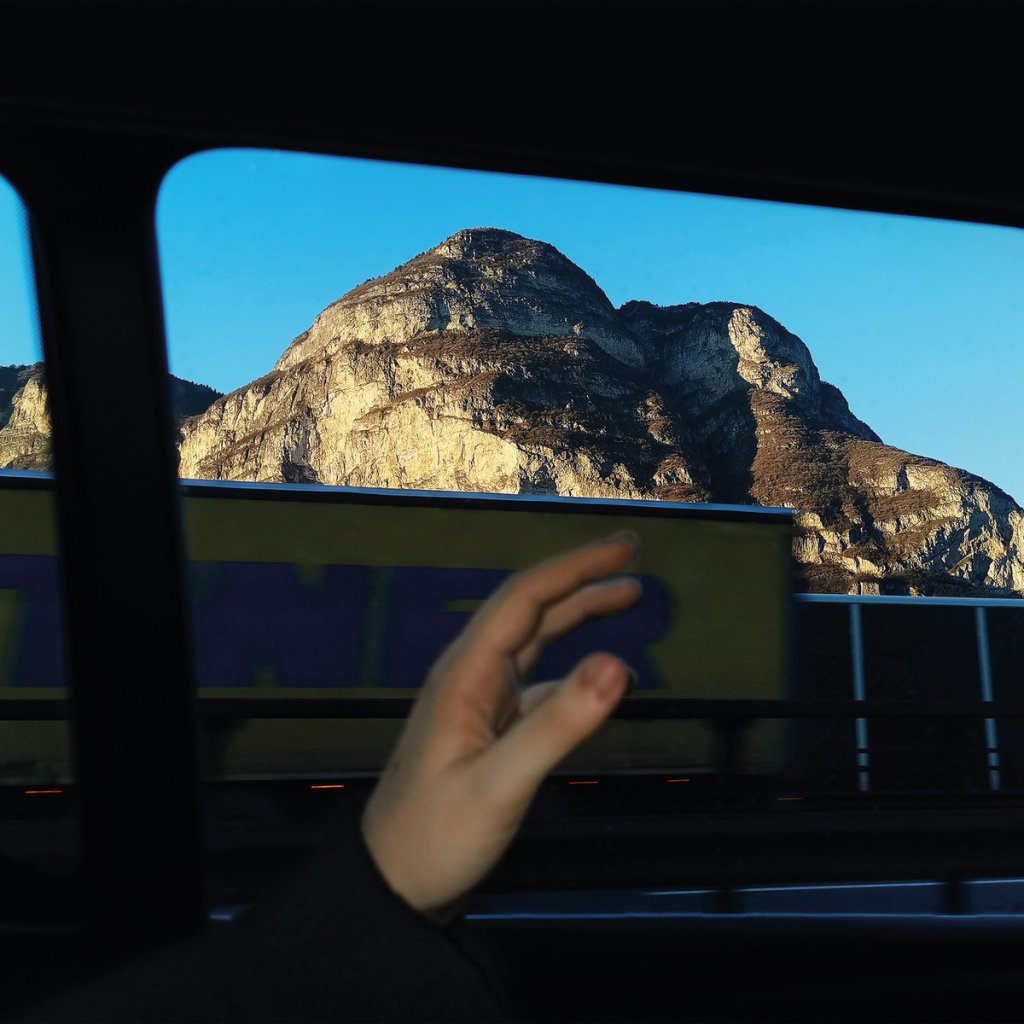
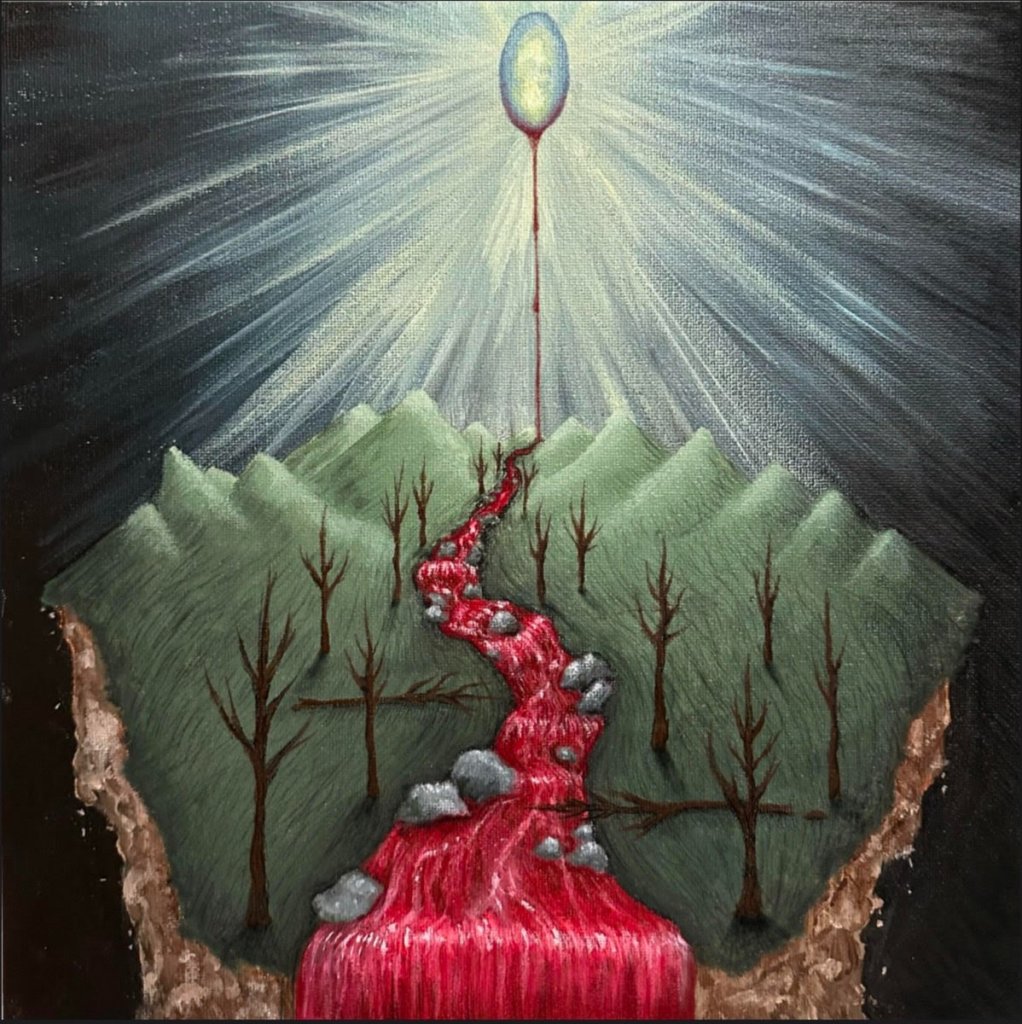
Ahh, Texas—natural habitat of cowboys, armadillos, wild horses, and, uh, one of the world’s most preeminent slowcore bands (Bedhead, duh). Teethe combines this rich cultural tapestry into a sophomore album that is both packed with panoramic landscapes and lush wildlife, as well as a pace that, depending on whether you prefer a trot or a gallop, may be too unhurried for its own good. Magic Of The Sale does commit the cardinal (modern) sin of placing a slow burn at the very start of the album but likewise succeeds in setting expectations for the kind of energy expenditure you’re in for. The problem is that the pre-release singles—namely “Magic Of The Sale”, with its gorgeous, sweeping chorus, and “Holy Water”, with its upbeat pop appeal—set a different kind of expectation for a more outwardly expressive album. Those songs, however, end up being an exception to the album’s colour palette, not the rule. Lead single, “Hate Goodbyes”, with its tactile arrangements of pedal steel, flutes, and piano, is at least a little more representative of the full picture. Don’t get me wrong, Magic Of The Sale is absolutely enjoyable from start to finish, but it is also much more concerned with nurturing its own secret garden than it is with sending out invitations.
I’m not sure about you, but my last memories of true, unfettered youth exist in the post-high school limbo where I had not a care in the world but for the weight of my future looming over me like an anvil. I invariably sought out forms of escapism to delay the inevitable “get your shit together,” squeezing out the last few drops of NEET life by pulling all-nighters on the family PC, immersed in music forums, falling down rabbit holes of 90s obscurities to transport my mind as far away from the present as possible. These are fond memories, but they don’t exist without the context of the anvil. The sun would rise, lighting the sky with hues of orange and baby blue, and all I could see was a world of churning gears waiting to swallow me whole. I shut off the computer and ran to bed.
FFO: EXPERIMENTAL INDIE ROCK, AMERICANA, POST-ROCK / LISTEN
Take an old-fashioned, served neat—sweet, smooth, complex—this is the impetus of caroline’s sophomore record, caroline 2. Where caroline 2 differs most from the group’s debut is in terms of polish. The form of their songwriting remains expansive, covering a wide range of post-rock and folk with a few modern production quirks to boot, but they have excised most of the meandering fluff and dead air this time around for a more streamlined, melody-focused experience, even going so far as to invite the acrobatic Caroline Polachek on board for the group’s catchiest swing at folk-pop to date (“Tell me I never knew that”. But let’s not get ahead of ourselves.
The punkgaze to shoecountry pipeline is real, and it flows like a river of blood through the valleys of God’s country. Americana has been growing like a weed amongst the denim-patched and tattooed youth lately, protruding increasingly from cracks in the pavement as acts like Wednesday and MJ Lenderman fearlessly blend a slacker’s wiry edge with steel guitars and a nonchalant twang. Of course, alternative country goes back decades, but it’s currently seeing another renaissance inspired by an equal love of both Drive-By Truckers and My Bloody Valentine. Whether this shift in the punk consciousness is the result of blue-collar solidarity in the Bible Belt or just an effort to wrestle the weirdness of anti-establishment music from the hands of Miller Lite and Big Truck, the movement is giving birth to some brilliant contemporary voices and observational wit.
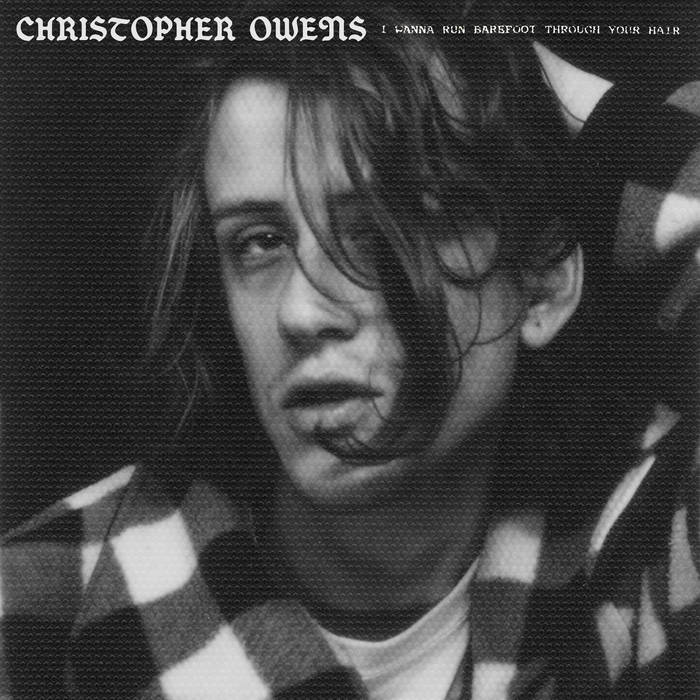
Although I’m certain Christopher Owens wouldn’t want every review for his first solo album in nine years to turn into a pity party, or an exposé on his personal life, it’s pretty clear that the man has had a rough few years. Death, heartbreak, homelessness, addiction—you name it, Owens has been through it, and that’s not even mentioning his upbringing in a religious cult that was rife with allegations of abuse. However, I Wanna Run Barefoot Through Your Hair is pretty clear in its intent to lay it all out on the table, in all honesty. “No Good” immediately sets the tone for the album as Owens sings his opening lines; “No not another love song, not one more song where I’m pretending everything will be okay”. It’s no surprise that some of the most interesting people aren’t necessarily the happiest.
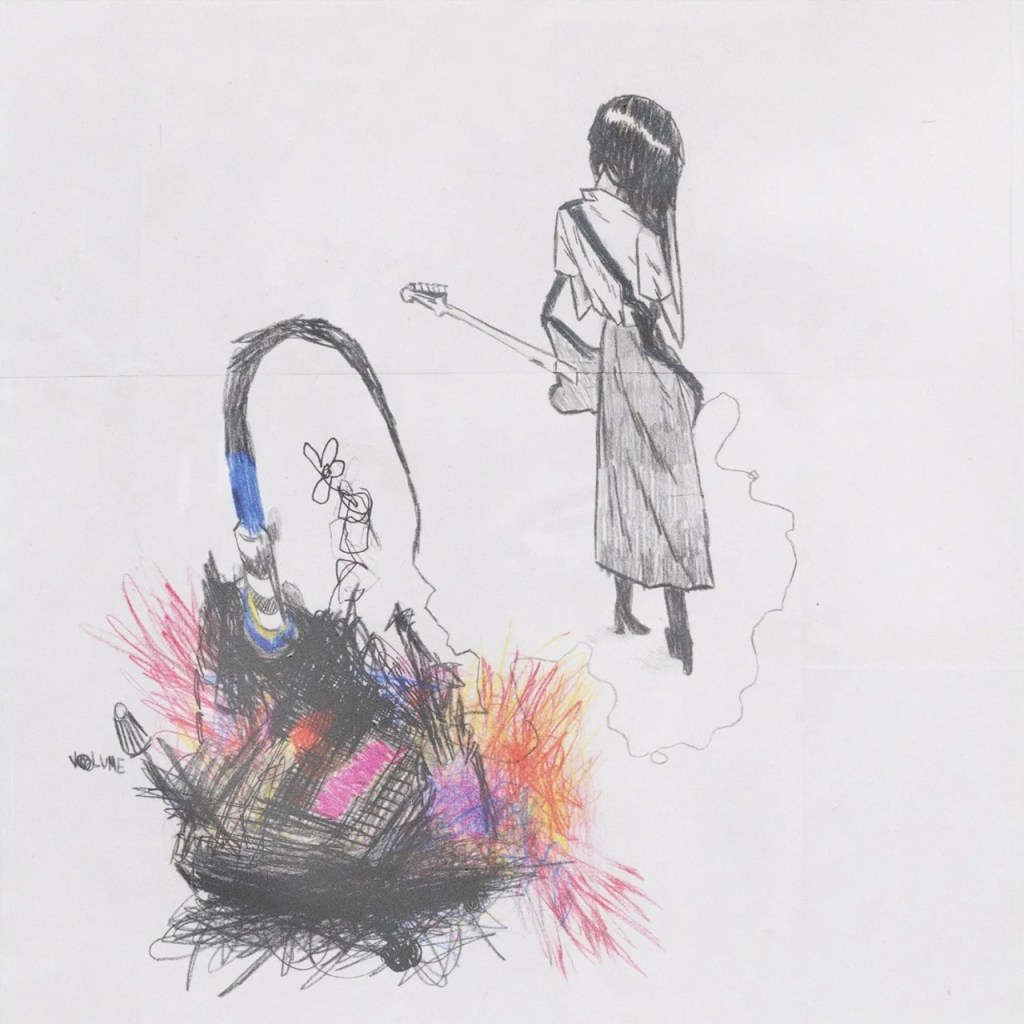
Somewhere, a solitary angel clangs a scuffed up fender jazzmaster against the gates of heaven. Upon hearing no response, the angel stomps on a fuzz box and clangs again, sparking circuit boards into a shower of technicolor crayon scrawls. Her name is julie, and she likes to watch things explode.
“In came a boy with mid-length greasy hair, he had lots of songs that he wanted to share.”
And so he did. Through a stoned haze of squelching guitars and distorted synths, Rick White introduces himself with a parable of being attacked by a misanthropic bird named Roger. Roger hates the way that humans stare at him so unfriendly, so he decides to attack the boy. A barrage of panicked limbs erupts, and Roger is knocked to the ground, stunned with the taste of greasy hair in his mouth. It’s hard to tell who the narrator actually is in this story.
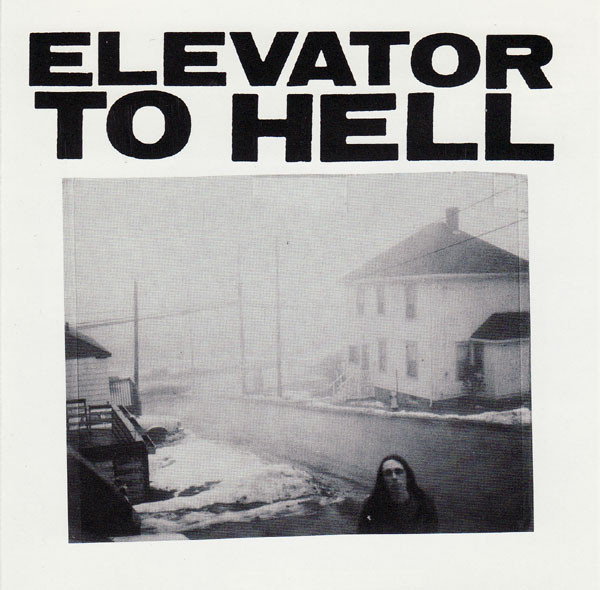
1993 was a big year for Rick White. With nothing more than a couple demo tapes under their belt, his band Eric’s Trip became the first group of Canadians to sign a record deal with Sub Pop, and their debut album was released to critical acclaim, but his personal life was a mess. Love Tara (somewhat humorously named after his new girlfriend, who would play bass for Elevator) was a concept album/musical therapy session dedicated to the break up of his relationship with fellow bandmate and collaborator Julie Doiron. It was a superbly intimate record—equal parts sad and awkward—but it was surprisingly mature for a couple of twenty year old’s to hash things out like that for the world to hear, and the people loved it. Despite the bands sudden success, and the fact that he and Julie managed to stay cordial enough to tour and release two more albums together, it’s safe to say that Rick needed a secondary outlet to express himself. Thus, in 1994, Elevator To Hell was born.
Parts 1-3 plays out like a collage of hazy, drug induced scrap book musings. It’s a compilation of twenty-seven lo-fi and experimental pop, rock and folk songs that were all recorded straight to cassette on the day of their inception, without much of a second thought, and with whatever instruments that Rick could find laying about in his smoke filled bedroom. Rick’s propensity for capturing a moment and translating it to song makes being a musician look easy. He doesn’t need to spend days meticulously crafting a bridge or pre-chorus when hooks and harmonies flow out of him like water, and so he wrote and recorded to his heart’s content. His stories are simple, and brought to life by a rotating cast of drums, bass, electric or acoustic guitar, and synthesizers—all of which are cycled in and out on a whim. The only real sense of cohesion holding this collection of songs together is their eclectic charm, but that’s a huge part of the appeal. It’s a mixed bag of styles and volumes that is sometimes sweet, sometimes spooky, sometimes quiet, and sometimes so loud that every input on the tape recorder must have been clipping and peaking to god knows where (warning: listening to “Boots” may induce bleeding of the ears).
All these pot smoke allegories are not baseless, by the way. Rick states quite plainly on second track “Why I Didn’t Like August 93” that he has a problem with girls, and with drugs, and implies throughout the album that these obsessions are simply fuel for his own self destruction. This problem becomes quite apparent and tangible to our ears over the hour that we spend listening to him fawn and reflect. Catchy love songs like “Three More Weeks” and “Made For You” are contrasted by the totally bizarre percussion soundscape of “Mercyful Fate” (named after, but not sonically inspired by the heavy metal band from Denmark), or the off kilter synth pop of “Killing Myself” and “Train From You”, amongst plenty of other head scratchers. Rick might be playing pinball with his genre exploration, but these songs are held together by a peculiar sense of melody and loneliness. During seventh track “Typical, Boy Loses Girl”, Rick asks why he even bothers writing these songs, and begs to escape from himself altogether. There’s always a hint of hyperbole and dramatization in music, but he was clearly going through it while writing these songs, and I’m just glad that he was able to continue pursuing art and funnel that turmoil into creation.
Not only has Rick White released a gargantuan library of music since this came out in 1996 (his bandcamp page is currently sitting at fifty-three releases, which doesn’t even include everything), but the landscape of music itself has come a long way since lo-fidelity tape recordings infiltrated the subculture markets of the 90s. This album definitely shows it’s age with it’s DIY sound and approach, and it probably wont attract many new ears outside of avid Eric’s Trip fans or CanCon historians, but Parts 1-3 is a special time capsule of ideas that really deserves to be uncovered. It’s the type of album that could only ever be made by a sad twenty-somethings stoner living in Moncton, New Brunswick in the 90s, and that’s why I love it. Rick White proved that you don’t need expensive equipment, or even a band, to create compelling stories, and that continues to inspire me to this day. A catchy hum along tune and a unique voice is all you really need. Oh, and maybe a side of psychoactive substances. Just don’t turn into Roger.