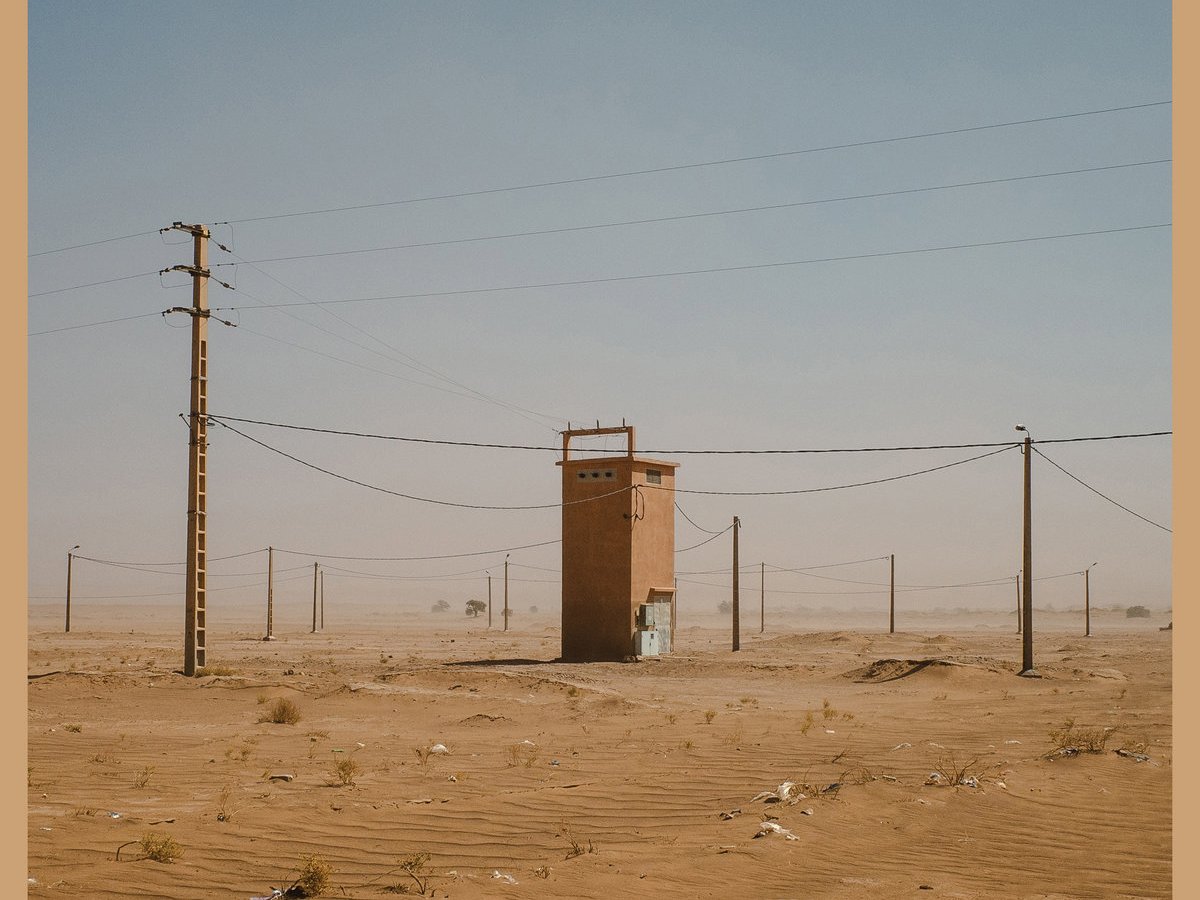
He chucked his gas mask onto his bed and circled the room, wiping at clogged pores with dirty hands, blinking the dust out of his eyes. He walked to the sink, one hand steadying himself against the counter top, and cranked the faucet handle. It dribbled pathetically, then spurt a clod of black and settled into a piteous rivulet, hardly enough pressure to remove a speck of dirt from his fingers. He hunched forward and twisted his neck to put his mouth under the tap, pulling slurps of gritty water across his tongue. His dead ends dripped into the pestilential dish water curdling at the bottom of the basin and he didn’t care. He straightened up, twisted his spine, pop pop pop, and looked out of the window.
	Whose idea was it to install windows in this place? You can’t see anything. The smog obscures it all, even the neighbouring barracks appear half clung to their corporeality, saved only by the electric glow of the central server. It was a sick joke. He knew that beyond the smog, over the gates of the compound, was a body of water, and on its opposite shoreline, a mountain, although the state of the trees was unknown, they could have been scorched a long time ago, leaving the mountain a bald head of needles. He gagged and spat into the sink. Black again. He kicked off his boots and sat down on the bed, placed his head in his hands and ran his fingers through the grime in his hair.
	People used to find themselves in nature. He knew that. A bootleg of Thoreau’s Walden sat under his mattress, dog eared and covered in soot. There hadn't been a contraband sweep in days, and he wondered why. The sweepers were more concerned with tools of sabotage, but still they would laugh at the book's futility as they tossed it in their black bag. At least two shovelers had been disappeared last month. Something about old rags and bottles of whisky.
	Was the smog really getting worse? He was so used to the smell of burnt electrodes in the air that he stopped caring. His job was to feed the thing, not maintain it, they had drones for that, but he couldn’t shake the feeling that something was off—a lack of presence in the command chain, gears that seemed to groan under pressure, as if they hadn’t been lubricated or adequately cooled. The fumes were making him feel sicker than ever, he was sure, but that was normal, expected even. If you weren’t sick, you weren’t living. He peeled off his jumpsuit and fell back into the pitted temperfoam, and there he dreamt of a great fire.
	In his sleep he could hear the sirens blaring. He felt the rattle of the towers working themselves into a frenzy, sending billows of black smoke into the air, overloading drone flightpaths, causing them to drop dead out of the sky, much like the birds did before he was born (he knew about that too, that there used to be music in the trees). He felt the earth split open beneath the central structure and watched, from outside his body, as it sunk into the ground.

He never woke up again.

	—XC-380 is offline, a slow leak in the cooling system, catastrophic failure, the whole compound is a pile of ash, the man with the gold ring growled, morose as he stamped out a cigarette.
	—How was it not caught earlier? The other man asked, bringing his fist down on the table, his face swollen and red.
	—Forensics suspects a mole, some ideologue who found his way into upper management, altered the task priority of the repair drones.
	—But the profiler... he should have been flagged before he even stepped foot in the compound.
	—It happens. Listen, we still have hundreds of camps online, this is nothing, a momentary blip in compute. Contractors are already on their way to assess the damage and start work on a new structure.
	—Good, good.
	Outside their conference room, the waves lapped gently on the shore. A seagull cried. It was a warm day in Greenland.
Tag: prose
-
the fire:
-
microfiction: The Bridge

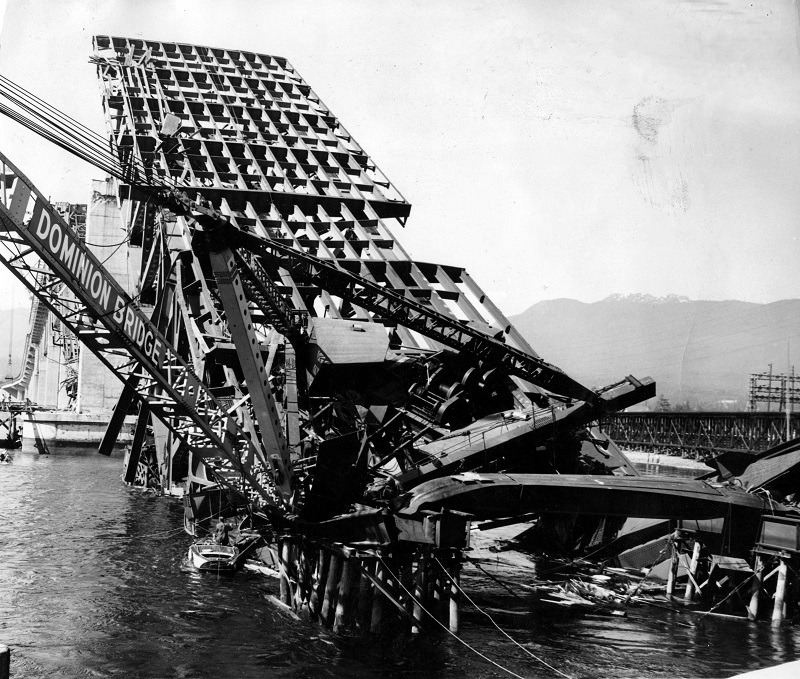
forty-five feet above the inlet, with harnesses hoisted above their heads like angel wings, men in hard hats click-clack-clammered steel beams into pillars of stone. they were building an artery, opening new avenues of expansion into the dark, forested heart of the opposite shoreline, and they would die for it. watching the incident from below, the colossi cranes resembled the pudgy forearms of a giant baby, toppling a tower of blocks with a gurgle of joy as toy soldiers crashed into the waters below.
an engineer, now disgraced, hangs his head in shame, nodding to the rhythm of the gavel. the support beam should have held, your honour. it should have, but it didn’t. a fraction off on the math and there went the bodies, one, two, three, falling like ospreys into the blue bath of concrete, but these men did not return to the surface grinning with sunfish in their beaks, they were driven into the riverbed like nails, entombed in the materials of their labour.
but we wiped our tears, and the artery was completed. civilizations have lost more for less, said the news anchor, but when the bridge went bang a year later, the conversation took on a less ambivalent tone. to destroy such a valuable piece of infrastructure, the news anchor said, red in the face, one that men gave their lives for, no less, why, it’s unthinkable! but kids will be kids, and dynamite is so easy; it feels like gold in their hands.