Well, here it is. Things are a bit different this year. Not only is there not a single metalcore record on this list (gasp!), but I have also cut the entries down to 20 albums because, honestly, I just didn’t listen to as much new music in 2025 as I did prior. But that isn’t such a bad thing. I kind of fell into a bad habit of seeking new music purely to write about it; I would binge an album, review it, then discard it like Andy tossing of Woody under the bed, and it wasn’t healthy (it resulted in some badly written reviews also, imo). Over the past few months I’ve kind of just been replaying comfort albums and exploring a bit of jazz, and it’s been great.
But enough about me, here are my favourite albums of 2025:
Man, this album was such a pleasant surprise. P.S. Eliot, Swearin’, and Waxahatchee have all been instrumental companions to various moments of my youth and adulthood, so to see the Crutchfield sisters get back together made me ecstatic. Snocaps seamlessly builds off of the individual strengths that both sisters have developed over the past 20 odd years and emerges as a triumphant homecoming affair that is only further bolstered by the addition of MJ Lenderman and producer/multi-instrumentalist Brad Cook to round out the lineup. The chemistry between these four musicians feels as natural as sweet corn and sunshine, but this is very much a Crutchfield sisters album, combining Katie’s Americana imprint with Allison’s proclivity toward punk and indie pop, and with their voices harmonized, the result is a perfect cocktail.
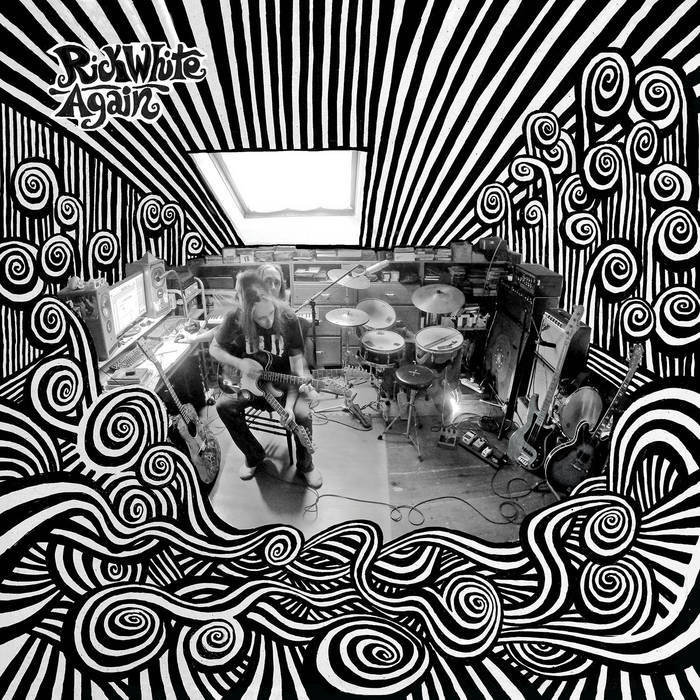
Rick White shouldn’t need much of an introduction, but even 90s indie heads who hold Love Tara in high esteem may be unaware that Rick White never stopped writing and recording music after Eric’s Trip bit the dust. His bandcamp page is currently sitting at a staggering 59 releases, including full-lengths from his various bands and solo projects, archival demos, and even cover albums of golden hits from each decade ranging from the 50s to the 90s. His prolific output may very well be a contributing factor to his continued obscurity, for one look at his discography would surely be enough to induce choice paralysis and a quick retreat for the uninitiated. He is CanCon’s best-kept secret, perhaps by design. So where do you start?
“In came a boy with mid-length greasy hair, he had lots of songs that he wanted to share.”
And so he did. Through a stoned haze of squelching guitars and distorted synths, Rick White introduces himself with a parable of being attacked by a misanthropic bird named Roger. Roger hates the way that humans stare at him so unfriendly, so he decides to attack the boy. A barrage of panicked limbs erupts, and Roger is knocked to the ground, stunned with the taste of greasy hair in his mouth. It’s hard to tell who the narrator actually is in this story.
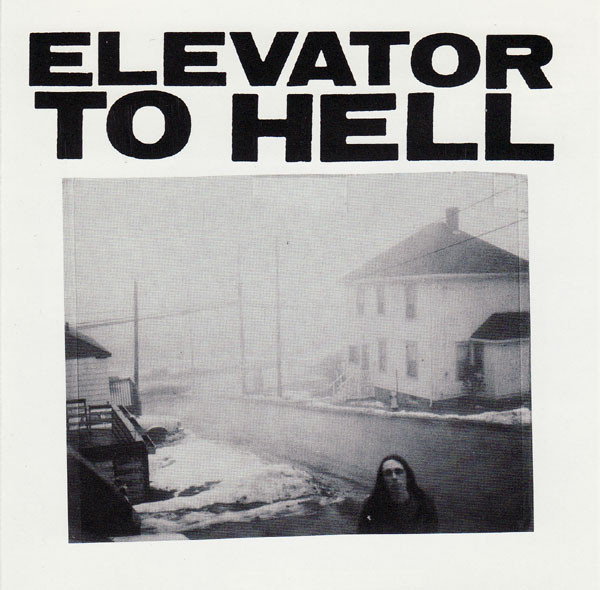
1993 was a big year for Rick White. With nothing more than a couple demo tapes under their belt, his band Eric’s Trip became the first group of Canadians to sign a record deal with Sub Pop, and their debut album was released to critical acclaim, but his personal life was a mess. Love Tara (somewhat humorously named after his new girlfriend, who would play bass for Elevator) was a concept album/musical therapy session dedicated to the break up of his relationship with fellow bandmate and collaborator Julie Doiron. It was a superbly intimate record—equal parts sad and awkward—but it was surprisingly mature for a couple of twenty year old’s to hash things out like that for the world to hear, and the people loved it. Despite the bands sudden success, and the fact that he and Julie managed to stay cordial enough to tour and release two more albums together, it’s safe to say that Rick needed a secondary outlet to express himself. Thus, in 1994, Elevator To Hell was born.
Parts 1-3 plays out like a collage of hazy, drug induced scrap book musings. It’s a compilation of twenty-seven lo-fi and experimental pop, rock and folk songs that were all recorded straight to cassette on the day of their inception, without much of a second thought, and with whatever instruments that Rick could find laying about in his smoke filled bedroom. Rick’s propensity for capturing a moment and translating it to song makes being a musician look easy. He doesn’t need to spend days meticulously crafting a bridge or pre-chorus when hooks and harmonies flow out of him like water, and so he wrote and recorded to his heart’s content. His stories are simple, and brought to life by a rotating cast of drums, bass, electric or acoustic guitar, and synthesizers—all of which are cycled in and out on a whim. The only real sense of cohesion holding this collection of songs together is their eclectic charm, but that’s a huge part of the appeal. It’s a mixed bag of styles and volumes that is sometimes sweet, sometimes spooky, sometimes quiet, and sometimes so loud that every input on the tape recorder must have been clipping and peaking to god knows where (warning: listening to “Boots” may induce bleeding of the ears).
All these pot smoke allegories are not baseless, by the way. Rick states quite plainly on second track “Why I Didn’t Like August 93” that he has a problem with girls, and with drugs, and implies throughout the album that these obsessions are simply fuel for his own self destruction. This problem becomes quite apparent and tangible to our ears over the hour that we spend listening to him fawn and reflect. Catchy love songs like “Three More Weeks” and “Made For You” are contrasted by the totally bizarre percussion soundscape of “Mercyful Fate” (named after, but not sonically inspired by the heavy metal band from Denmark), or the off kilter synth pop of “Killing Myself” and “Train From You”, amongst plenty of other head scratchers. Rick might be playing pinball with his genre exploration, but these songs are held together by a peculiar sense of melody and loneliness. During seventh track “Typical, Boy Loses Girl”, Rick asks why he even bothers writing these songs, and begs to escape from himself altogether. There’s always a hint of hyperbole and dramatization in music, but he was clearly going through it while writing these songs, and I’m just glad that he was able to continue pursuing art and funnel that turmoil into creation.
Not only has Rick White released a gargantuan library of music since this came out in 1996 (his bandcamp page is currently sitting at fifty-three releases, which doesn’t even include everything), but the landscape of music itself has come a long way since lo-fidelity tape recordings infiltrated the subculture markets of the 90s. This album definitely shows it’s age with it’s DIY sound and approach, and it probably wont attract many new ears outside of avid Eric’s Trip fans or CanCon historians, but Parts 1-3 is a special time capsule of ideas that really deserves to be uncovered. It’s the type of album that could only ever be made by a sad twenty-somethings stoner living in Moncton, New Brunswick in the 90s, and that’s why I love it. Rick White proved that you don’t need expensive equipment, or even a band, to create compelling stories, and that continues to inspire me to this day. A catchy hum along tune and a unique voice is all you really need. Oh, and maybe a side of psychoactive substances. Just don’t turn into Roger.