
🌕🌕🌕🌕🌑
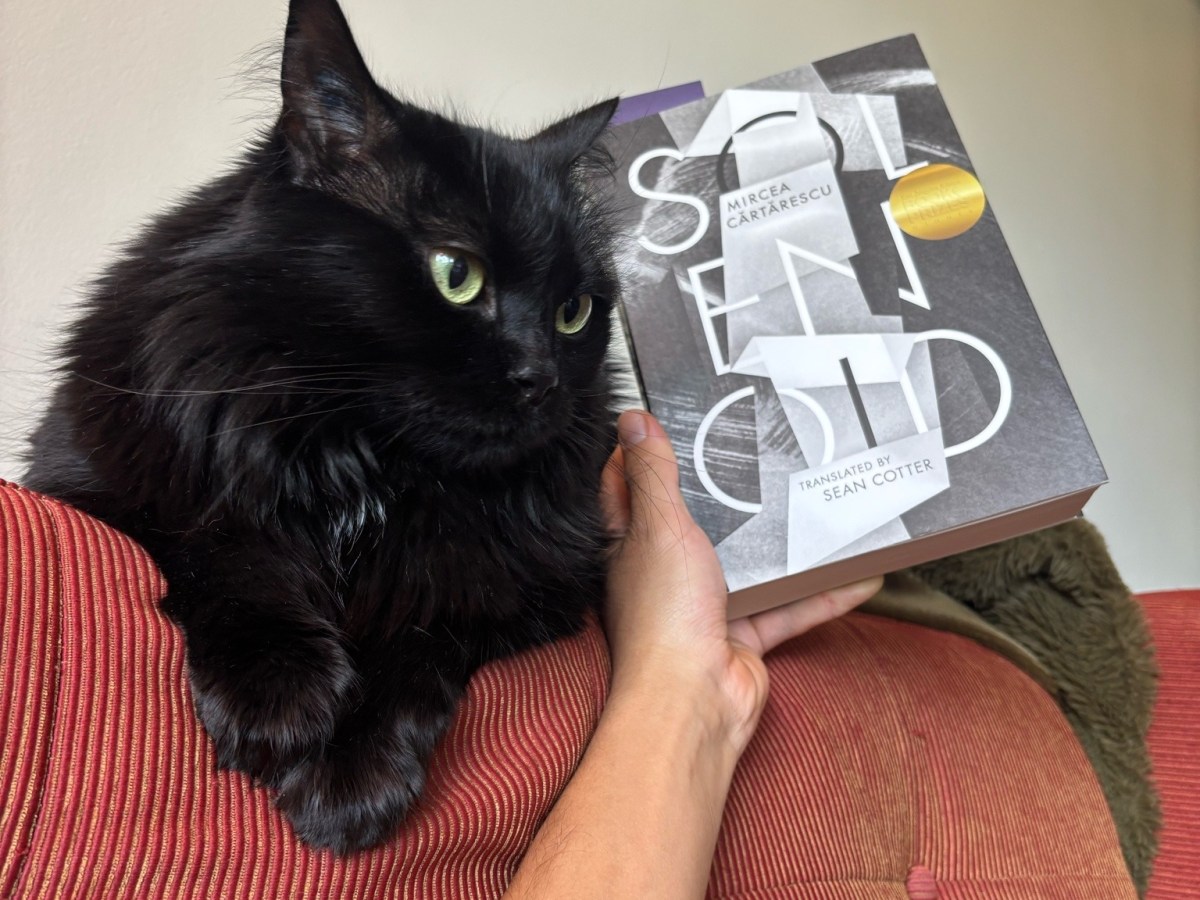
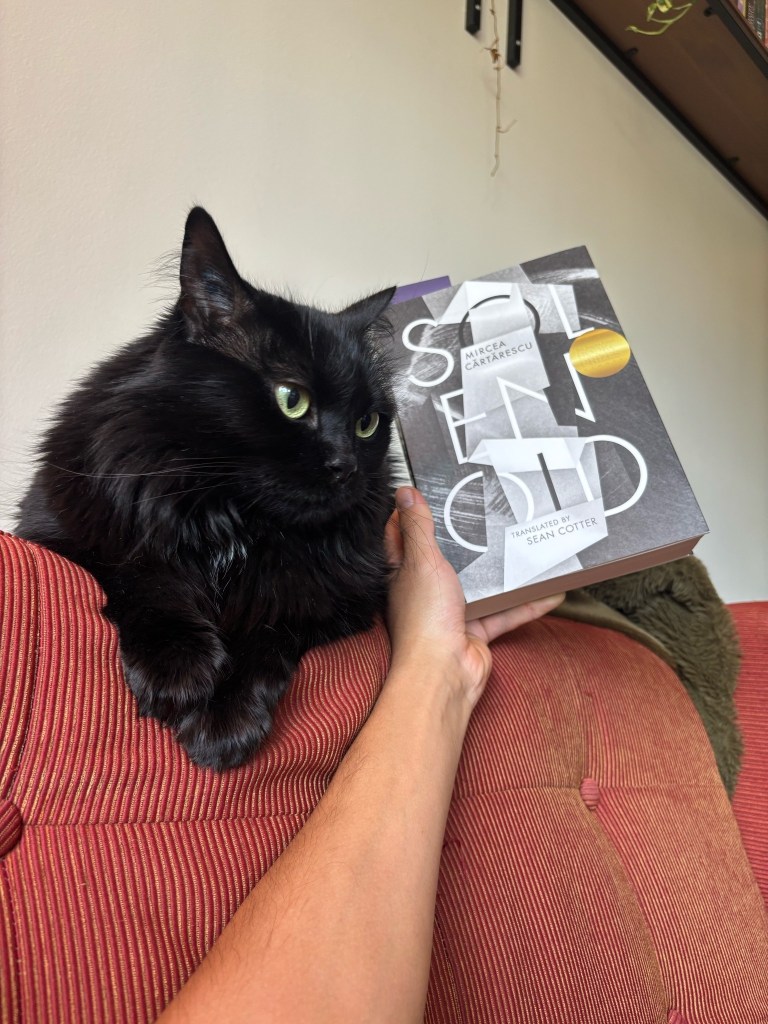
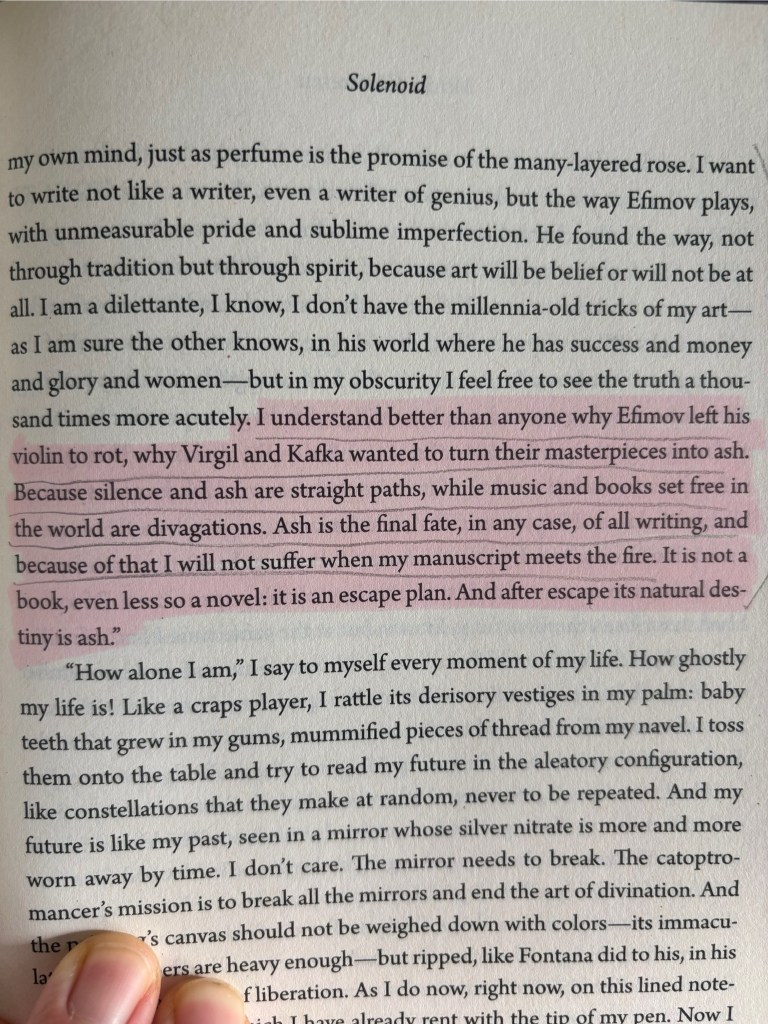
Solenoid may be touted as a labyrinthine tome, but it is by no means a difficult read. It is a 672-page treatise on the horror of existence and the cryptographic symbols that guide our fate, but Sean Cotter’s translation is beautiful; the prose flows like melted butter; Cărtărescu leads us from thought to thought in our narrator’s miserable life with a smooth and measured pace that is always easy to follow. Even when I took a week or two off from reading this book, I found myself quickly swept away by its crystalline stream of language and lulled into its opiate warmth.
Solenoid’s ease of access is part of what makes it such a captivating work, though; it creates a cool dichotomy between the subject matter (which is often grotesque and constantly working to destabilize our reality) and the serene language that is used to describe it. The decomposing, war-torn city of Bucharest is alive and animated by a Lovecraftian horror beyond our comprehension, but it is like in a dream, where we waltz through the murmuring organs of a supranatural deity without suspicion, as if life has always been this way. The city feeds on the fear of its inhabitants through a system of underground pipes and tunnels, but the air is quiet, the water is still, and our reflection stares back at us, shell-shocked, like an alien from another plane of existence, equally disturbed to see us as we are to see them.
The story itself is largely plotless, following a failed writer as he meanders through his cratered city, the infinite rooms of his boat-shaped house, the dilapidated school where he works with monstrous children, and the chambers of his own mind in an attempt to cope with the reality of his life, and I’ll be honest, there were some parts that dragged a bit too much for my liking. I didn’t love reading through his dream journals for the same reason I don’t love listening to people recount their dreams in real life, but the intrigue picked up in part three, and I found part four concluded the novel in a surprisingly powerful and life-affirming way. I was GLUED to those last fifty pages.
My favourite aspect of the book, however, is how much it completely surrenders itself to pure fantasy. Our narrator makes absolutely no delineation between reality and his imagination, and whether he truly lives in an alien world or is just suffering from escapist delusions is entirely up to the reader to decide. As a fledgling writer, I found this very inspiring, like it gave me permission to allow my perceptions to become reality and concrete evidence that it could work. I could actually see this novel appealing heavily to fans of genre fiction. Even the narrator mentions how instrumental science fantasy magazines were to his development, and it felt like Cărtărescu was drawing a direct line from Virgil to Dante to Kafka to Borges to the likes of Gene Wolfe, so it is no surprise that it appealed so much to me.
But should you read Solenoid? It depends on how important plot, character dynamics, and realism are to you. If you want to swim around in a primordial stew of alien symbology and existential musings for almost 700 pages as some schizophrenic weirdo tries to sort out his life, I’d say it’s worth it. If that doesn’t sound like a good time to you, I don’t blame you.