Why 11? Well, I had my top 10 established but then I realized how unfair it would be to not include Miss MacIntosh in the stack just because my completion of it missed the deadline by a few days. After reading 1000 pages of it in December I think I have the right to claim it as one of my favourites of the year, and time is fake anyway, so I’m putting it in the damn pile.
This year has been huge for me in terms of broadening my horizons. I started my reading journey not too long ago as a pure sci-fi reader, but then I read Gene Wolfe at the start of the year and he really opened the floodgates of literary fiction for me. Then I read stuff like Vollmann and Bolaño and Rulfo and all bets were off, I quickly realized that genre conventions don’t matter to me half as much as the themes explored and the prose employed to get there, and all of a sudden an entire new world of literature opened before my eyes.
Without further ado, and in no particular order:

We by Yevgeny Zamyatin
GENRE: DYSTOPIAN SCI-FI
A psychological sci-fi thriller like no other. We takes place in a far future authoritarian state where the citizens have been walled off from the outside world and every hour of their day is mandated and scheduled by the glorious Benefactor and his bureaucracy. One day, our main character, D-503, has a sudden awakening that causes him to spiral as he questions everything he’s ever know about himself and his surroundings. One of my favourite things about this novel is how, as our protagonist spirals further out of control, the narrative itself (written as a series of journal entries) becomes more frenetic and disorganized, and it really makes you feel like you are in the head of someone who is dissociating from reality. An exciting read that really hits the nail on the head with its social and political critiques.
Full review / Goodreads
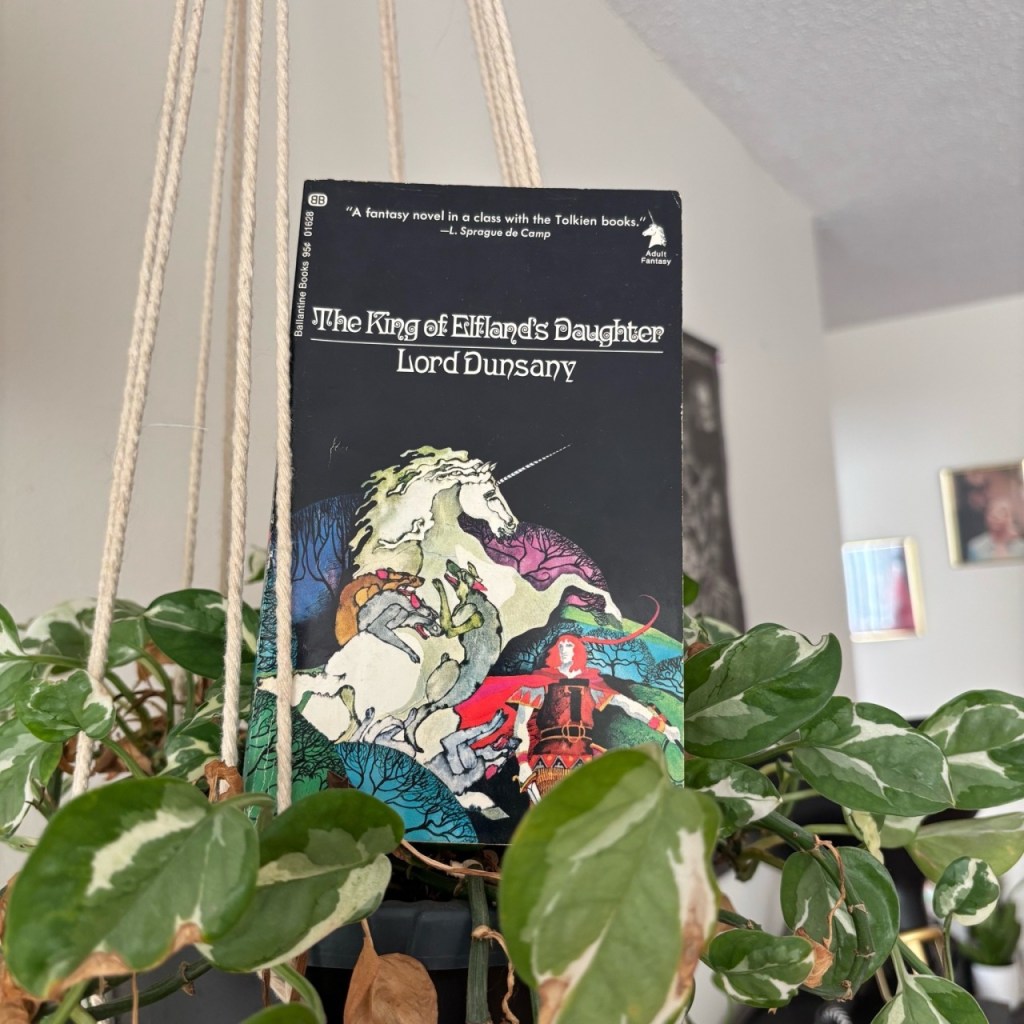
The King of Elfland’s Daughter by Lord Dunsany
GENRE: PRE-TOLKIEN FANTASY
I don’t read a lot fantasy, mostly because I despise how tropey most it tends to be (especially modern stuff), but this one slipped through the cracks due to its literary acclaim, and boy am I glad I read it. The story is very simple; it’s inspired by Irish myth and fairytales after all, and it tries to evoke that same sense of whimsy and colourful magic, but there are some seriously mature themes going on here that give the core of the story such a powerful presence. Lord Dunsany’s prose is also tastefully old fashioned and extremely lyrical and it was just such a sweet reading experience. Can’t recommend it enough.
Full review / Goodreads
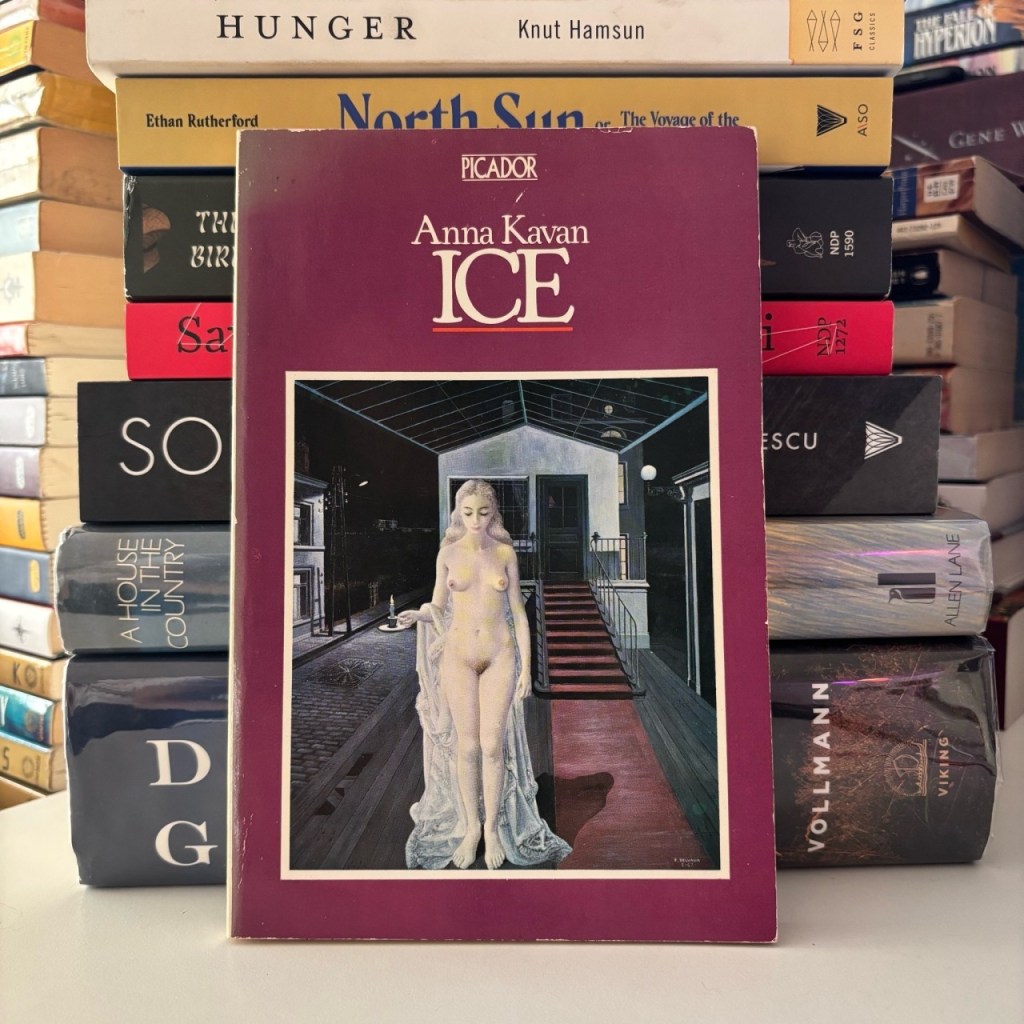
Ice by Anna Kavan
GENRE: SLIPSTREAM / LITERARY SCI-FI
Probably the single most surprising read of the year. I had a feeling this one was going to be good, but I didn’t know I was sitting on a live literary grenade. Anna Kavan’s sentences are short and blunt, but she somehow manages to create this world of abstract shadowy intrigue that grabs you by the collar and doesn’t let go until the very end. It’s a slipstream sci-fi novel about impending doom, addiction, and lust for control that is oozing in style and atmosphere.
Full review / Goodreads
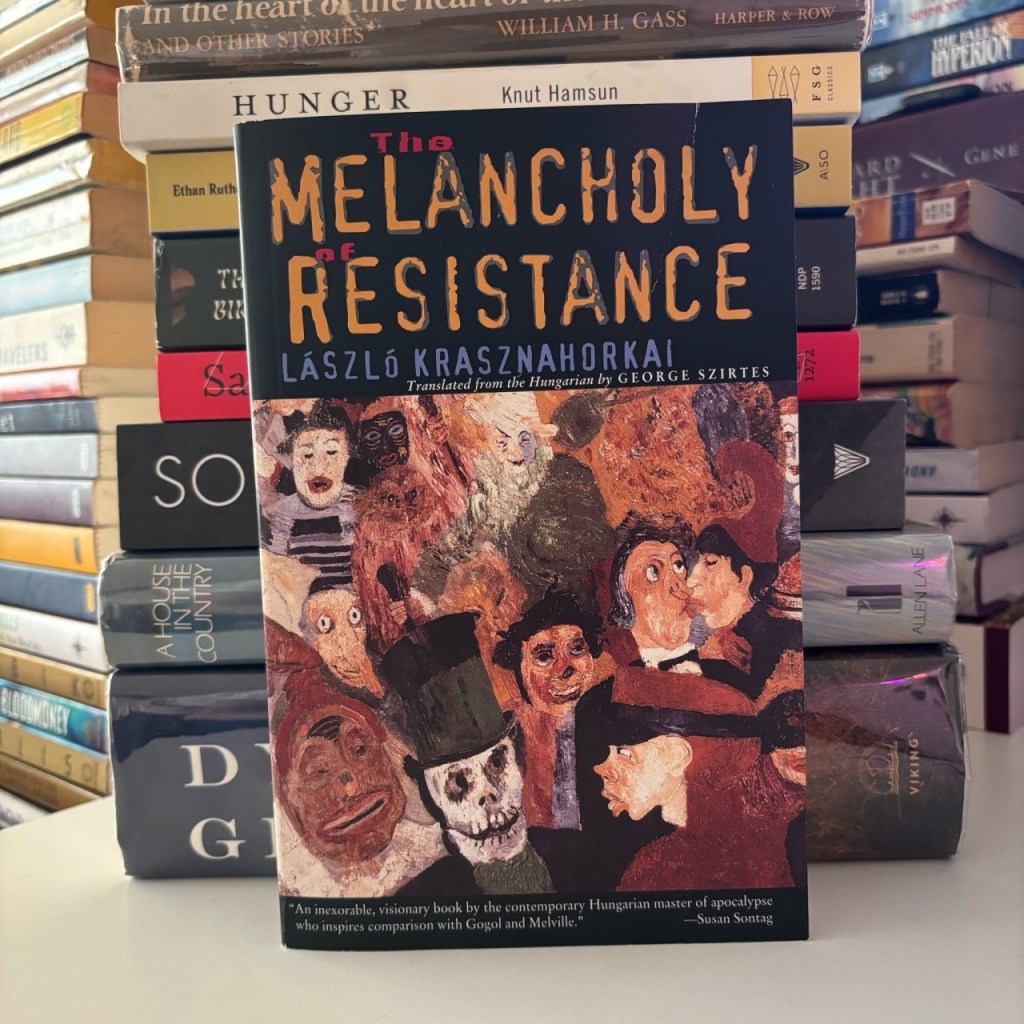
The Melancholy of Resistance by László Krasznahorkai
GENRE: PHILOSOPHICAL LIT-FIC
Everything people say about this novel is true. Yes, the prose is incredibly dense, yes, there are no paragraph breaks, yes, Krasznahorkai’s stream of philosophical musings can be hard to grasp at times, but it also has a way of drawing you in and pulling you along. It has a hypnotic rhythm to it that makes you just want to keep on reading at all costs. It is difficult at times, but the narrative is intoxicating and Krasznahorkai’s characters come to life in immense detail because of the close attention and heart he pours into them, and the tribulations he puts them through just hit so close to home. An absolute master of his craft.
Full review / Goodreads
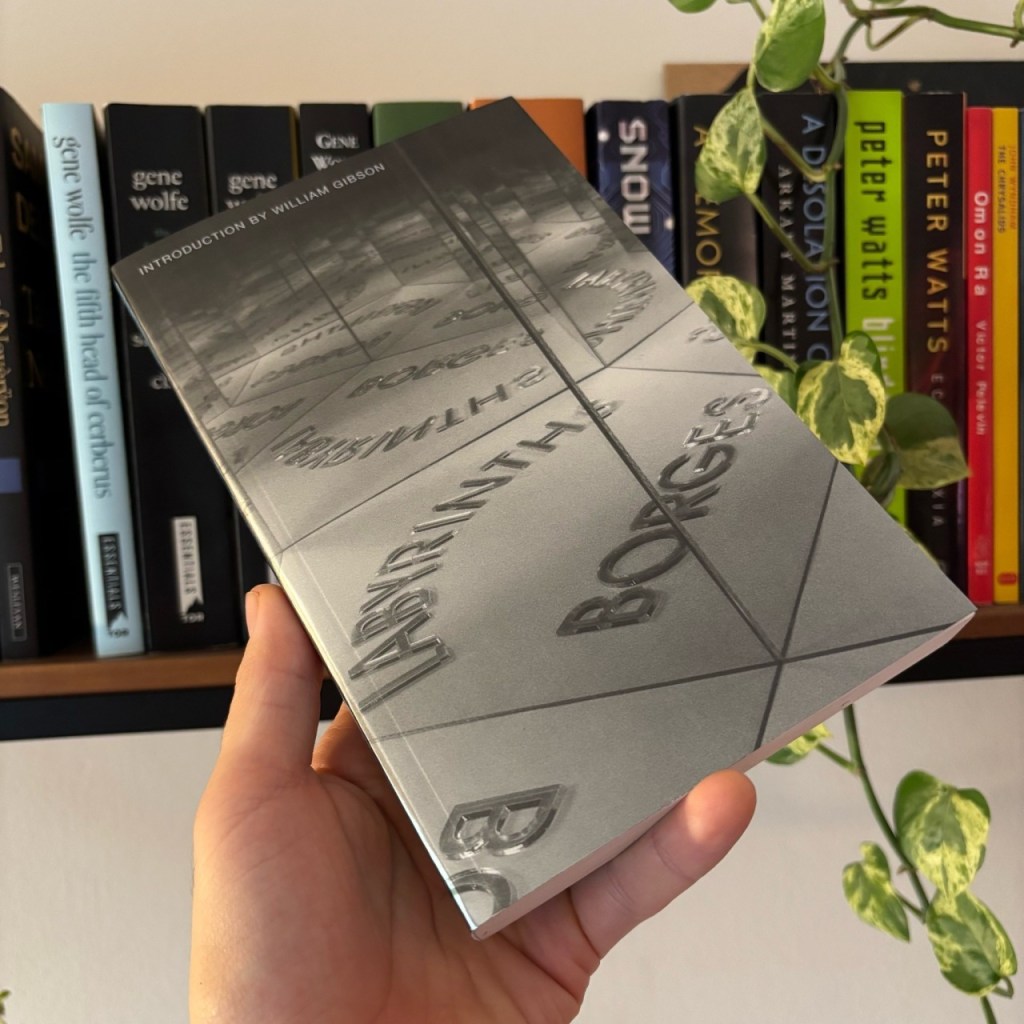
Labyrinths by Jorge Luis Borges
GENRE: METAPHYSICAL FICTION, SHORT STORIES
The man, the myth, the legend, the master of metaphysical fiction and one of Gene Wolfe’s biggest influences: Borges. The density of ideas in this book is just insane, and it definitely humbled my intelligence on more than one occasion. Borges had an encyclopedic knowledge of history and philosophy and metaphysics and he used all of his knowledge to craft these highly complex, referential and borderline academic thought experiments that, despite being difficult to grasp at times, never lost their sense of wonder and fantasty. Out of all the books on this list, this is one I am perhaps the most excited to reread again and again. Pick it up if you feel like giving your brain a work out.
Full review / Goodreads
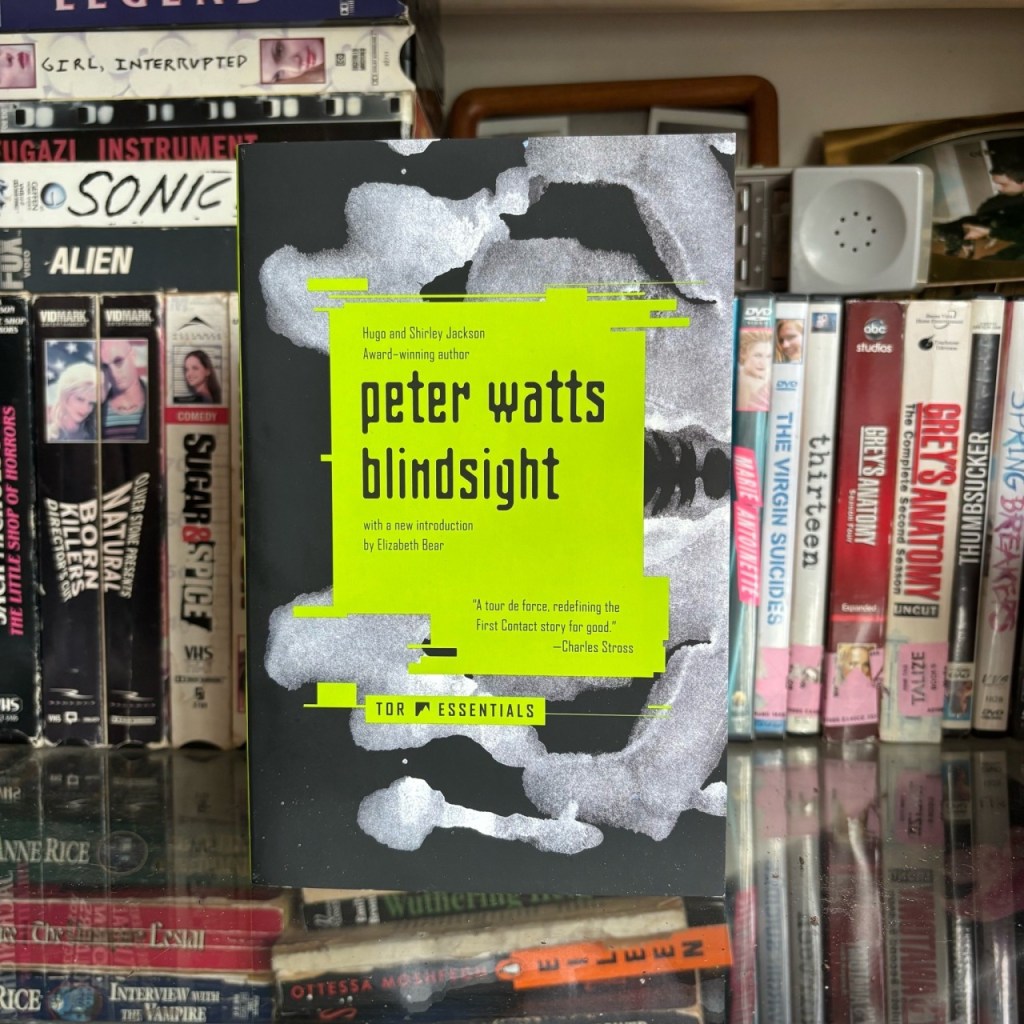
Blindsight by Peter Watts
GENRE: HARD SCI-FI
One of the big boys of “capital H” hard science fiction. I was intimidated to read this one at first, and rightfully so. Blindsight is a challenging read, but maybe not for the reason you expect. It does indeed boast some lofty concepts about intelligence and consciousness, but the most confusing part of this novel is just figuring out what the fuck is going on on a physical level and trying to find a sense of direction in the ship’s environment. It’s very spatially disorienting. Peter Watts does not hold your hand. He barely even offers so much as a zoomed out view to give easily digestible context, but somehow it all works to enhance the claustrophobic atmosphere of being trapped in deep space with a psychopathic vampire and unknowable aliens. Great work, Watts.
Full review / Goodreads
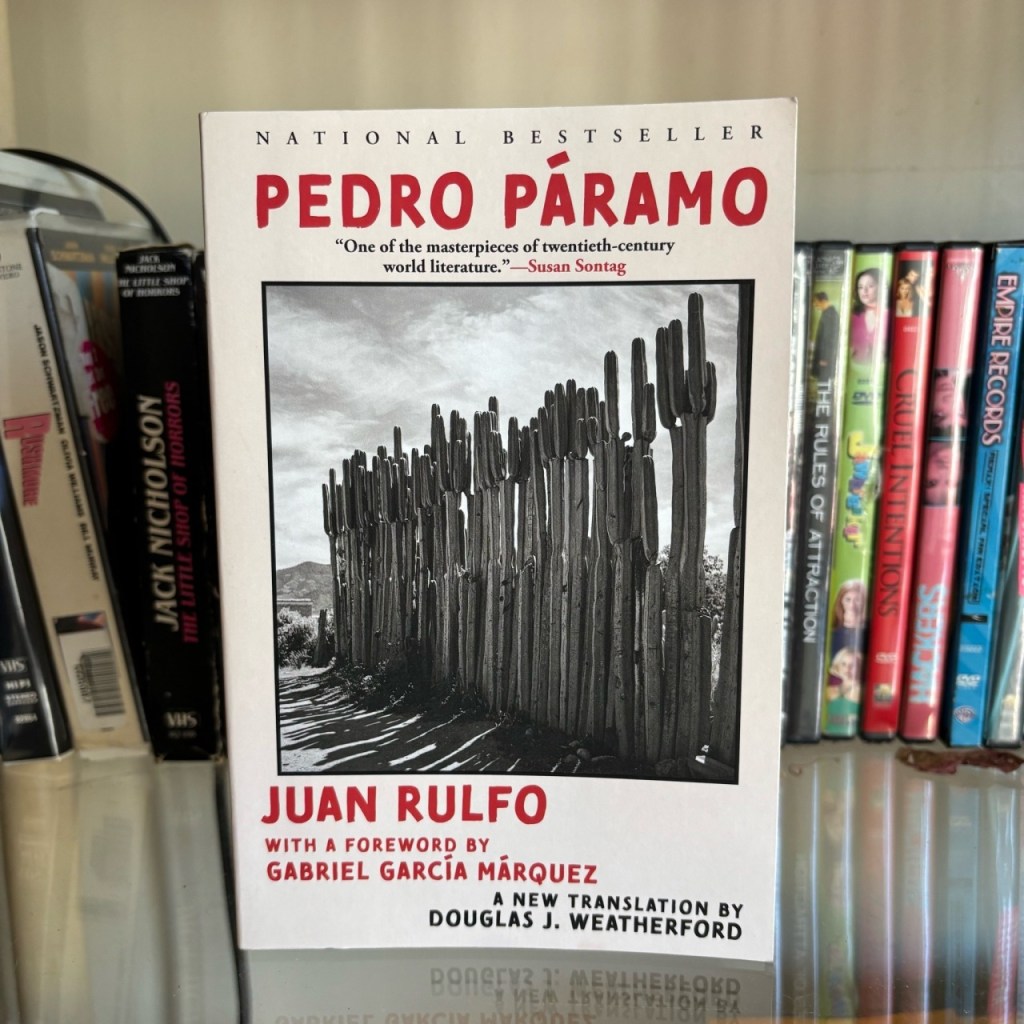
Pedro Páramo by Juan Rulfo
GENRE: EXPERIMENTAL FICTION
One of the first books that really inspired me to step further out of my comfort zone. This book is an absolute trip. Pedro Páramo begins as a story about a guy returning to his hometown in search of his deadbeat father, but once he gets there, the story quickly stops being about him as he finds himself in a town of ruin where the voices of the dead dominate the streets. Reality splits in two, the memories of all these voices begin to replay out of order, and it gets really confusing to figure out exactly what’s going on, who’s talking, and whether any of the voices are alive or dead. Ultimately, these voices all converge to portray a story of corruption and grief after the Mexican Revolution. At just over 120 pages, picking this up should be a no-brainer.
Full review / Goodreads
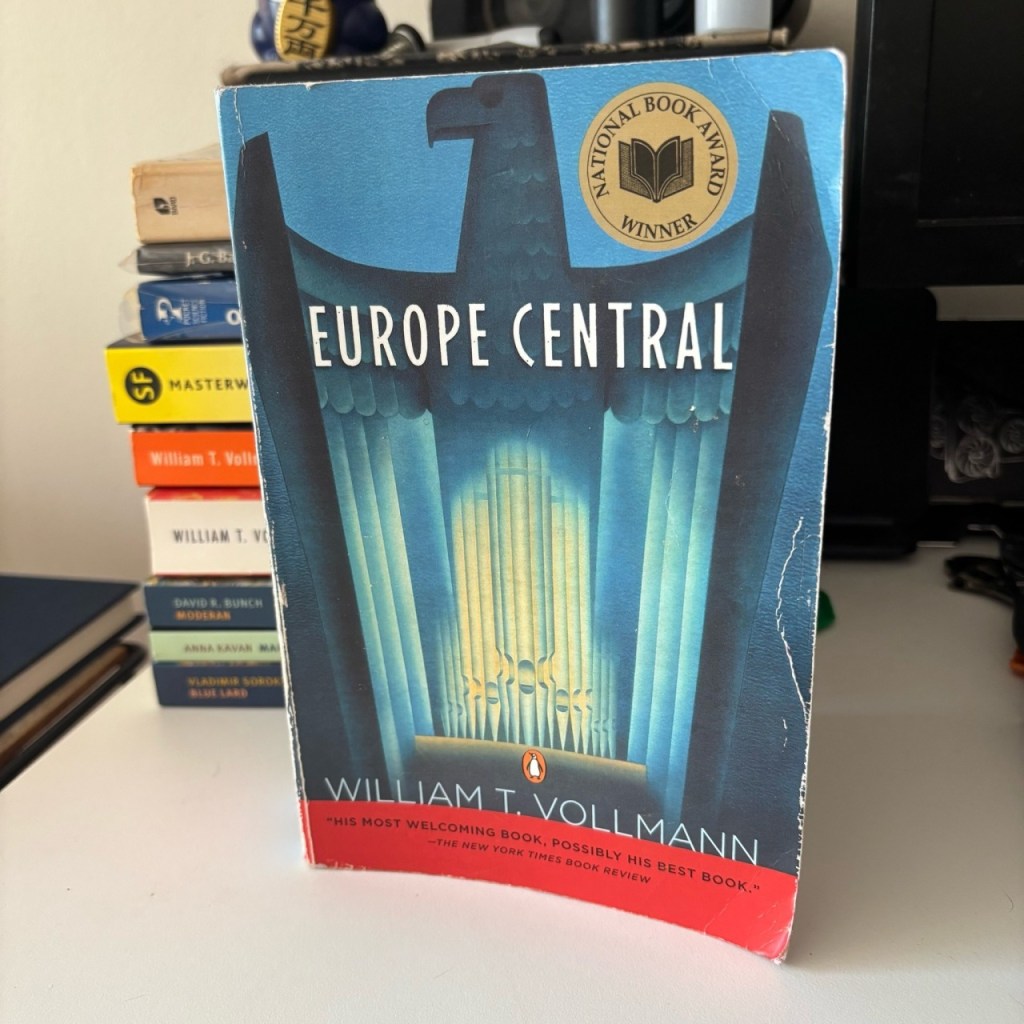
Europe Central by William T. Vollmann
GENRE: HISTORICAL FICTION
My first Vollmann, and also one of the greatest epics I’ve ever read. Europe Central is a historical fiction novel based in WWII, but it keeps its eye focused on the conflict between Germany and the USSR, with a specific angle on how the war between these two totalitarian regimes impacted art, culture, and the rest of humanity. Vollmann does a great job at dropping you into the shoes of different characters from both sides of the war without really telling you how you’re supposed to feel about them, rather, he tells it like it is and trusts the reader to draw their own conclusions, which I absolutely love. His prose and narrative style is also just so dark and engaging in this book. I went into this one afraid, not knowing if I’d even enjoy a historical fiction novel, but it ended up being such an addicting and stimulating read.
Full review / Goodreads
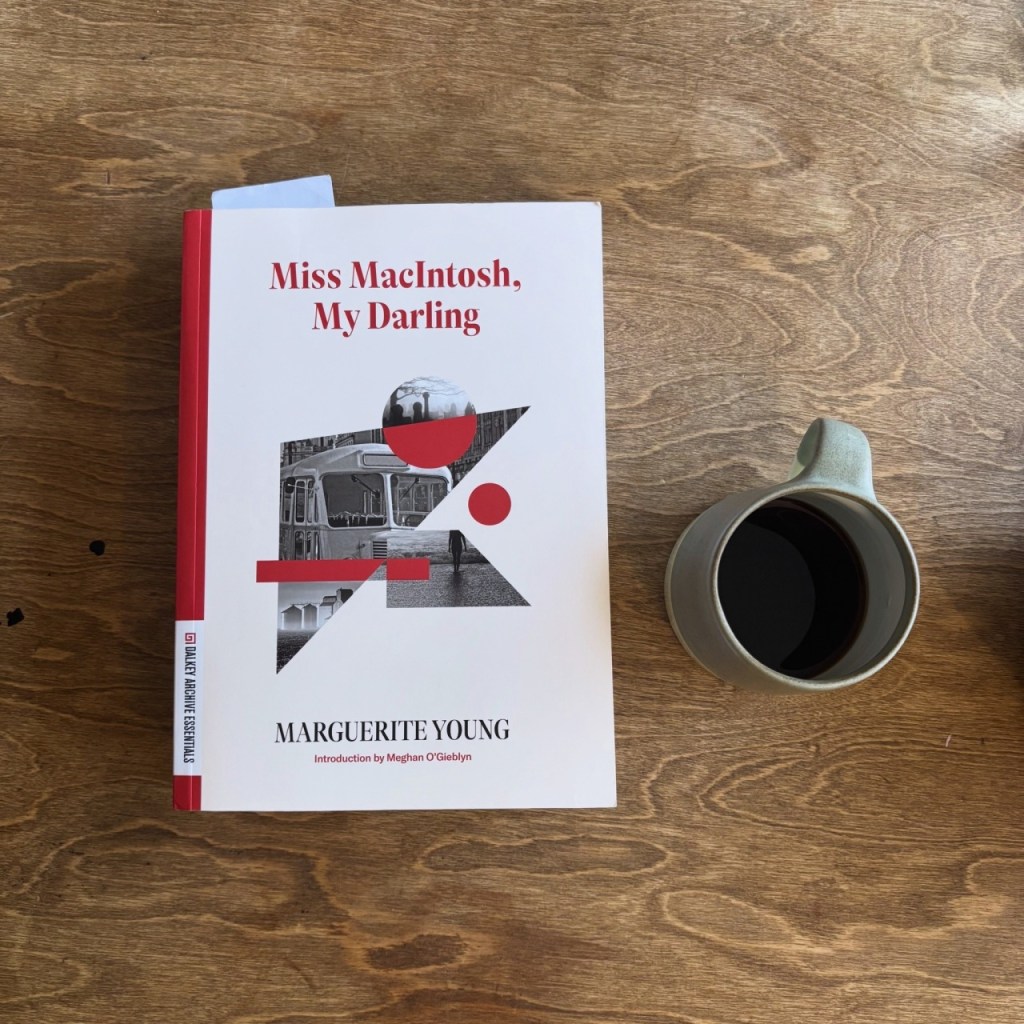
Miss MacIntosh, My Darling by Marguerite Young
GENRE: SOUL BENDING LIT-FIC ODYSSEY
One of the most incredible novels ever written, and perhaps one of the longest I’ll ever read. This book is exceedingly difficult to describe, but the best elevator pitch I can give it is this: Miss MacIntosh, My Darling, is an exploration of the interconnectedness between our collective consciousness and the patterns and systems of governance we create in the physical realm. But it doesn’t approach this grand expedition in a straight-forward way, instead, what you get is 1,321 pages of lyrical allusions, metaphors, and symbolism, all swirling around like particles and colliding into a kaleidoscope of oceans and seagulls and life and death and heaven and hell and destiny and fate and future and history and everything in between. I don’t know. You’ll have to read it yourself to make it make sense.
Full review / Goodreads
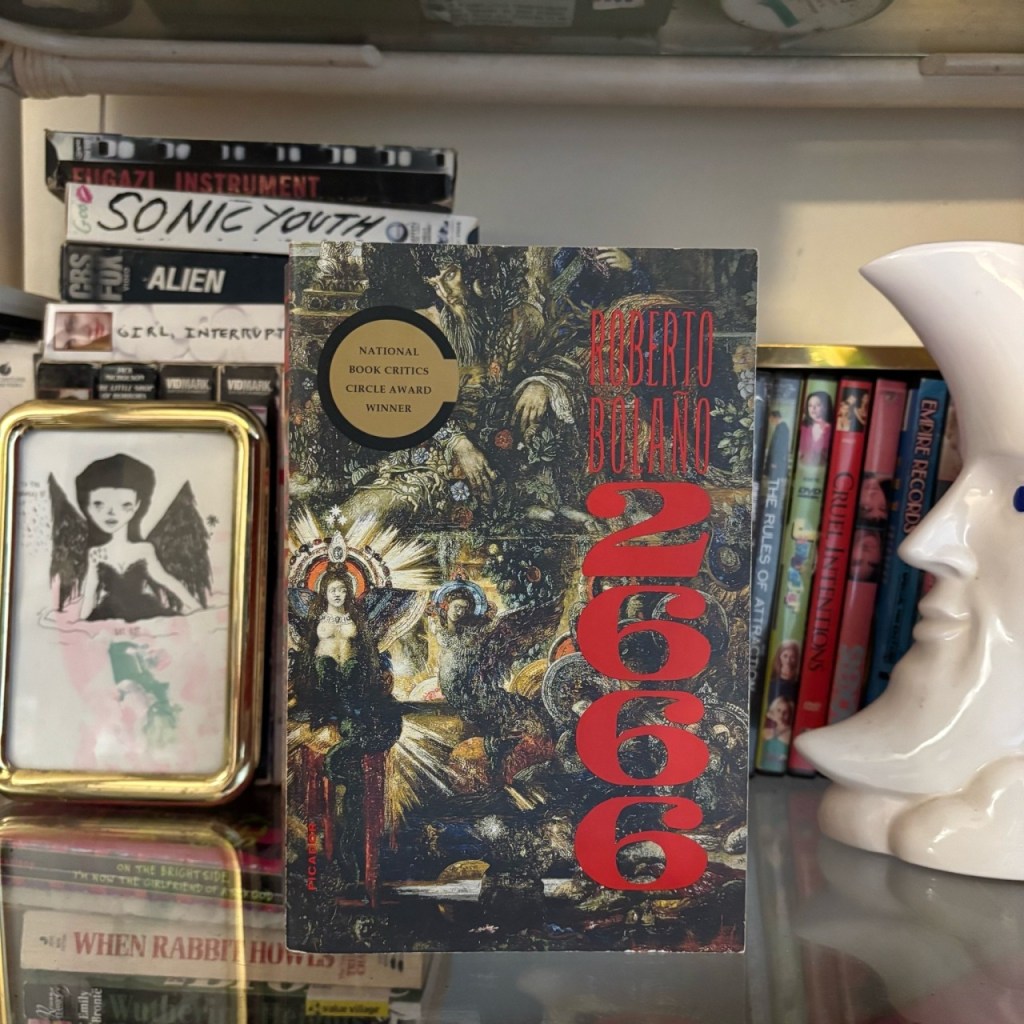
2666 by Roberto Bolaño
GENRE: DARK POSTMODERN FICTION
Much like Miss MacIntosh, My Darling, 2666 by Roberto Bolaño also seeks to explore this interconnectedness of consciousness and the physical realm, but it does so in a much darker, more violent, and less picturesque manner. 2666 does not fuck around, it does not sugar coat anything, it will shove the detritus of humanity in your face and rub it around until your eyes start bleeding. This was a difficult read, but so rewarding. The kind of book you want to toss across the room upon finishing but then find yourself thinking about for days, weeks, months later. The narrative is fragmented into five parts that seem disparate at first but the more you read, the more you start to see the common threads. This novel really will make you feel like a detective, although you may feel disappointed when you find out that there is, in fact, no order to be found in chaos, no sense to be made of violence. C’est la vie.
Full review / Goodreads
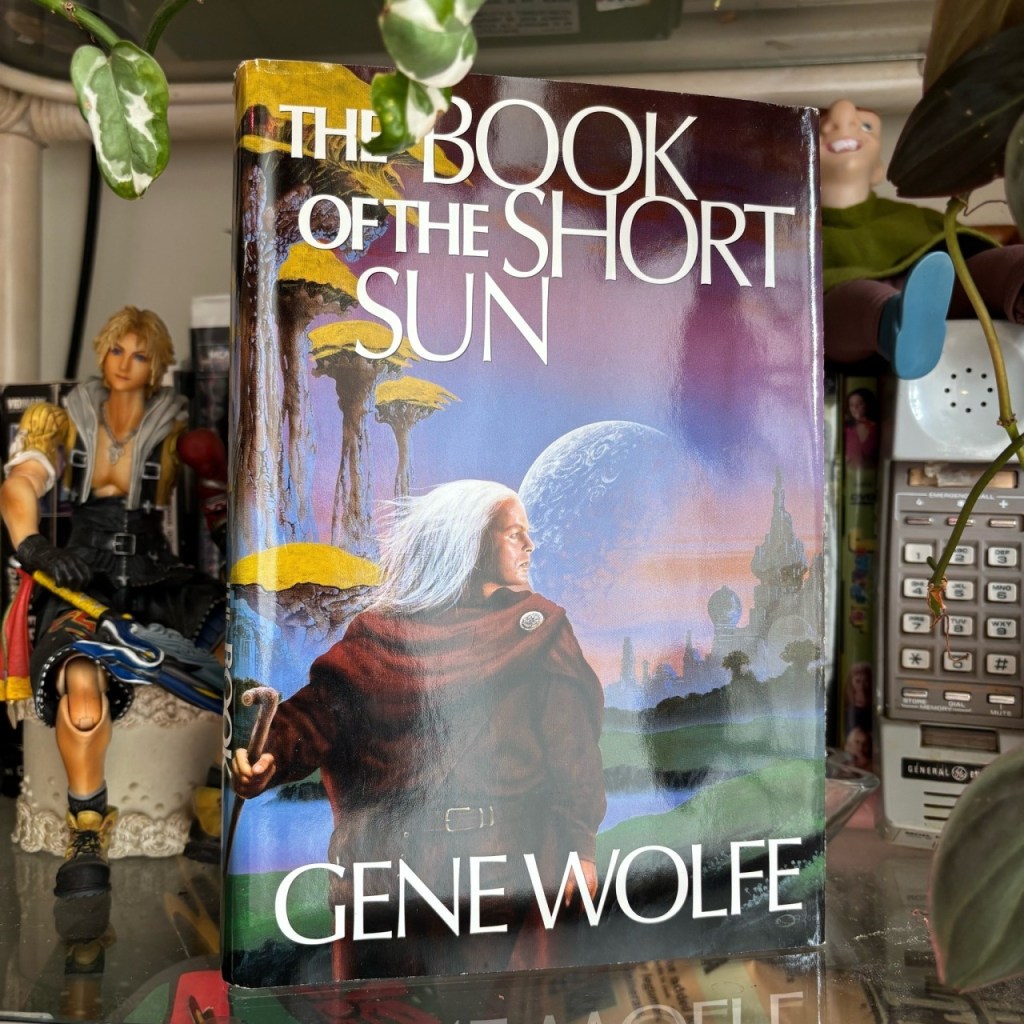
The Book of the Short Sun by Gene Wolfe
GENRE: POSTMODERN SCIENCE-FANTASY
The epic conclusion to Gene Wolfe’s Solar Cycle, and my number one read of the whole year. What can I say? This book combines everything I love about science fiction, fantasy, and literature at large. It is on one hand a picaresque Dying Earth novel, full of monsters and unsavory characters, and on the other hand it is a deep exploration of identity, personhood, memory, the soul, and morality, all wrapped up in this metafictional narrative that will have you questioning the nature of time and reality itself. The Book of the New Sun follows the misadventures of Horn as he tries to track down his old spiritual leader and loses himself (or does he?) in the process. I can’t say more. Absolutely worth completing the Solar Cycle for. Every time someone reads Book of the New Sun and stops there, and angel loses its wings.
Full review / Goodreads
Leave a Reply