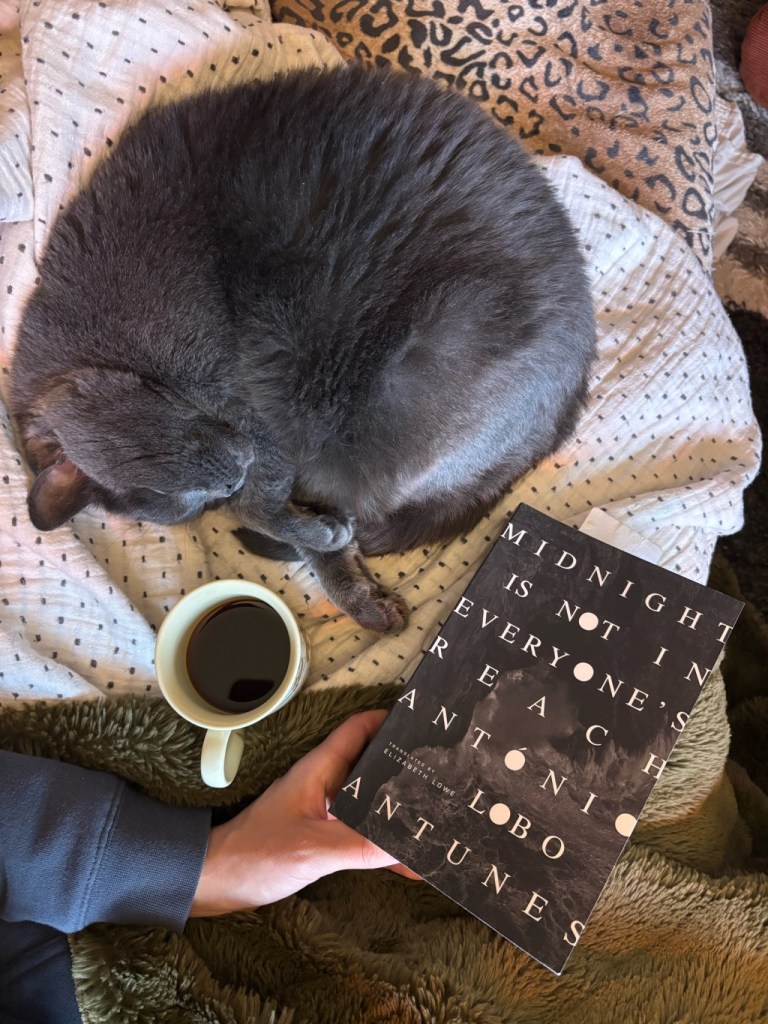
🌕🌕🌕🌖🌑
The best art is often times the art that challenges your perceptions and forces you to meet the artist halfway. In the realm of music I have often developed Stockholm syndrome in my attempts to grapple with perplexing styles, and through that effort I have turned many albums from ear antagonists into lifelong friends. The same can be said about books.
I say this because as much as I ended up loving Midnight Is Not In Everyone’s Reach upon completion, I cannot understate the challenge I faced in getting there.
The narrative form of this book is very experimental and surreal. It reads more like fragmented shards of poetry than a cogent story. In short, it is about a woman who returns to her childhood beach house to say goodbye to the ghosts of her family before following the path of her older brother who committed suicide, and just like the narrator in Juan Rulfo’s Pedro Paramo, she becomes consumed by lingering memories that interject and overlap, causing past and present conversations to weave themselves into a dizzying collage, and the novel quickly becomes less about a singular protagonist and more of an intimate portrait of familial trauma and grief.
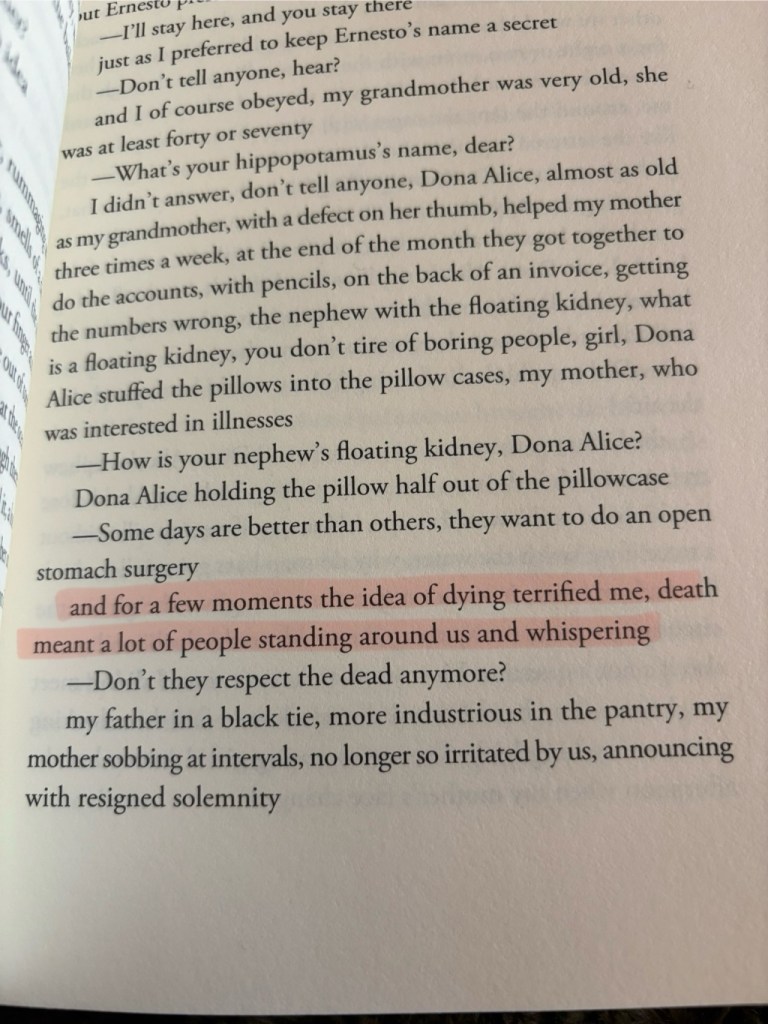
Sounds cool, I know, but this non-linearity of events becomes a deterrent, as if the form of the novel itself were a trauma response set in place to safeguard those memories from surfacing. Even on a sentence-by-sentence basis the words often assemble themselves in nonsensical strings of (perceived) non-meaning, which caused me to repeatedly question what this book could possibly tell me that was worth the effort of prying it open, but what kept me going through those moments of doubt was Antunes’s careful repetition of motifs to string together fragments of memory into distinct profiles of emotion and character. What appeared nonsensical and formless at first began to reveal its structure, like a free jazz ensemble, which is purposely obtuse but clearly the result of skilled musicianship and collective harmony—a beautiful thing in and of itself.
I’m still not convinced that this story couldn’t have been told in a better and more effective way, but I respect the hell out of Antunes for putting out a piece of art that doesn’t compromise the risks it takes in order to be easily digestible. In retrospect, Midnight Is Not In Everyone’s Reach is not the book I would have picked as my intro to his oeuvre, but it offers a singular experience that, despite its hurdles, I will remember and cherish forever.
Leave a Reply