
Category: book reviews

  • Book Review: La Medusa by Vanessa Place (2008)

    🌕🌕🌗🌑🌑

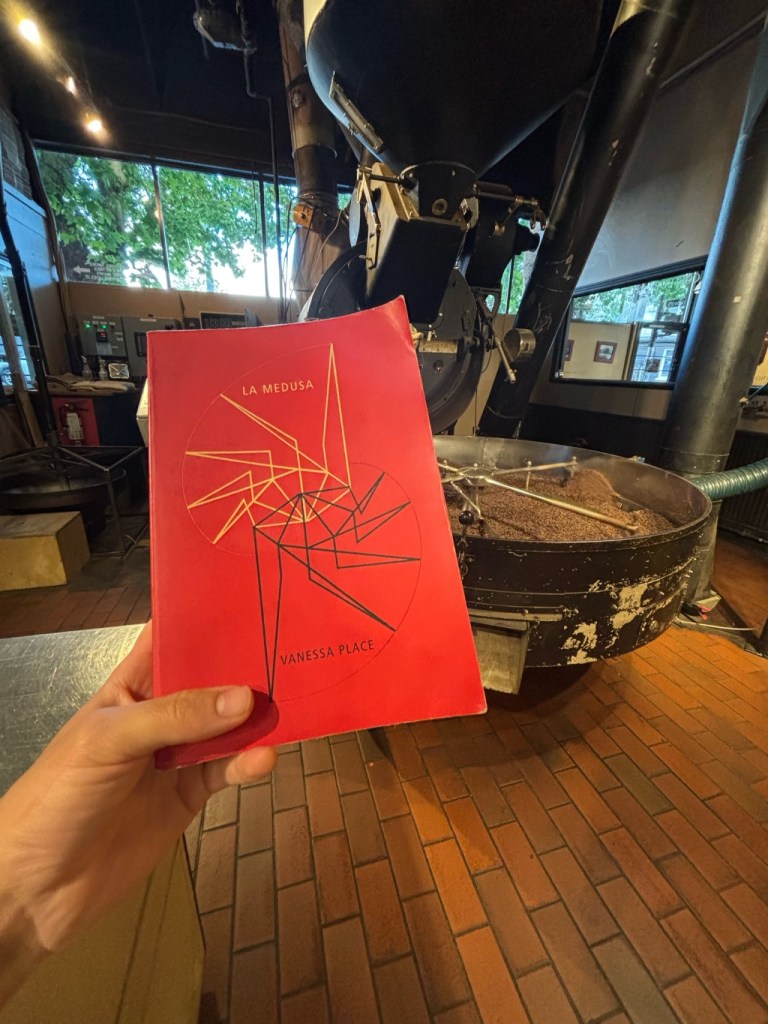
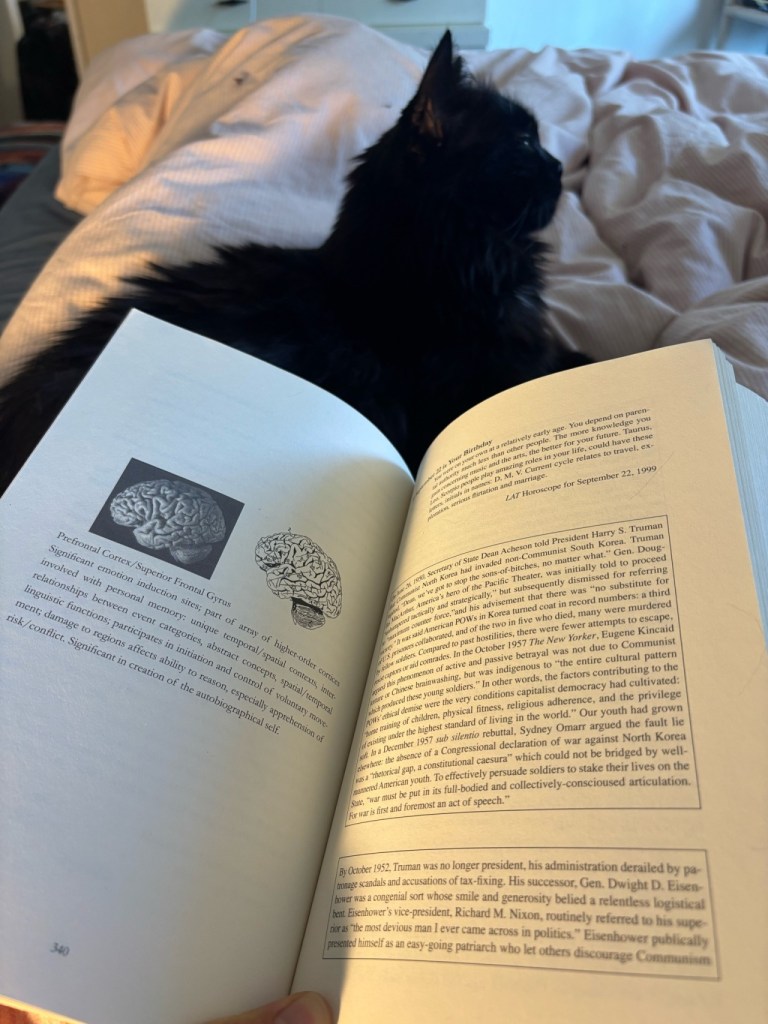
    I’ve never read a book before that so violently resists the reader. Trying to navigate the gauntlet of La Medusa felt like having knifes thrown at me from the page. I was constantly ducking and weaving, but mostly just getting stabbed in the cranium by long sections of gibberish, wacky text formatting, and a narrative that was rapidly shifting between perspectives and styles (at one point bouncing from a nine-page poem to a children’s fairytale to a slapstick screenplay starring Medusa and Saint Patrick) and splicing itself open at random to make way for History Channel facts and emergent voices from beyond the third and fourth walls. I quickly learned to roll with the punches and focus more on the hip-hop-influenced rhythm of the prose than the meaning of everything being said, but I think by doing so I only gave in to another one of the books many diversions. It ultimately doesn’t matter how entertaining the final frontier of postmodern linguistics is when you find yourself 150 pages into a novel and feel like you haven’t absorbed anything of meaningful value yet.

    (more…)
  • Book Review: The Emigrants by W. G. Sebald (1992)

    🌕🌕🌕🌕🌕

    I’m at a loss for words. How do you “review” a human life?

    There are a multitude of lives packed inside this book—stories within stories that have been swept under rugs, scattered amongst ephemera, crumpled in the back of desk drawers, scrawled in notebooks and journals, buried in the dust of architecture. Despite the novel’s focus on four individuals, each life becomes a window into a thousand more. Victims of war and genocide do not exist in a vacuum after all; their stories and their pain are passed down through generations.

    (more…)
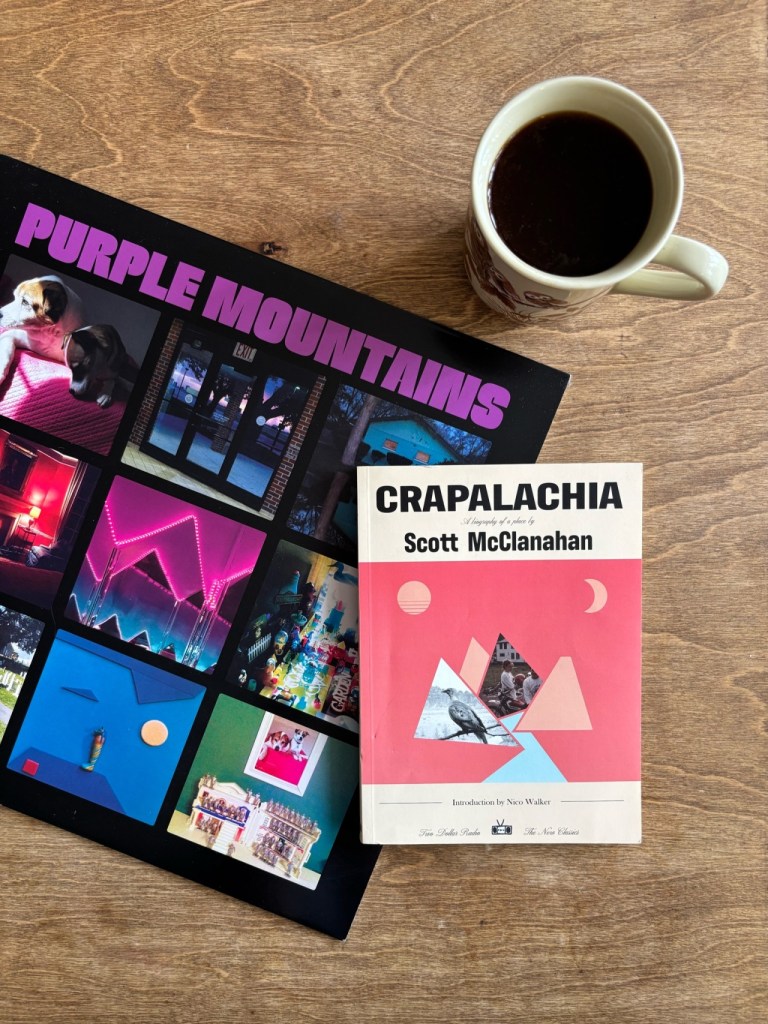
  • Book Review: Crapalachia by Scott McClanahan (2013)

    🌕🌕🌕🌕🌗

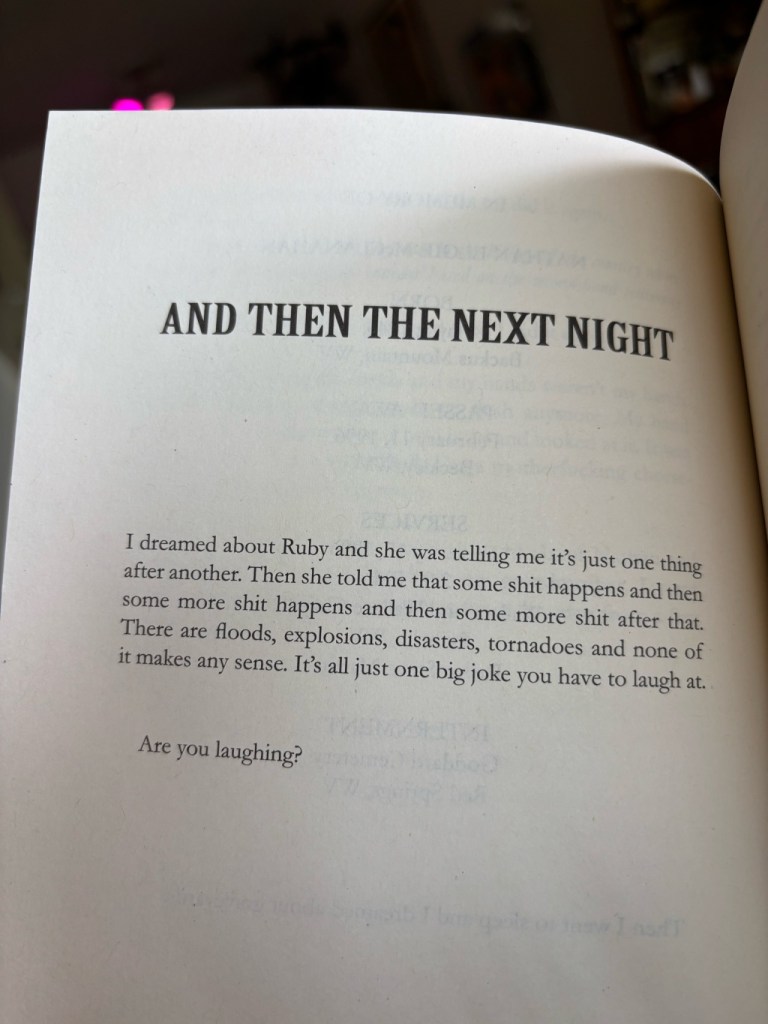
    VOICE is such an underrated aspect of writing. I think anyone can learn to write in a specific style or utilize specific vocabulary to great effect, but truly embodying one’s own voice through the page seems to be a rare gift reserved for poets and playwrights—those who utilize their arms and their lungs just as much as their brains. I only recently discovered McClanahan through a video of him reading a passage from his newest (and yet unreleased) novel, Fights!, but I was immediately hooked by his voice, by the confidence of his delivery, and by his ability to convey the intrinsic humour of humanity with the tender precision of a spitball blown through a straw.

    (more…)
  • Book Review: A Shining by Jon Fosse (2023)

    🌕🌕🌕🌗🌑

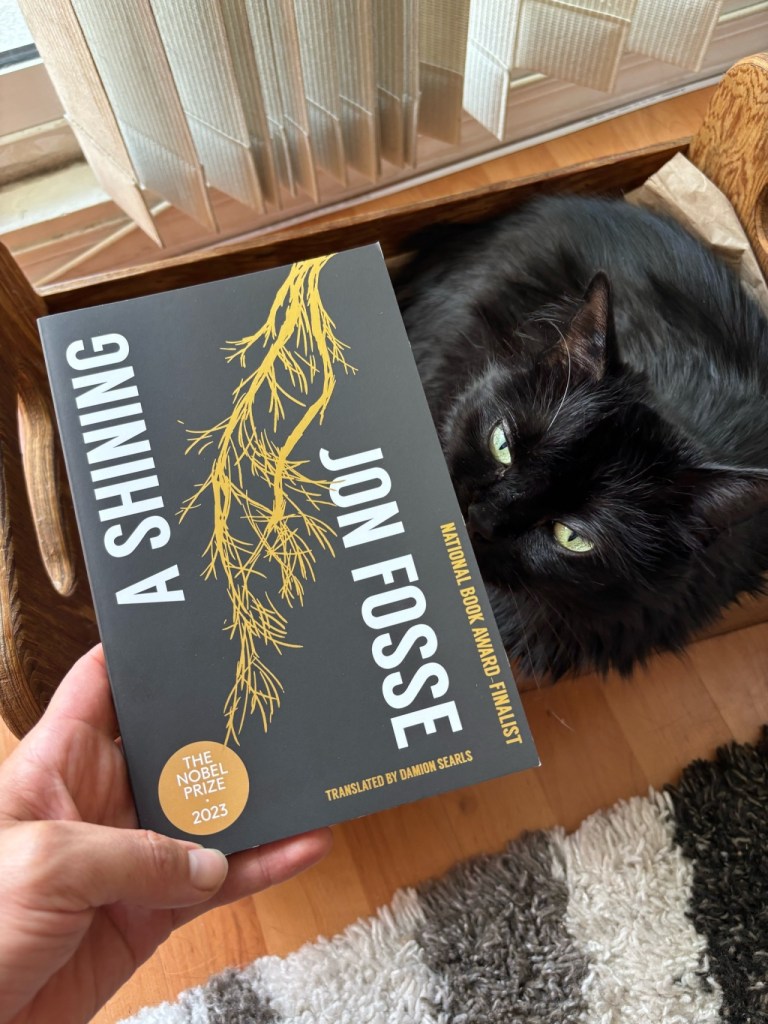
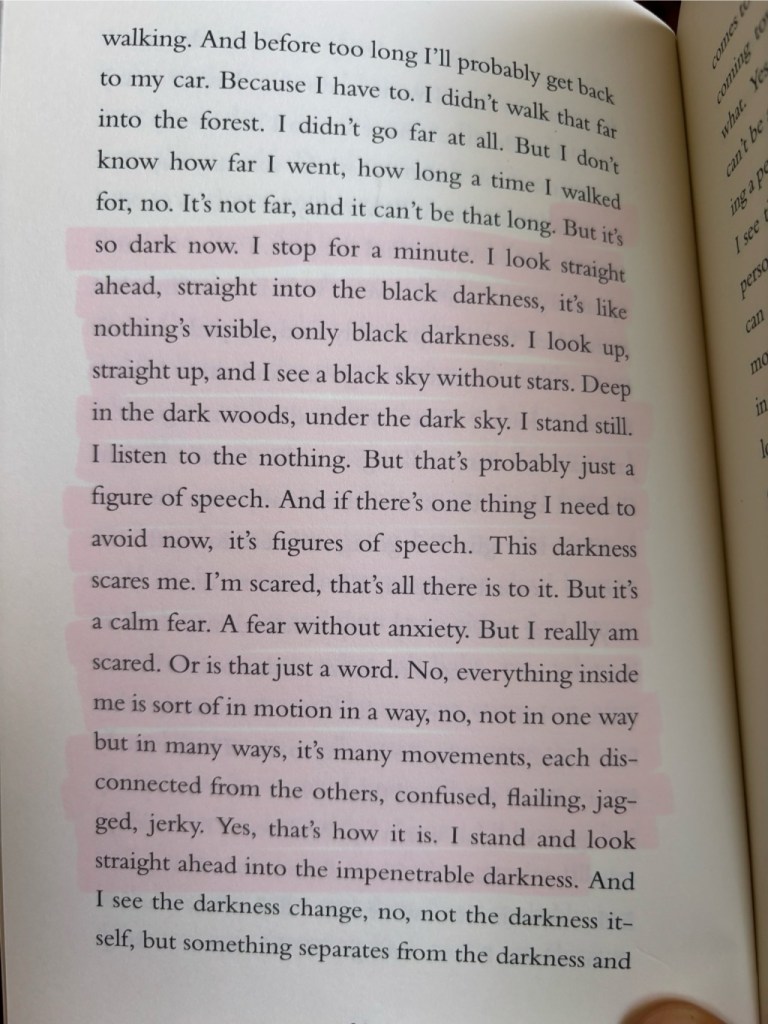
    Perhaps reading A Shining directly after Morning and Evening wasn’t the right move. Both novellas explore the same idea that our consciousness may very well steamroll its way straight through death without even noticing that the body has perished, but A Shining takes a much more concise and direct approach that I found overall less interesting or evocative. But don’t get it twisted; this was still a great read, and while the ideas are similar, their expression is quite different.

    (more…)
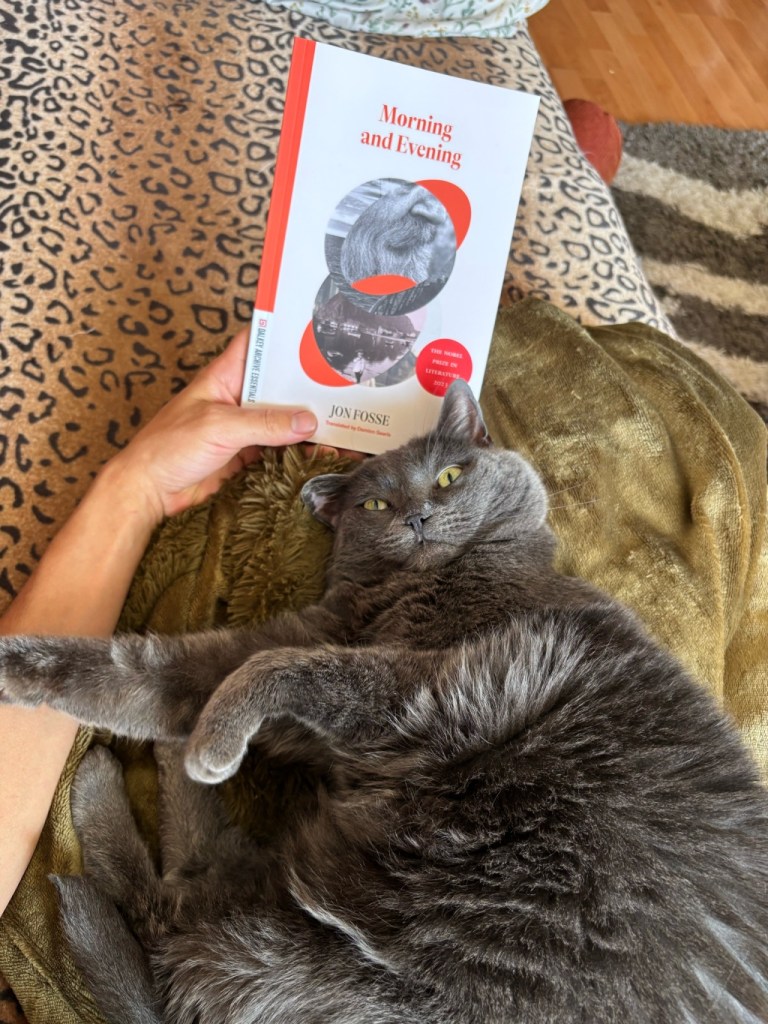
  • Book Review: Morning and Evening by Jon Fosse (2000)

    🌕🌕🌕🌕🌖

    What do you think happens when you die? Like, assuming that your consciousness is a self-contained capsule of memory and awareness that can exist outside of your corporeal form (one might even call it the “spirit”), do you think that it (you) will even notice when it is separated from the body? Or will it simply continue on without a hitch? One thing seems certain: without any new input, your consciousness will likely trigger a feedback loop and generate some strange conglomerate of past memories that will be recontextualized into new experiences (almost exactly like generative AI), but this could only go on for so long until your consciousness becomes aware that something feels off.

    (more…)
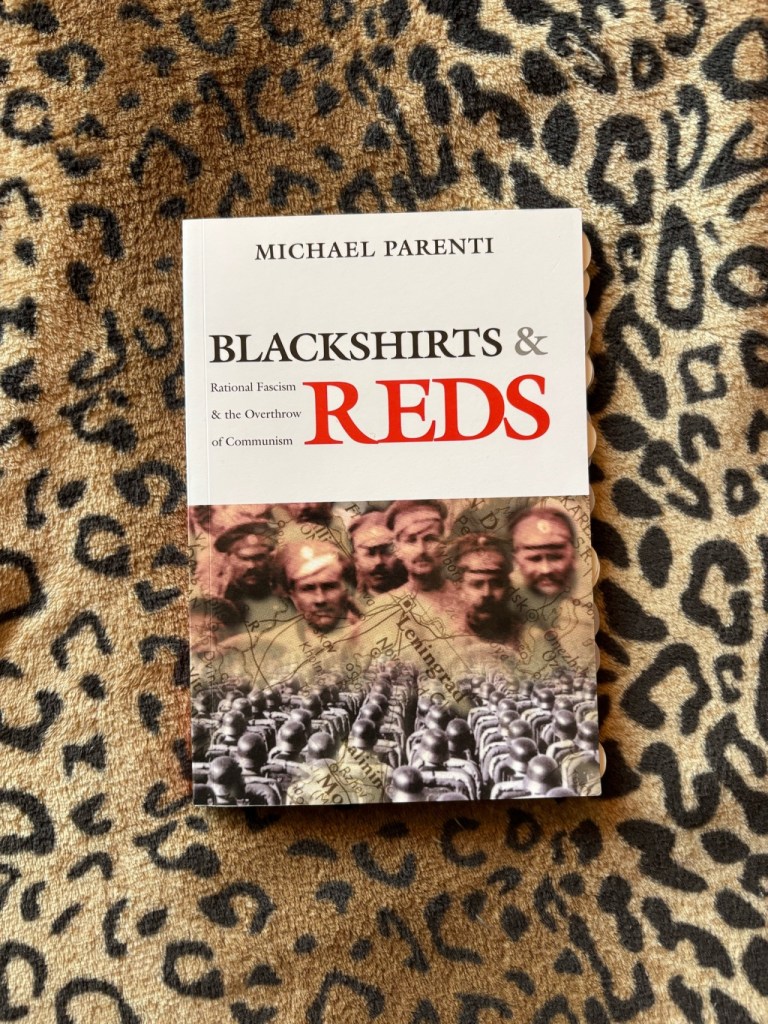
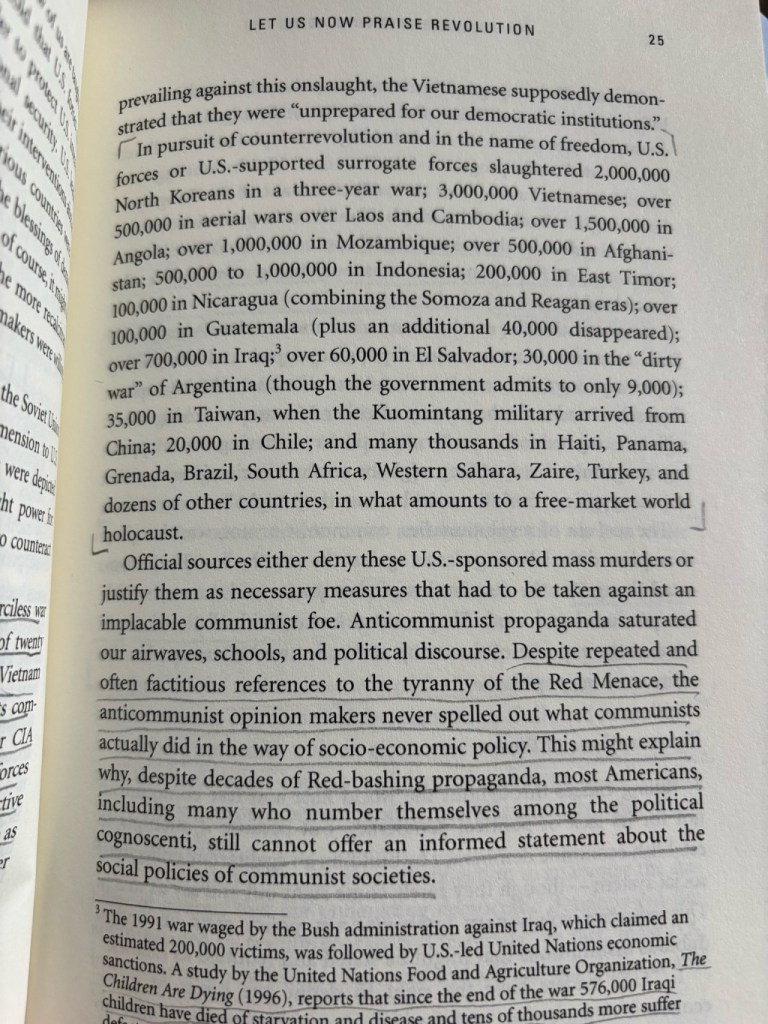
  • Book Review: Blackshirts & Reds: Rational Fascism & the Overthrow of Communism by Michael Parenti (1997)

    🌕🌕🌕🌕🌕

    I used to think politics had nothing to do with me, but something changed as I got older and started consuming fiction: I began to notice the pattern of politics, economics, environment, and class as being inextricable forces that shaped the lives and worlds of the characters I was reading about. The more I read, the less I could see a separation between myself and the politico-economic systems that shape our material realities, and the more I became obsessed with this idea of interconnectivity, which sparked a train of self-education that eventually led me to Michael Parenti.

    (more…)
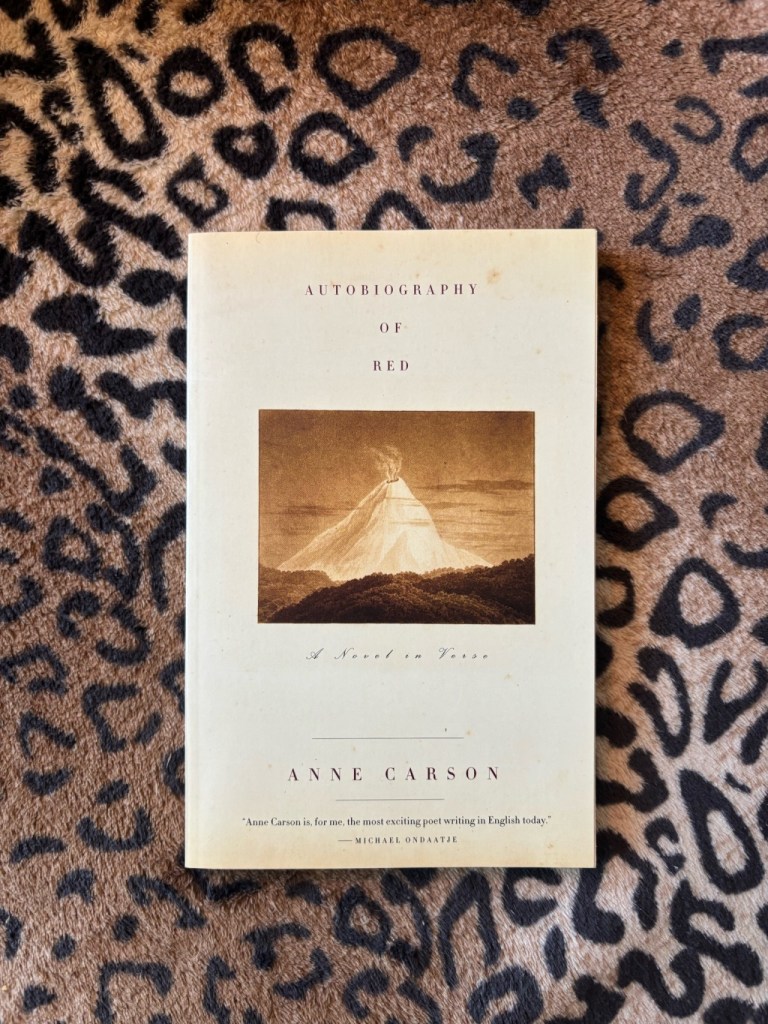
  • Book Review: Autobiography of Red by Anne Carson (1998)

    🌕🌕🌕🌗🌑

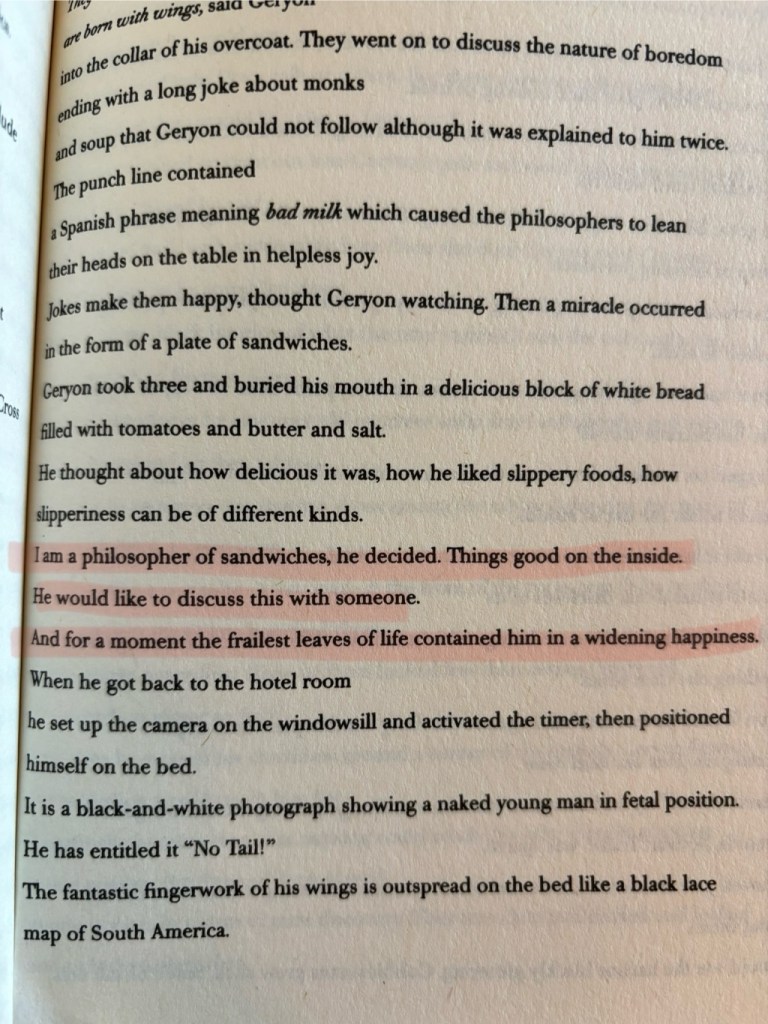
    A queer coming-of-age story based on loose fragments of ancient Greek poetry penned by Stesichorus (630–555 BC) about Herakles and the monster Geryon? Sign me up.

    I honestly didn’t know what I was getting into when I picked this up; I have experience in neither poetry nor Greek mythology, but thankfully Carson’s reimagining (or renovation) of this ancient myth doesn’t really require knowledge of either to enjoy. Autobiography of Red blurs the lines between classicism and modernity and offers an easily approachable spin on narrative verse. Yes, Hades is an actual location in the novel, but so is Buenos Aires and Huaraz. There are airplanes and fast cars and towns built into the slopes of active volcanoes, and yes, Geryon has wings and can fly, but he is also just a moody, confused kid who is really into expressing himself through photography. And Autobiography of Red feels very much like a collection of snapshots—each short chapter starts with a single line that sets the scene, and then Carson goes to work with her visceral, multilayered prose to paint heartrending scenes of distance, insecurity, and tenderness. Instead of Herakles killing Geryon with an arrow to the skull as in Stesichorus’s poem, he kills him with emotional indifference, but this indifference leads to a sort of awakening in Geryon as he learns to embrace his true form as a beautiful, flying red monster.

    (more…)
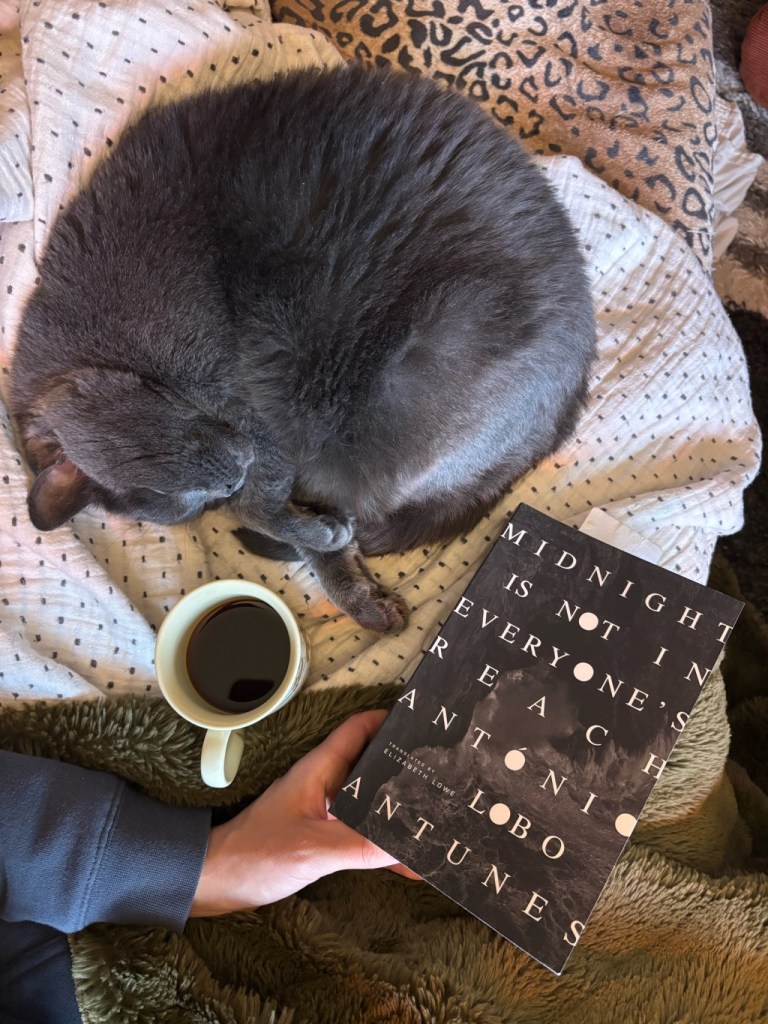
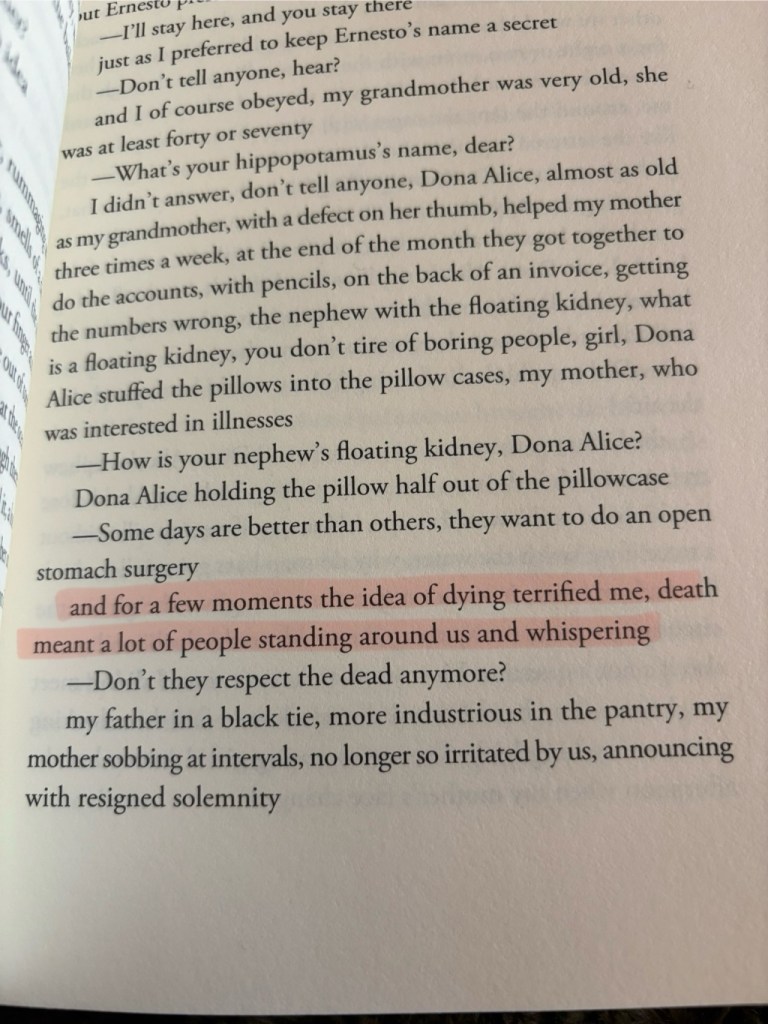
  • Book Review: Midnight Is Not In Everyone’s Reach by António Lobo Antunes (2012)

    🌕🌕🌕🌖🌑

    The best art is often times the art that challenges your perceptions and forces you to meet the artist halfway. In the realm of music I have often developed Stockholm syndrome in my attempts to grapple with perplexing styles, and through that effort I have turned many albums from ear antagonists into lifelong friends. The same can be said about books.

    I say this because as much as I ended up loving Midnight Is Not In Everyone’s Reach upon completion, I cannot understate the challenge I faced in getting there.

    (more…)
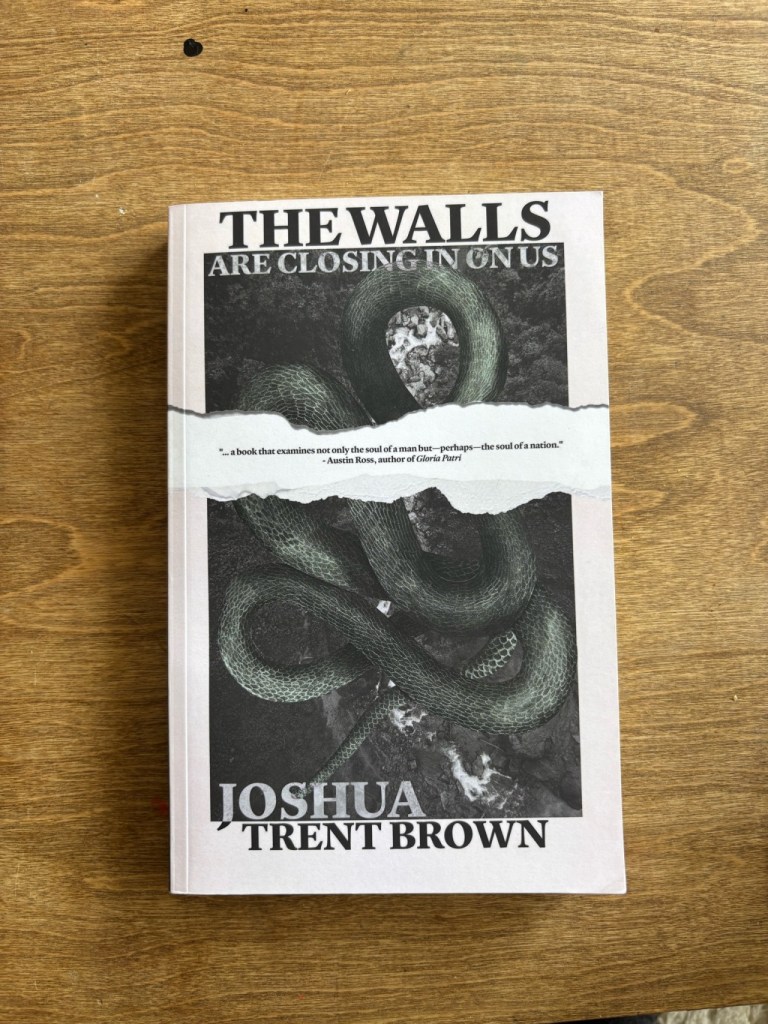
  • Book Review: The Walls Are Closing In On Us by Joshua Trent Brown (2026)

    🌕🌕🌕🌖🌑

    I don’t think I’ve ever cried more during a book than I did while reading The Walls Are Closing In On Us. Aside from the fact that the story is full of tragedy, my reading of it also coincided with a moment in my life where I had already been reflecting on my own experience of boyhood—trying to trace my finger back to the moment when that boy inside of me was suffocated and hollowed out, and trying to figure out why I put so much distance between myself and him, to the point where sometimes I doubt that any innocent part of me ever existed. Where did these walls come from that I erect both within and outside myself? Did the world put them there, or did I? Maybe it was a collaborative effort.

    (more…)
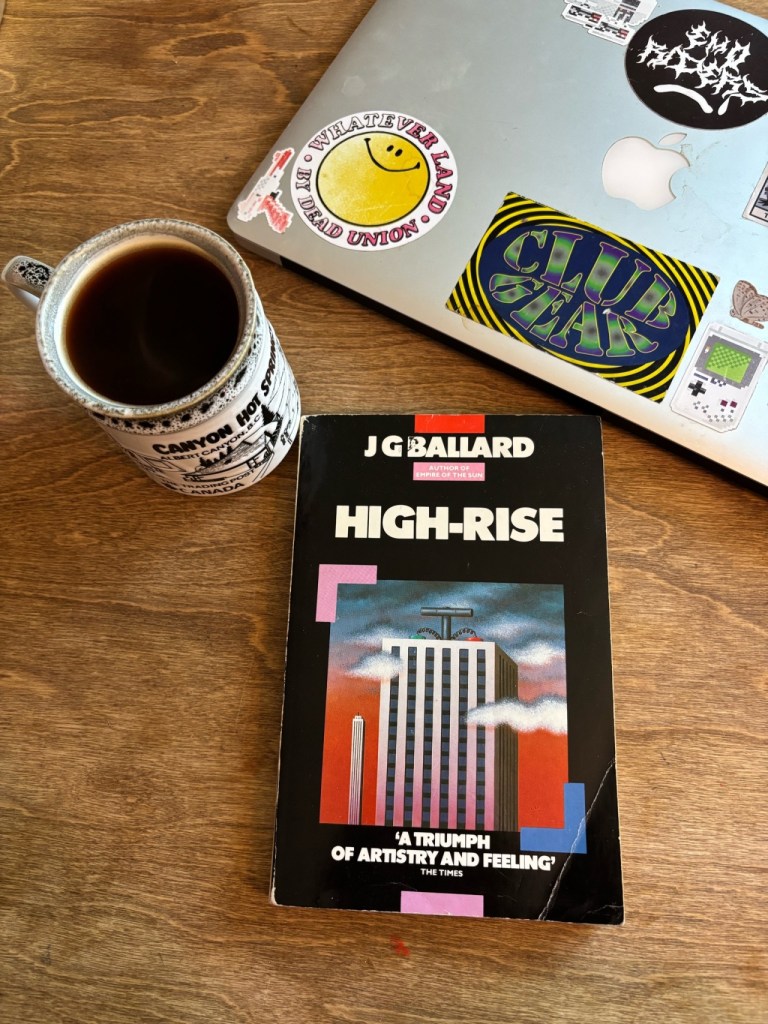
  • Book Review: High-Rise by J. G. Ballard (1975)

    🌕🌕🌕🌕🌑

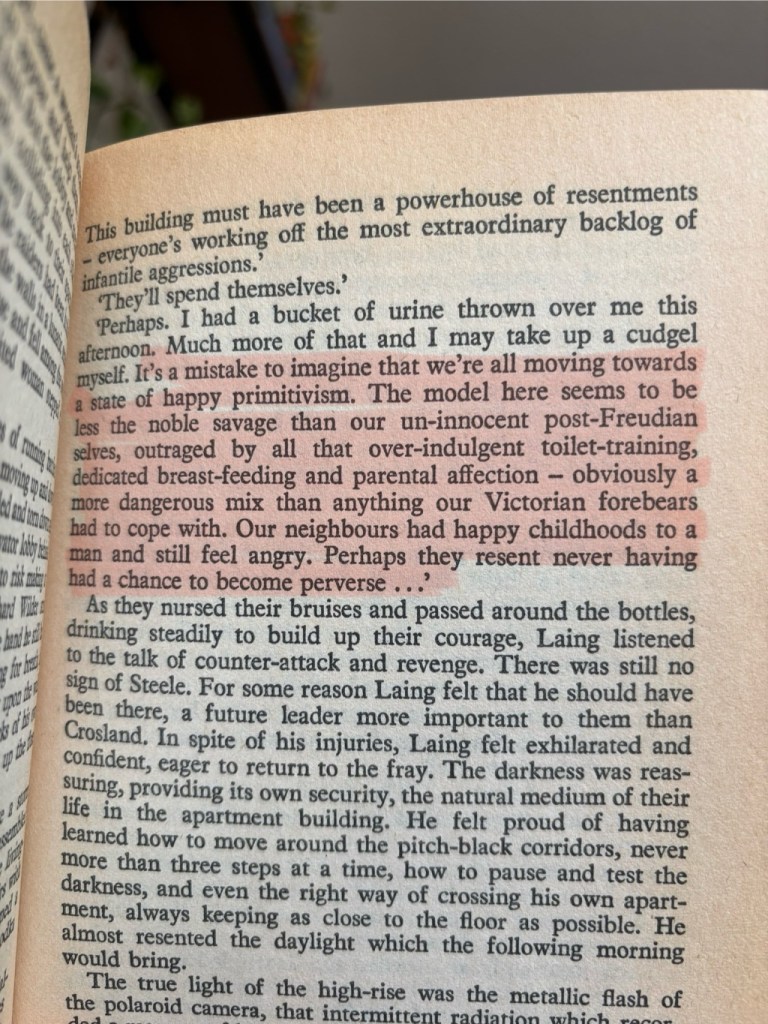
    The last (and first) Ballard I read was The Drowned World—an imperfect novel in many ways, but one with a sensory atmosphere that I’ll never forget. The humidity, the bugs, the lizards, the jungle flora, the old towers reaching out of the murky water into the glint of a blinding sun, and the ancient memories hidden in their flooded depths, I remember it all so vividly. Ballard’s sense of place is just so visceral, but he is specifically good at crafting tight-knit dialectic environments that are layered vertically rather than horizontally, often extending beyond the physical realm into the cerebral.

    (more…)

Something went wrong. Please refresh the page and/or try again.