

Category: book reviews

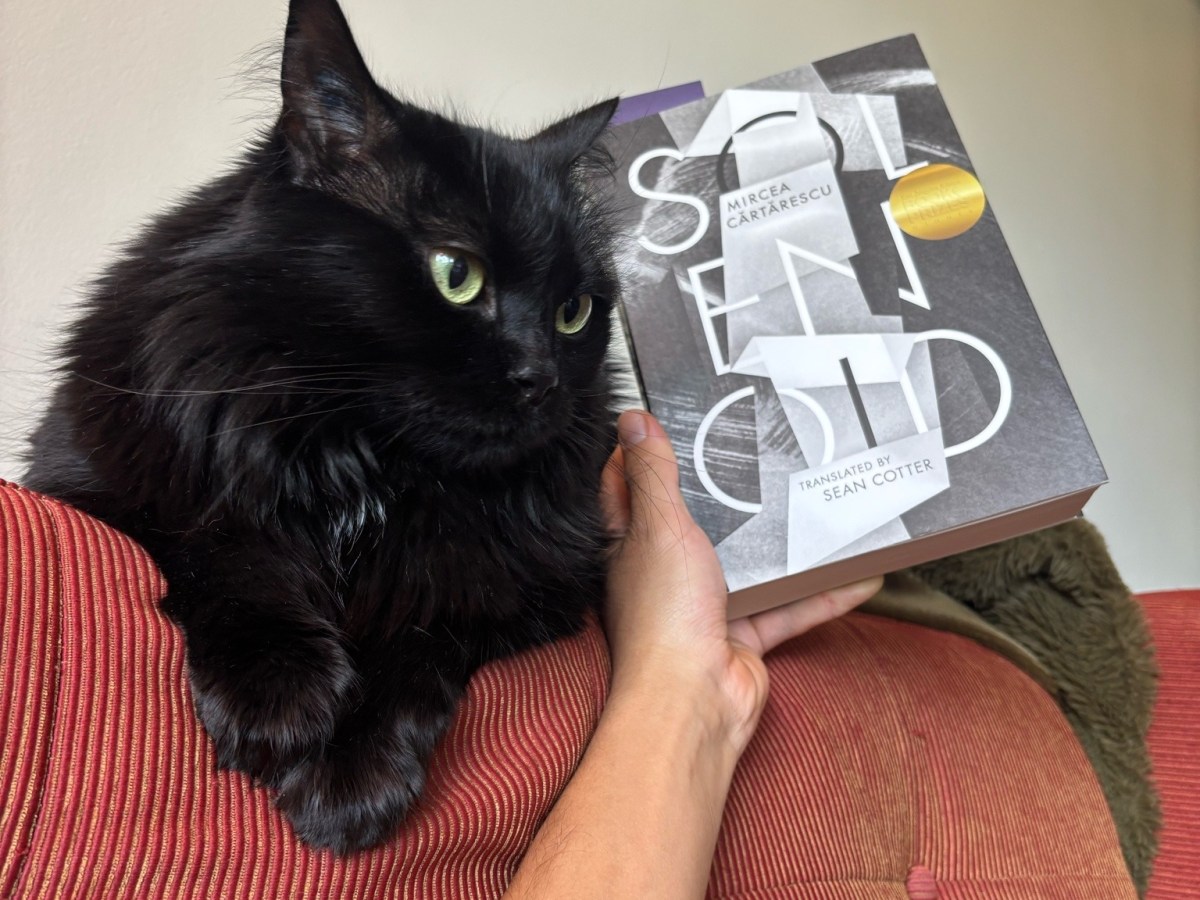
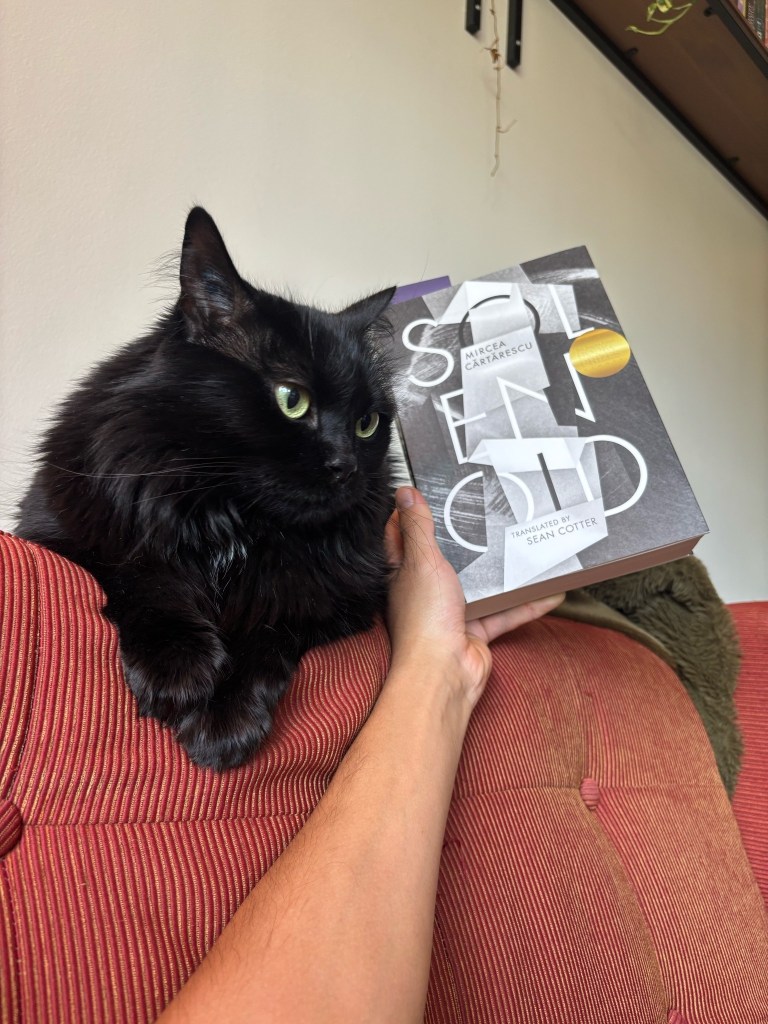
  • Book Review: Solenoid by Mircea CΔƒrtΔƒrescu, translated by Sean Cotter (2022)

    πŸŒ•πŸŒ•πŸŒ•πŸŒ•πŸŒ‘

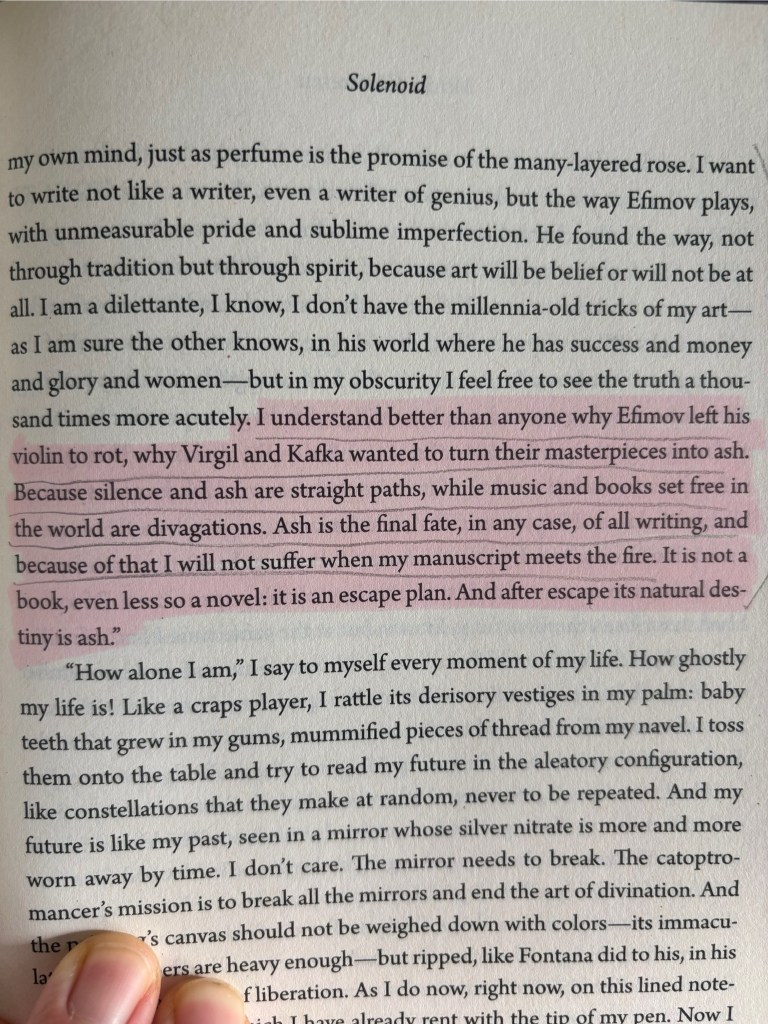
    Solenoid may be touted as a labyrinthine tome, but it is by no means a difficult read. It is a 672-page treatise on the horror of existence and the cryptographic symbols that guide our fate, but Sean Cotter’s translation is beautiful; the prose flows like melted butter; CΔƒrtΔƒrescu leads us from thought to thought in our narrator’s miserable life with a smooth and measured pace that is always easy to follow. Even when I took a week or two off from reading this book, I found myself quickly swept away by its crystalline stream of language and lulled into its opiate warmth.

    Solenoid’s ease of access is part of what makes it such a captivating work, though; it creates a cool dichotomy between the subject matter (which is often grotesque and constantly working to destabilize our reality) and the serene language that is used to describe it. The decomposing, war-torn city of Bucharest is alive and animated by a Lovecraftian horror beyond our comprehension, but it is like in a dream, where we waltz through the murmuring organs of a supranatural deity without suspicion, as if life has always been this way. The city feeds on the fear of its inhabitants through a system of underground pipes and tunnels, but the air is quiet, the water is still, and our reflection stares back at us, shell-shocked, like an alien from another plane of existence, equally disturbed to see us as we are to see them.

    The story itself is largely plotless, following a failed writer as he meanders through his cratered city, the infinite rooms of his boat-shaped house, the dilapidated school where he works with monstrous children, and the chambers of his own mind in an attempt to cope with the reality of his life, and I’ll be honest, there were some parts that dragged a bit too much for my liking. I didn’t love reading through his dream journals for the same reason I don’t love listening to people recount their dreams in real life, but the intrigue picked up in part three, and I found part four concluded the novel in a surprisingly powerful and life-affirming way. I was GLUED to those last fifty pages.

    My favourite aspect of the book, however, is how much it completely surrenders itself to pure fantasy. Our narrator makes absolutely no delineation between reality and his imagination, and whether he truly lives in an alien world or is just suffering from escapist delusions is entirely up to the reader to decide. As a fledgling writer, I found this very inspiring, like it gave me permission to allow my perceptions to become reality and concrete evidence that it could work. I could actually see this novel appealing heavily to fans of genre fiction. Even the narrator mentions how instrumental science fantasy magazines were to his development, and it felt like Cărtărescu was drawing a direct line from Virgil to Dante to Kafka to Borges to the likes of Gene Wolfe, so it is no surprise that it appealed so much to me.

    But should you read Solenoid? It depends on how important plot, character dynamics, and realism are to you. If you want to swim around in a primordial stew of alien symbology and existential musings for almost 700 pages as some schizophrenic weirdo tries to sort out his life, I’d say it’s worth it. If that doesn’t sound like a good time to you, I don’t blame you.
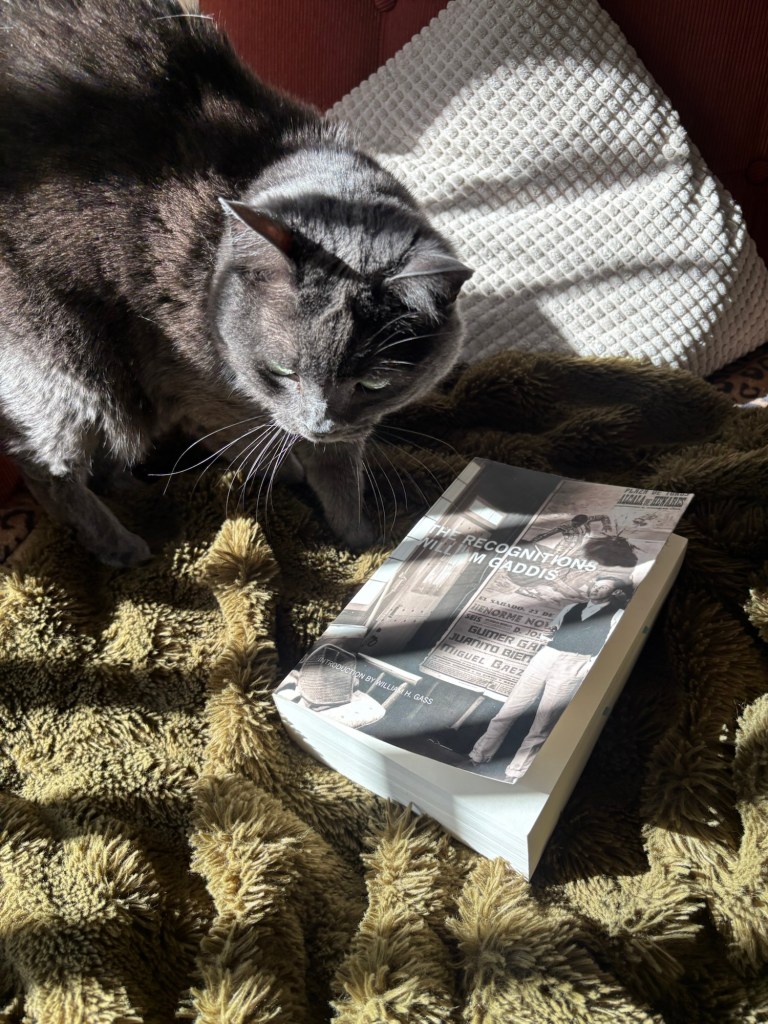
  • Book Review: The Recognitions by William Gaddis (1955)

    While reading this book alongside my good friend Dallan, we got talking about a scene where Gaddis is satirizing men who read self-help books, musing that they seek “the self which had ceased to exist the day they stopped seeking it alone.” Now, I’ve never been a fan of self-help, so I was here for the comedy, but it got me thinking. I asked Dallan, “Is it even possible to seek the self alone? Are we not always modelling ourselves after something? If not self-help books, then our parents and peers, characters we see on TV and read in books? What is the ‘self’ then?”

    A few days later, I was at band practice, bass guitar in my hands. We had just finished playing a song, and I was staring into the far corner of the room, spacing out, as I do, and I was suddenly overcome by a feeling of falsity in my own skin. I could see my own personality as a construct of layers, a collection of defense mechanisms and mirror images, habits and tics that I could peel off one by one like the layers of a papier-mΓ’chΓ© dollβ€”layers that could be traced back to their original creator, who inhereted them from someone else, ad nauseam. It might be the first time I experienced something I could only describe as ego death. I felt, momentarily, like underneath my identity was a tabula rasa, a blank slate that I could reconstruct in any way that I desired. It was freeing, honestly, but it didn’t last long; my brain quickly resumed its natural processes, keeping me safe with a sense of self that allows me to move through the world without falling apart.

    The Recognitions? Oh yeah, it’s a good book. Very deserving of its reputation. It is a strange beast, murky and virtuosic, full of hidden symbols, but also funny, with strong characterization and incredible dialogue. I was surprised by how much of it reads like a comedy of errors, yet other parts of it had me doubling over, scratching my head to understand the who, what, and why of it all. I guess in the world of art forgery it is common to damage the product to make it look more genuine, as if it had been weathered by centuries, and it felt like that is what Gaddis was doing with his own book, going back and scratching out faces, obscuring identities, smudging the ink so that the truth becomes a matter of interpretation. I loved that about it, even though it was challenging. I have to thank Dallan for helping me understand some scenes that I wildly misinterpreted, but I’m glad Gaddis got what he wanted out of me: a total dissolution of my reality.

    There are scenes from this book that will haunt me forever, and multiple layers of metaphor and reference that will take multiple rereads for me to understand, but for now, I just want to appreciate how this book gave me a new perspective on myself, and what I am made of. I feel like I am a little bit closer to understanding what Borges meant when he said β€œI am all other men, any man is all men.”

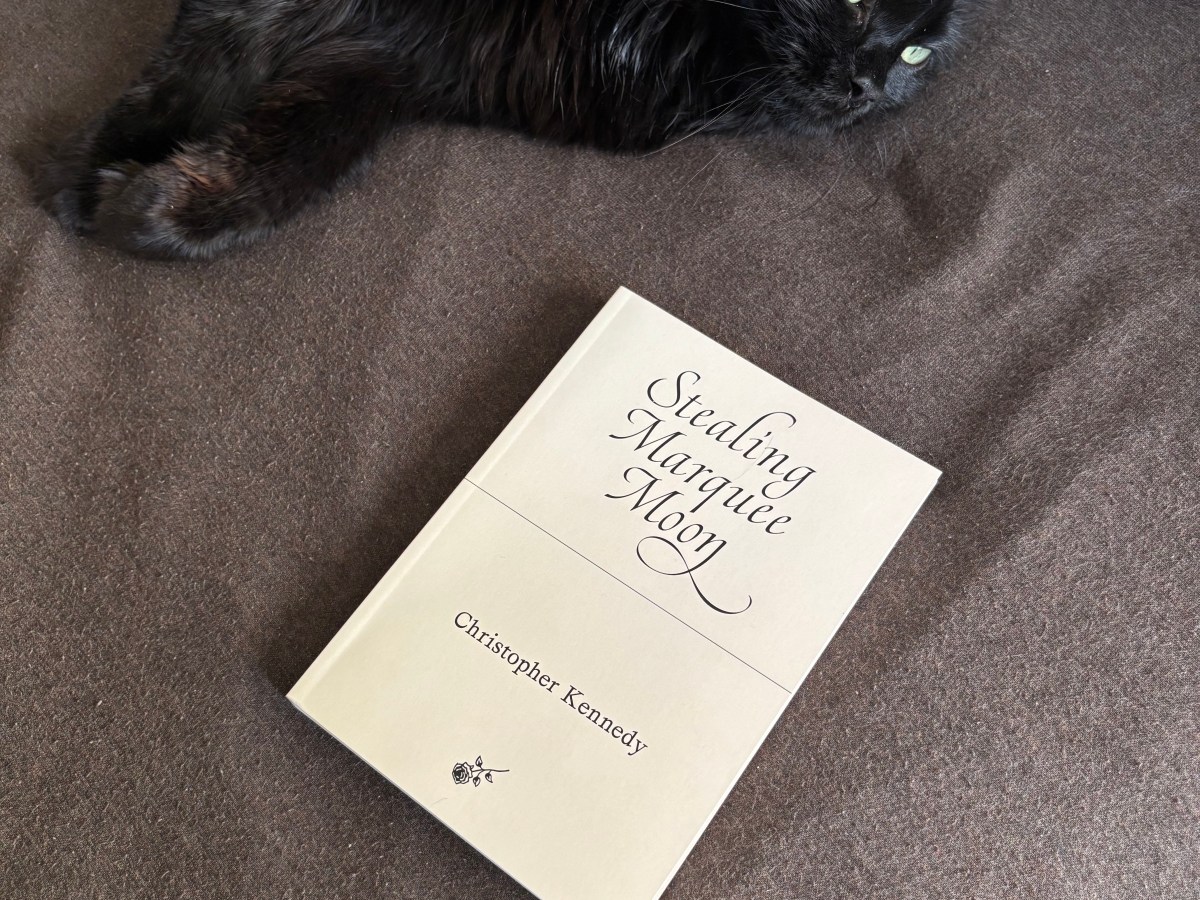
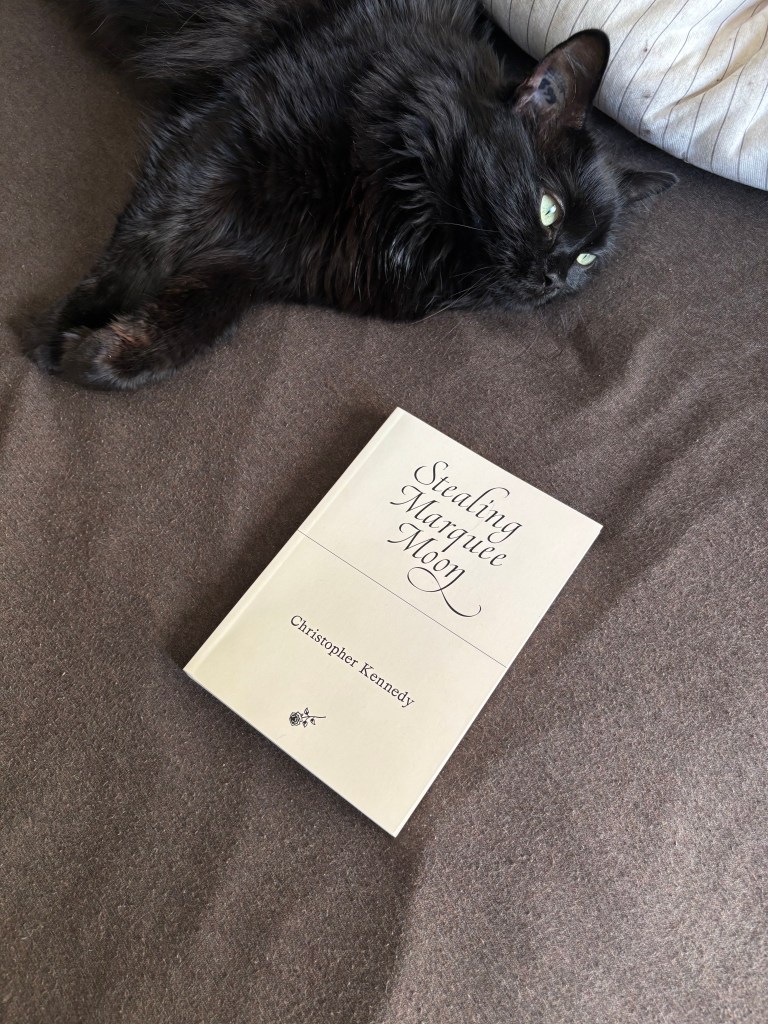
  • Book Review: Stealing Marquee Moon by Christopher Kennedy (2026)

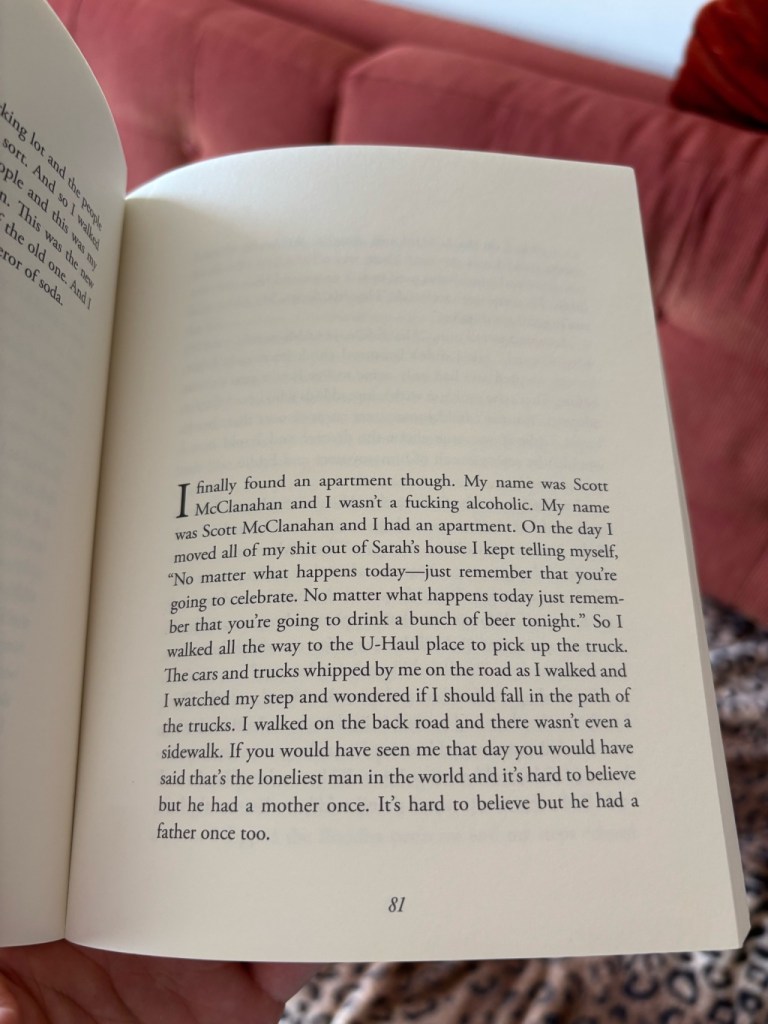
    I found Stealing Marquee Moon, the debut novel from Christopher Kennedy, to be quite reminiscent of Harmony Korine’s Gummo, or the memoirs of Scott McClanahan, but simultaneously quieter and more bizarre. There are drugs and debauchery abound, but Kennedy distills these memories into brisk, dreamlike scenarios that feel both distant and fleeting. Not a lot of time is spent on building the interiority or development of characters; rather, they are given impersonal nicknames and stand as open molds, people who could be anybody, really, and maybe they are everybody. I’m sure you know someone just like The Driver from your own youth, a fucked up and circumstantial friend who you still miss, and you probably have your own Butterfly Girl, too. I know I have mine. Kennedy recounts these memories of his life with an aloof detachment, but there is clearly something he is reaching for by bringing these moments back to life. At one point he asks bluntly, “Why conjure the past? What could be accomplished by trying to explain the things that make us and haunt us?” Later he skips over two decades of odd jobs, going to school, getting married and divorced, leaving the reader with a simple “What is there to say?” It feels to me like Kennedy is grappling with the acknowledgment that sometimes life isn’t profound. Sometimes a bunch of fucked up shit just happens, and then you die, and sometimes you numb yourself to life so thoroughly that you don’t even realize how much those fucked up events shape you until you try to reconstruct them from a bird’s-eye view. Sebald once wrote that memory makes one’s head heavy and giddy, as if one were not looking back down the receding perspectives of time but rather down on the earth from a great height, and I think Stealing Marquee Moon captures that essence delightfully by embracing the distortion of time and allowing the resulting images to speak for themselves instead of trying to fabricate a meaningful story arc or moral.

    If I have one recommendation for the potential reader, it is to read this book during the quiet moments of your day, perhaps in the morning with your coffee, or at the park with the grass beneath your feet, and let it sit with you. Kennedy’s strength as a poet is on full display here, and I think you’ll find a lot to enjoy with this novel despite the fact that it isn’t wrapped up with a neat bow and an explosive climax. Like I said, sometimes shit happens and then you die, but that doesn’t mean life can’t be beautiful, or at least humorous in its melancholy. I look forward to diving into some of Kennedy’s poetry now.

    Purchase a copy from Rose Books

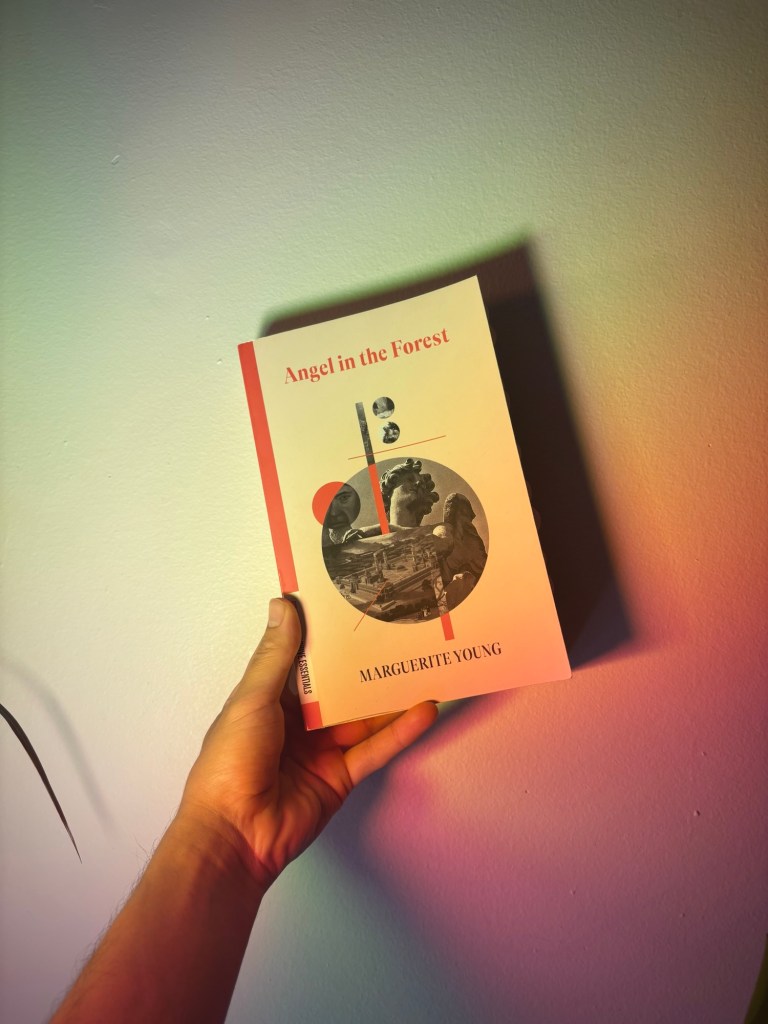
  • Book Review: Angel in the Forest by Marguerite Young (1945)

    πŸŒ•πŸŒ•πŸŒ•πŸŒ•πŸŒ•

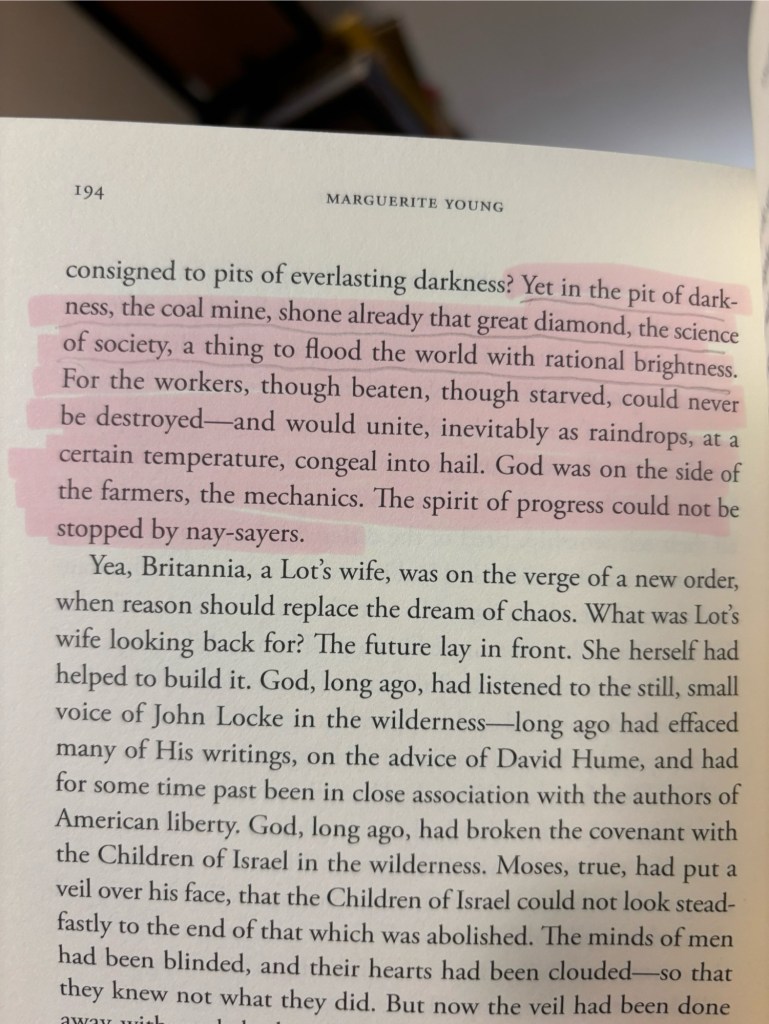
    I feel so incredibly stupid trying to write a thoughtful analysis of this book because Marguerite Young is a million times smarter than I will ever be, and her ability to hold basically every facet of the human condition in her palm and roll them together with the same ease that a child plays with a ball of clay leaves me absolutely dumbstruck. So I’m going to take the easy route and opt for a simple questionnaire:

    Are you interested in learning about some of the first socialist movements in 1800s America? Does the concept of “scriptural communism” intrigue you? How about celibate cults? Are you brave enough to take a really critical look at how the inextricable force of spirituality shapes and/or resists progressive movements? More so, are you interested in confronting some of your own potential biases toward rationalism and completely recalibrating how you view the function of spirituality in society as it pertains to said movements? Are you ready to recontextualize our current political crisis as a mere extension of time immemorial? Do you enjoy rich, poetic language that weaves history, philosophy, and scripture together into a map of societal consciousness?

    (more…)
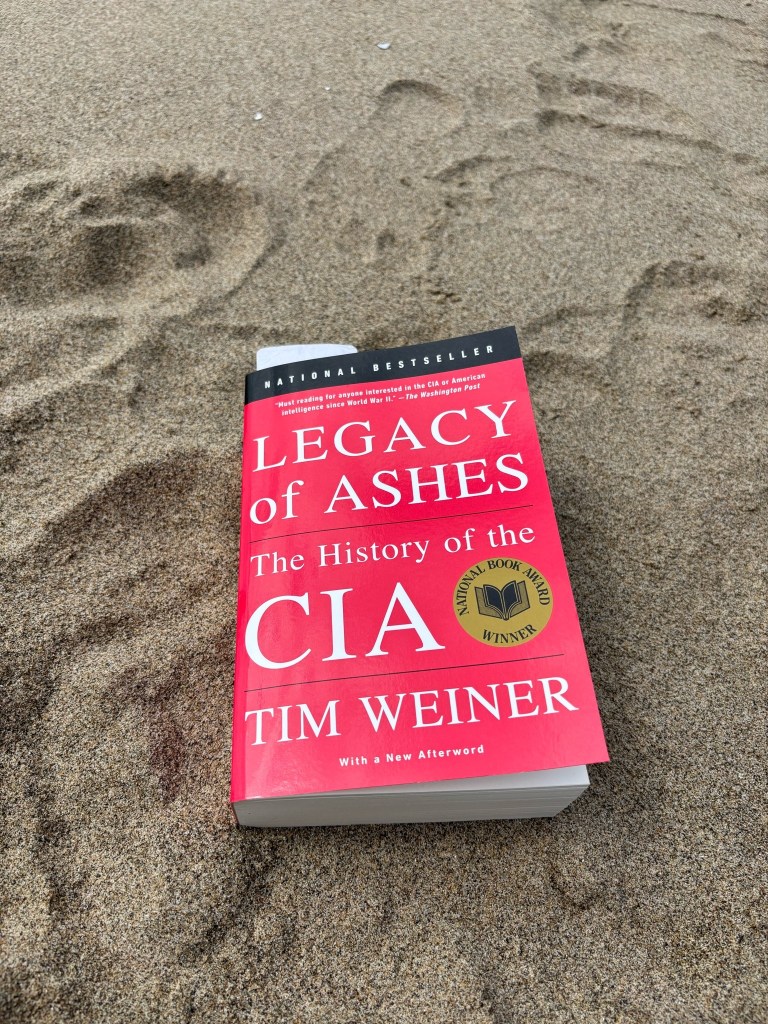
  • Legacy of Ashes: The Fiction Reader’s Case for Learning About the CIA

    I recently finished Legacy of Ashes: The History of the CIA by Tim Weiner. I read this book in preparation for William T. Vollmann’s new four-part CIA novel, A Table For Fortune, and I figured instead of doing a formal review, it might be more interesting to the people who predominantly read fiction if I offered you the fiction reader’s case for learning about the CIA. This is my machiavellian scheme to get you all more interested in the dirty history of the United States.

    (more…)
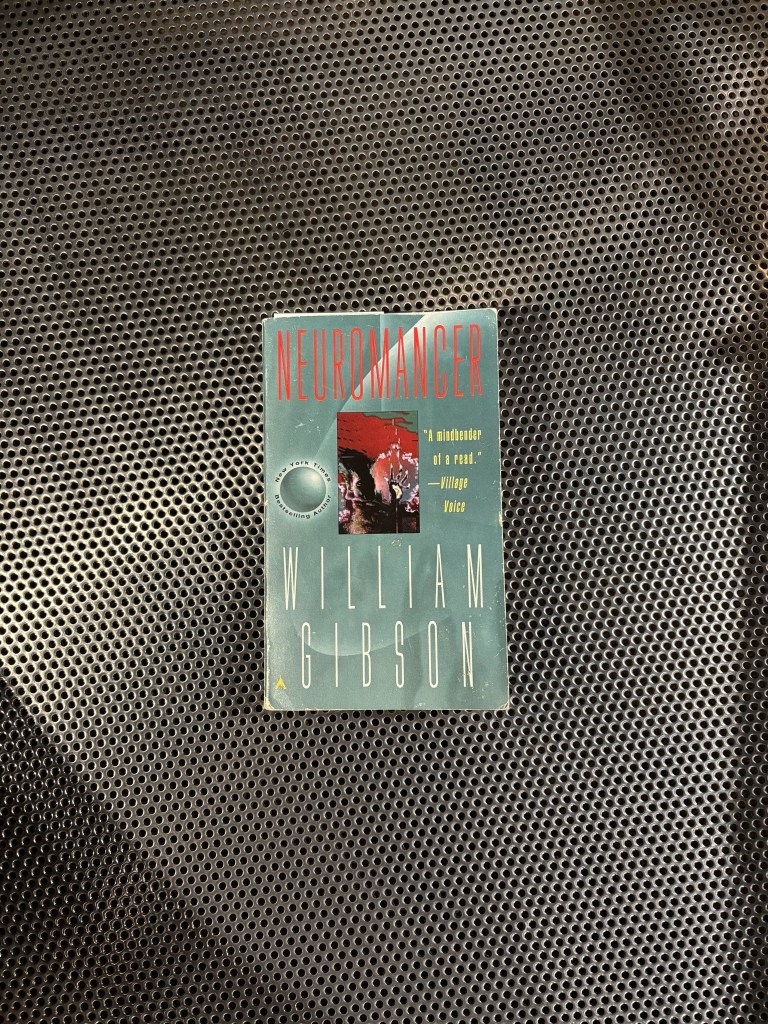
  • On the Utility of Stoicism in William Gibson’s Neuromancer (1984)

    The first time I read Neuromancer, I didn’t understand it. It was thrilling, yes, visionary, evenβ€”a prophetic tale of dystopian tech drenched in degenerate psychedelia and hardcore actionβ€”but also so, so confusing. Gibson does not hold the reader’s hand. In a 1999 interview, he opines that we “live in an incomprehensible present” and that it is not his duty to explain the present but merely to illuminate the moment and make it accessible. If making incomprehensibility accessible was his goal, he achieved it.

    But then I read it again a few months later, and it was like putting on a pair of glasses after a lifetime of legal blindness, or activating the windshield wipers during a storm. Johnny Nash wrote a song about this feeling once.

    (more…)
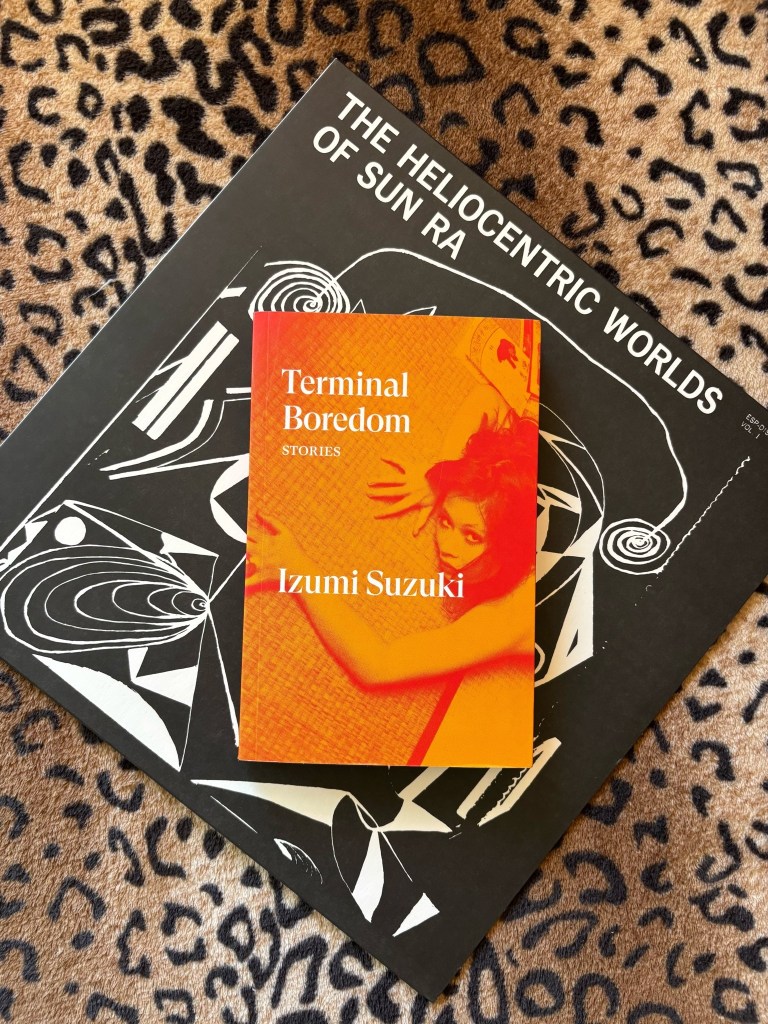
  • Book Review: Terminal Boredom: Stories by Izumi Suzuki (1977-84)

    πŸŒ•πŸŒ•πŸŒ•πŸŒ•πŸŒ‘

    I used to ride skateboards with a dude who was notorious for his haphazard style. The elders of our local park nicknamed him Curveball because he was always sending tricks that were way above his skill level, and sometimes, like a drunken monk, with his arms flailing back and his center of mass way past the tipping point, he would even land them. He was a loose cannon, more a danger to himself than others, and it was exhilarating to watch.

    (more…)
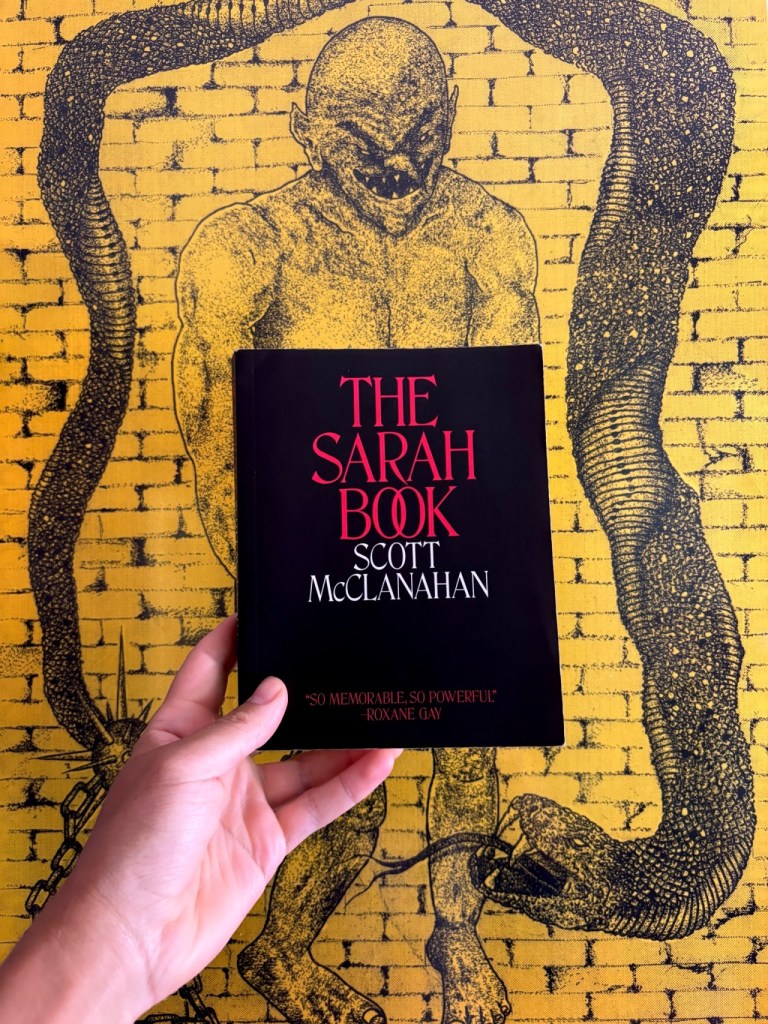
  • Book Review: The Sarah Book by Scott McClanahan (2015)

    πŸŒ•πŸŒ•πŸŒ•πŸŒ•πŸŒ‘

    The Sarah Book is a semi-autobiographical (I suspect even highly fictionalized) account of the divorce between Scott McClanahan and his wife, the myth, the legend, Sarah. In the novel, Sarah is a beautiful, intelligent, driven mom of two who works as a nurse, and Scott is… the king of debauchery, a man-baby who runs from his feelings and deflects any difficult emotion with alcohol, junk food, and humour (much to the reader’s delight). He is truly a pathetic little worm at times, but it’s always hard to hate him for it cause he is also just kinda dumb and self-destructive in a sad way. When Scott fails time and time again to grow up, to be a proper father and a caring husband, Sarah understandably files for divorce.

    (more…)
  • Book Review: Peace by Gene Wolfe (1975)

    πŸŒ•πŸŒ•πŸŒ•πŸŒ‘πŸŒ‘

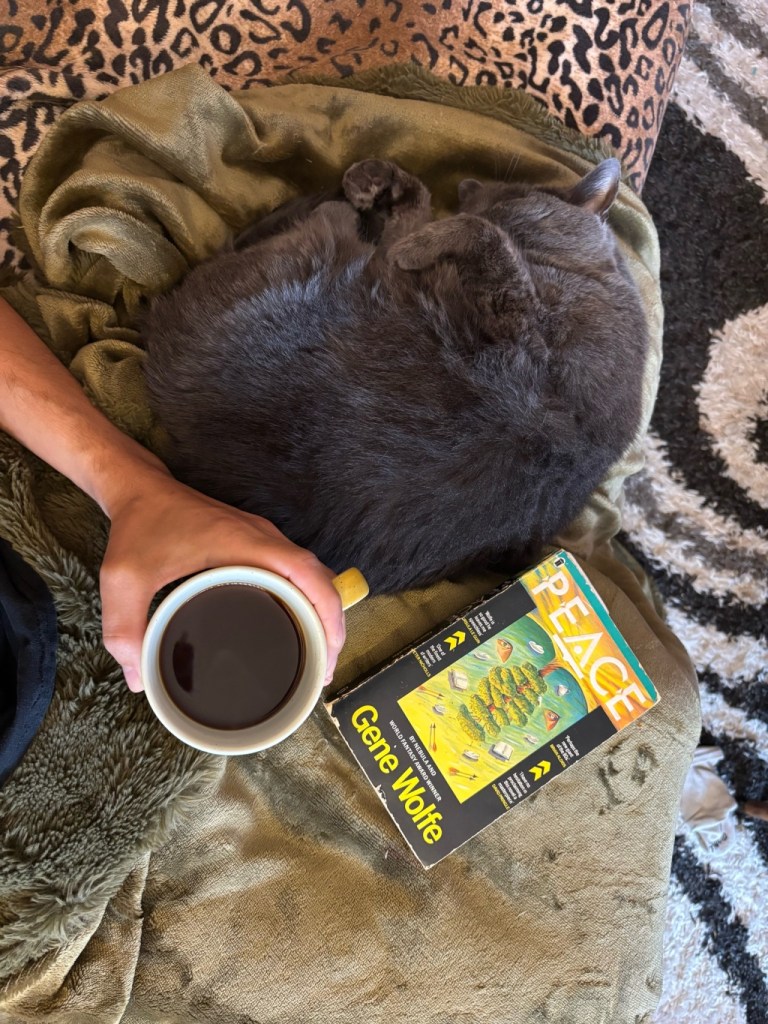
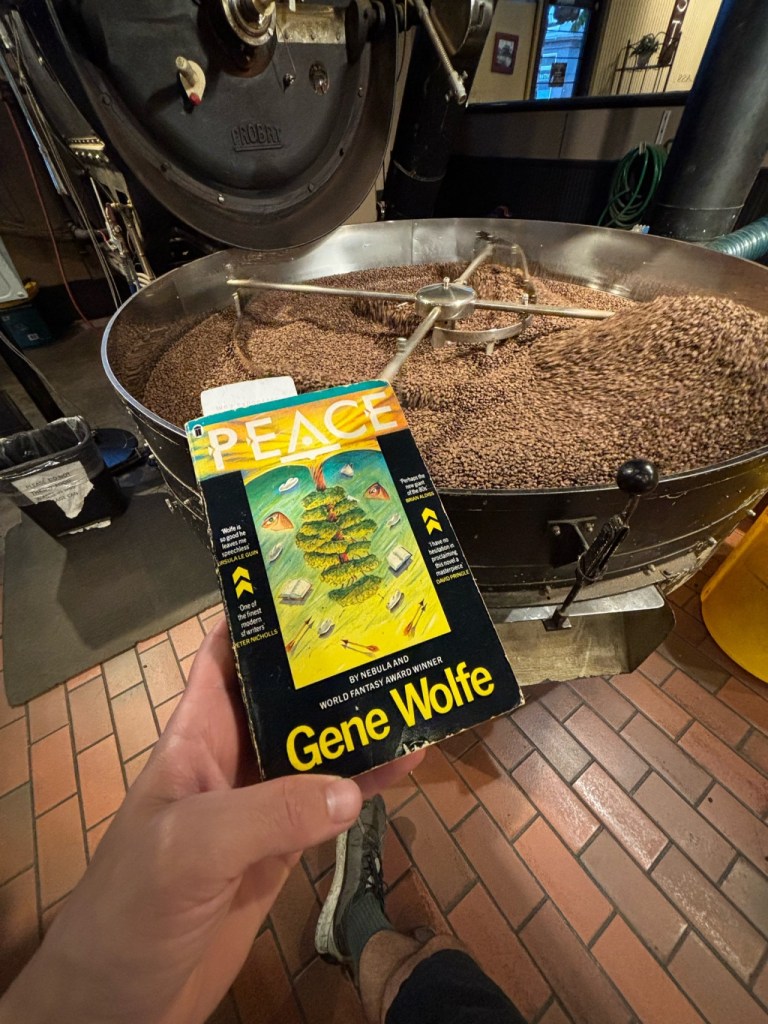
    Peace is by far the most confounding Wolfe novel I’ve read so far. It reminded me more of Pynchon than anything resembling the dark fantasy he would become known for. Even on a prose level, it felt different: tighter and punchier for sure, but also less expressive. I was actually surprised to find that this was published after The Fifth Head of Cerberus, because I enjoyed that one much more on a sentence-by-sentence basis. In short, this was a much different Wolfe than the one I fell in love with.

    (more…)
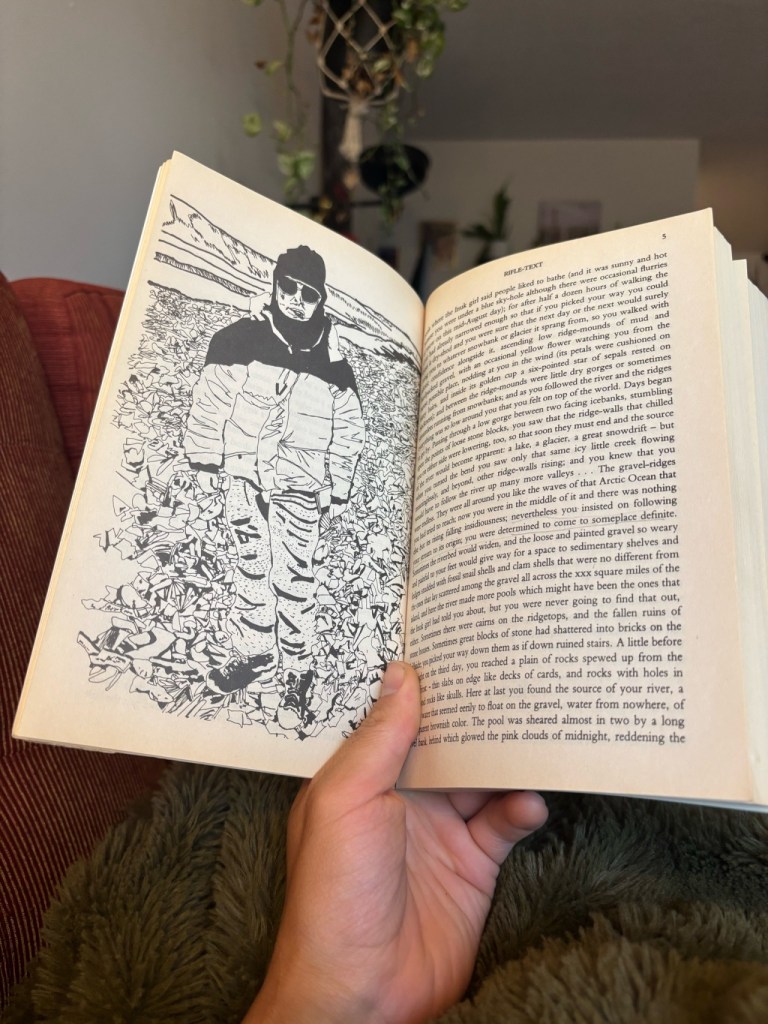
  • Book Review: The Rifles by William T. Vollmann (1994)

    πŸŒ•πŸŒ•πŸŒ•πŸŒ•πŸŒ•

    It’s been a long time since I’ve read a book that feels… unreviewableβ€”at least in the way that I would normally tackle a review by trying to understand the β€œwhy” that connects the various themes and events or by relaying the reading experience through a reflection of my own life. The Rifles is just not relatable like that, it aspires to so much more than a mirror for the reader to find themselves in.

    (more…)

Something went wrong. Please refresh the page and/or try again.