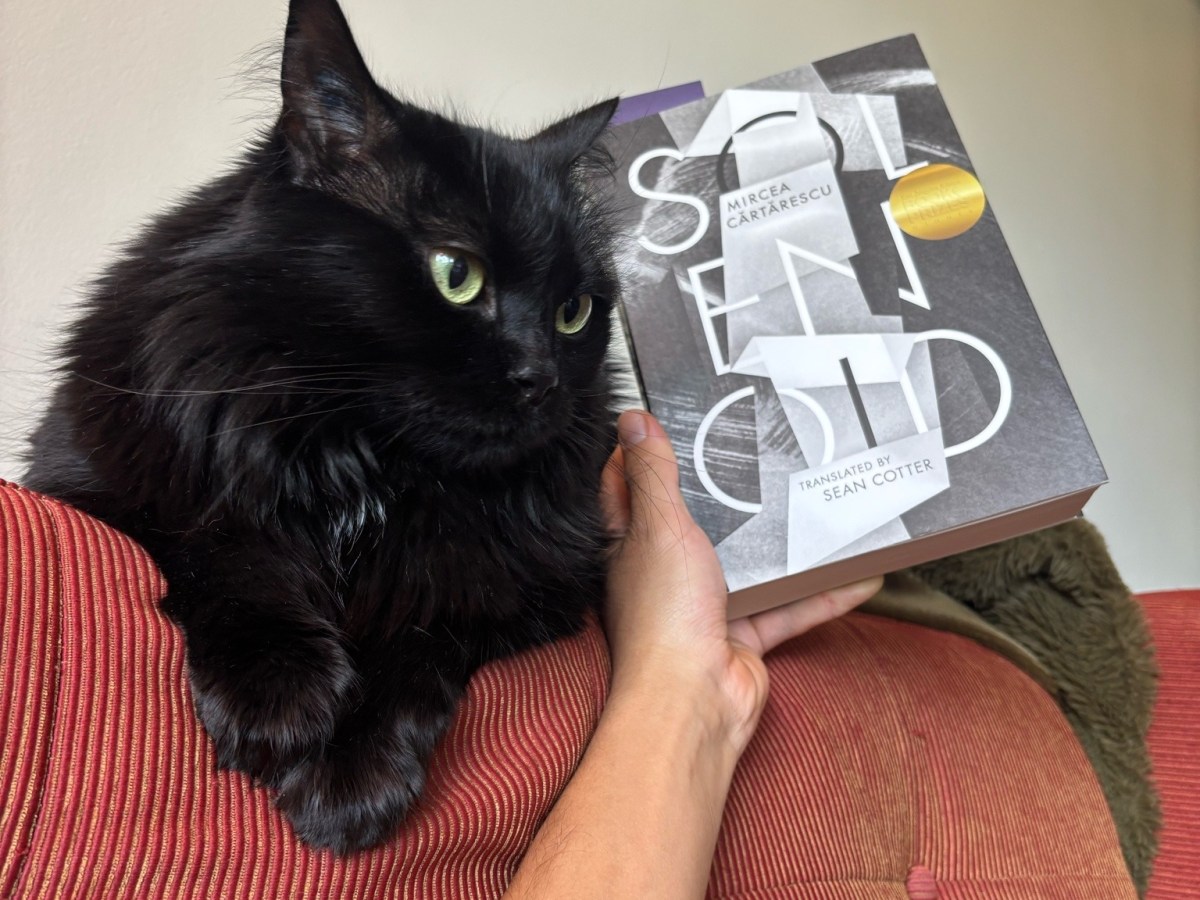

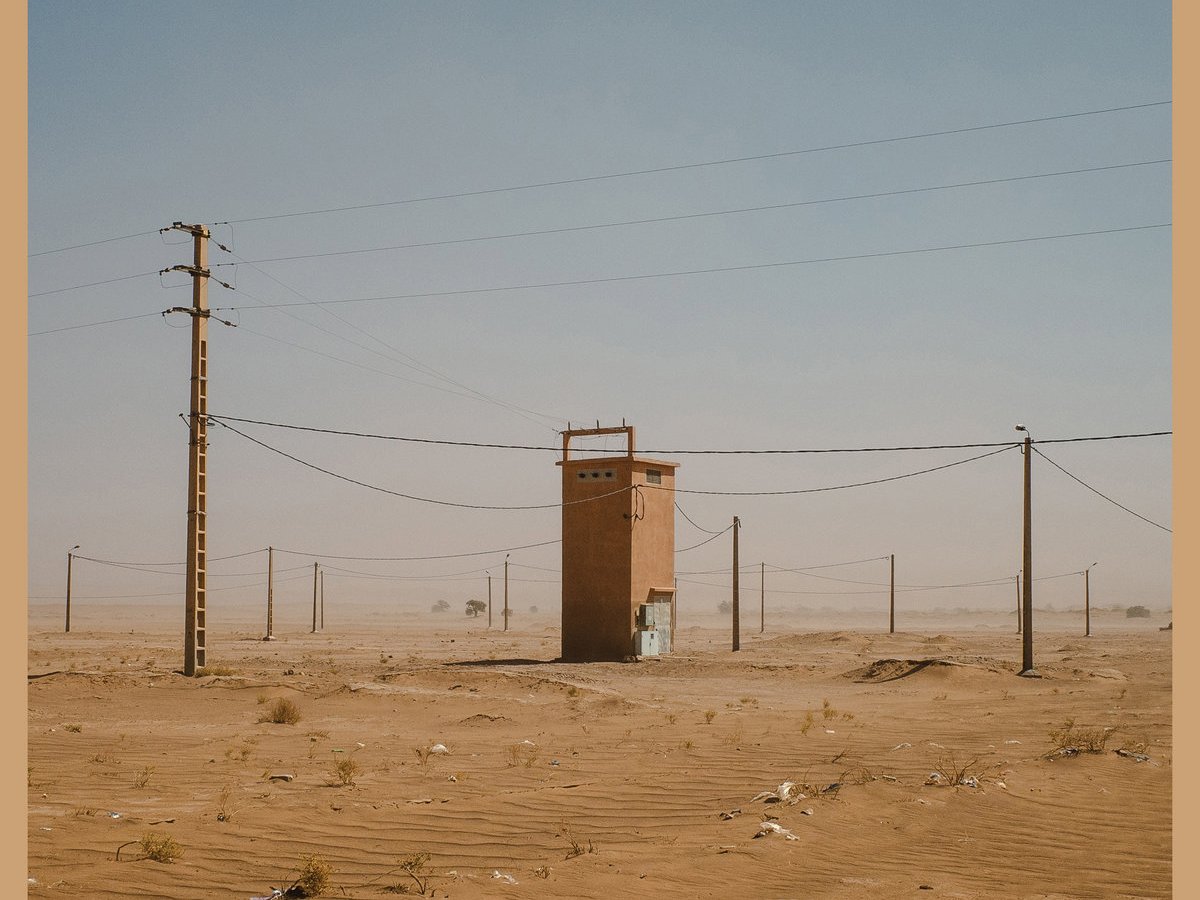
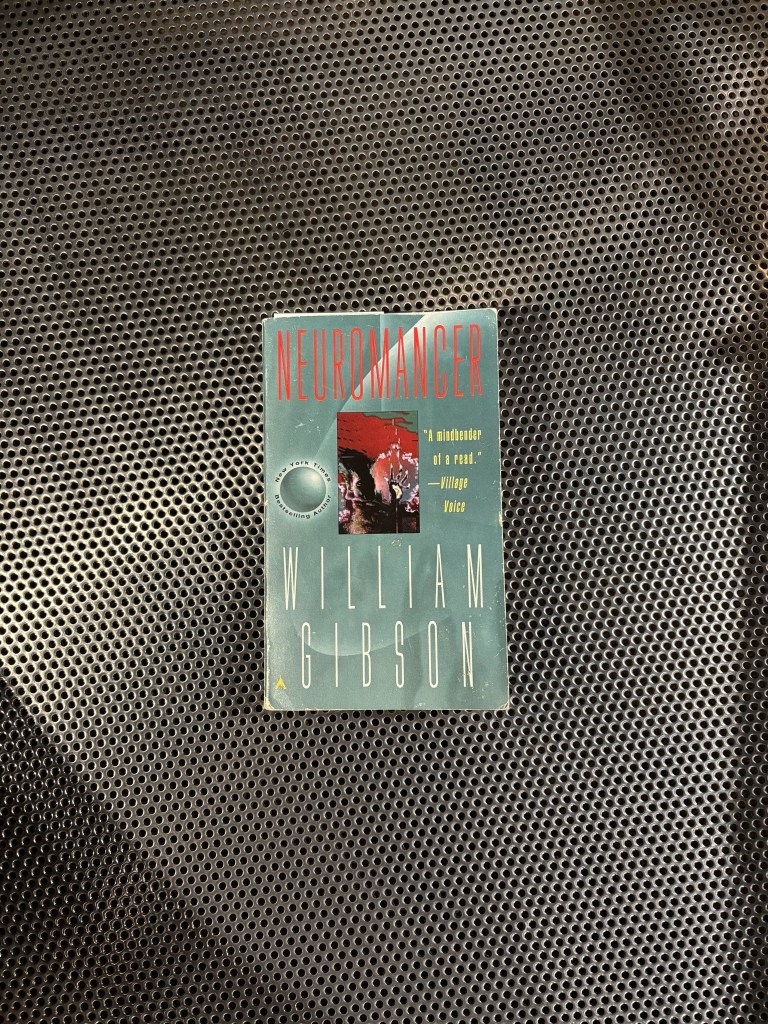
• On the Utility of Stoicism in William Gibson’s Neuromancer (1984)

    The first time I read Neuromancer, I didn’t understand it. It was thrilling, yes, visionary, even—a prophetic tale of dystopian tech drenched in degenerate psychedelia and hardcore action—but also so, so confusing. Gibson does not hold the reader’s hand. In a 1999 interview, he opines that we “live in an incomprehensible present” and that it is not his duty to explain the present but merely to illuminate the moment and make it accessible. If making incomprehensibility accessible was his goal, he achieved it.

    But then I read it again a few months later, and it was like putting on a pair of glasses after a lifetime of legal blindness, or activating the windshield wipers during a storm. Johnny Nash wrote a song about this feeling once.

    (more…)
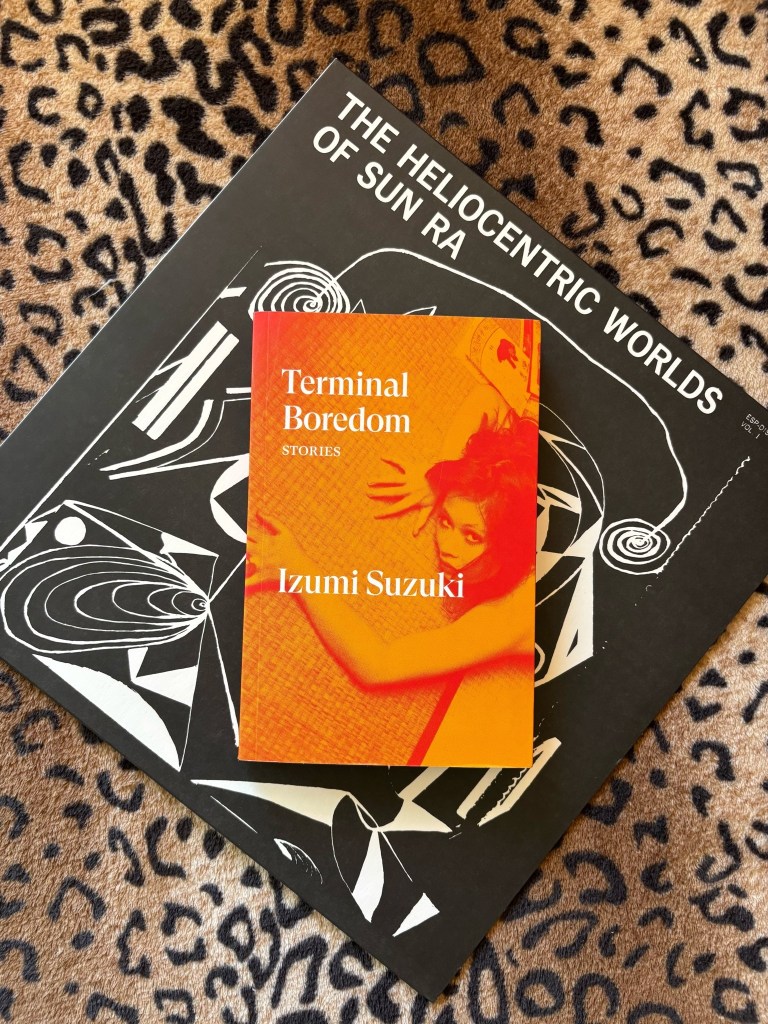
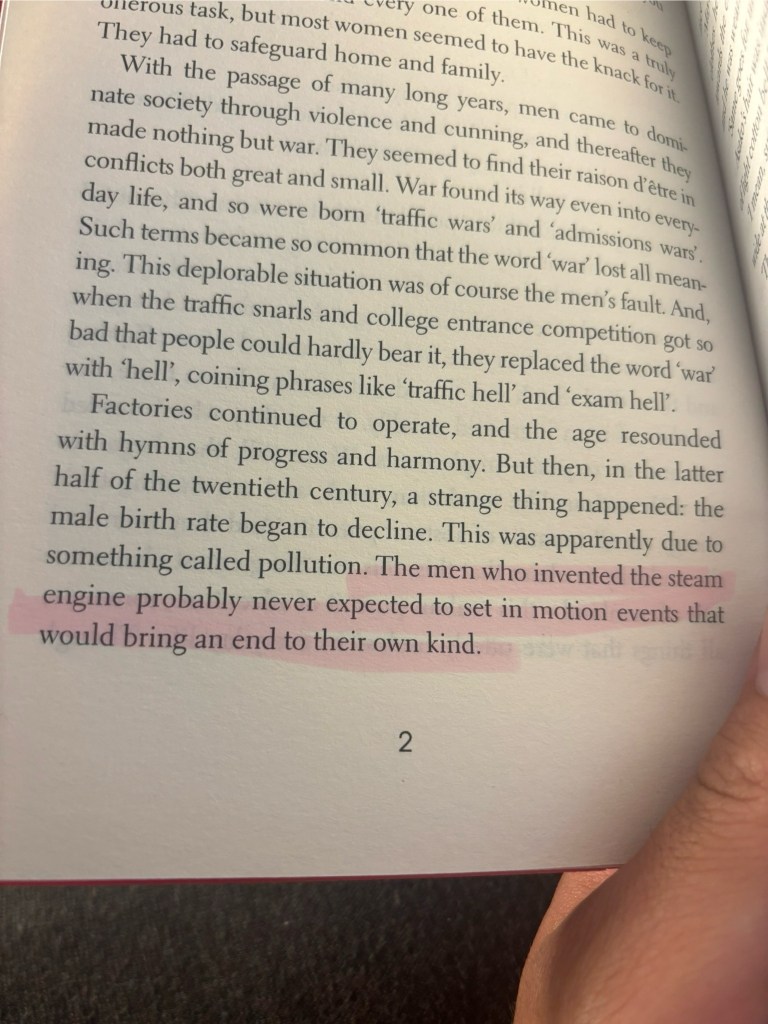
  • Book Review: Terminal Boredom: Stories by Izumi Suzuki (1977-84)

    🌕🌕🌕🌕🌑

    I used to ride skateboards with a dude who was notorious for his haphazard style. The elders of our local park nicknamed him Curveball because he was always sending tricks that were way above his skill level, and sometimes, like a drunken monk, with his arms flailing back and his center of mass way past the tipping point, he would even land them. He was a loose cannon, more a danger to himself than others, and it was exhilarating to watch.

    (more…)
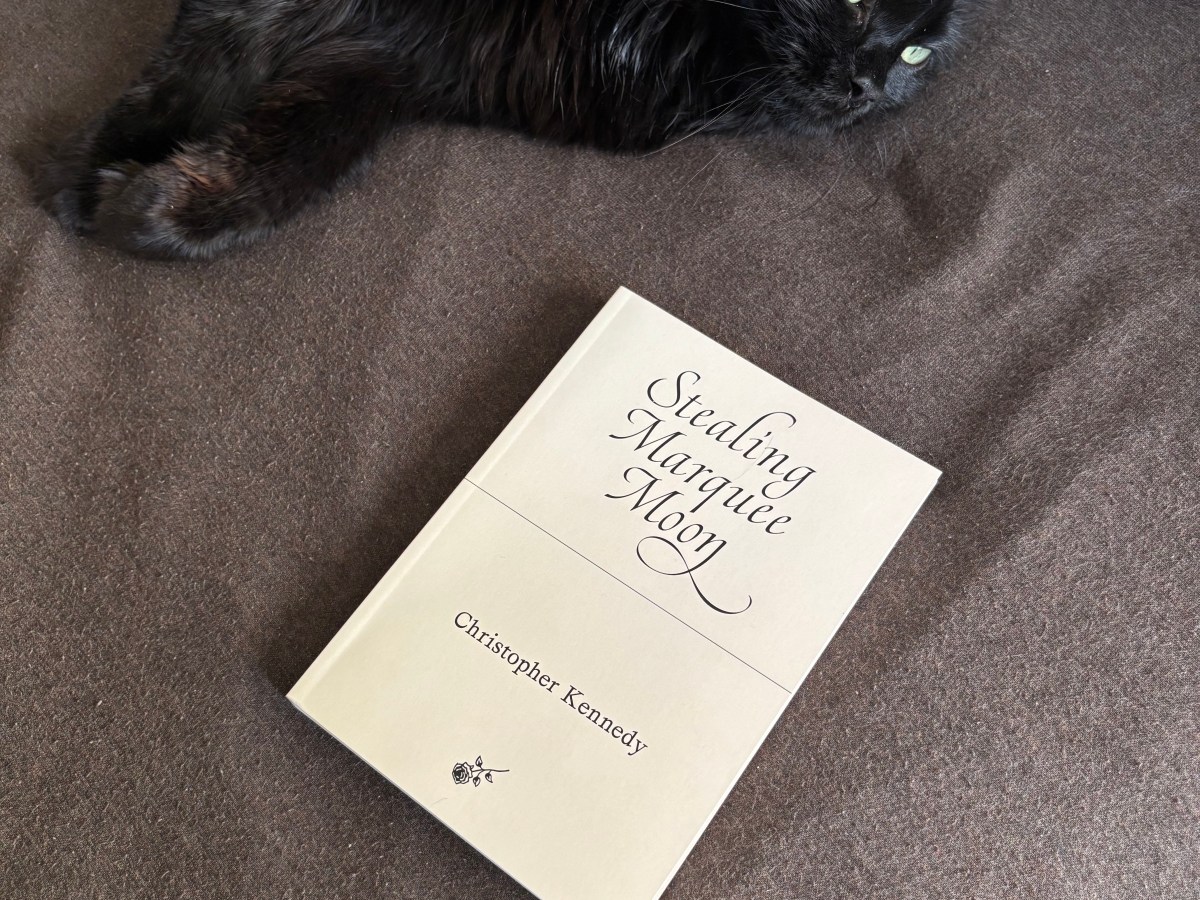
  • book haul – july 2026

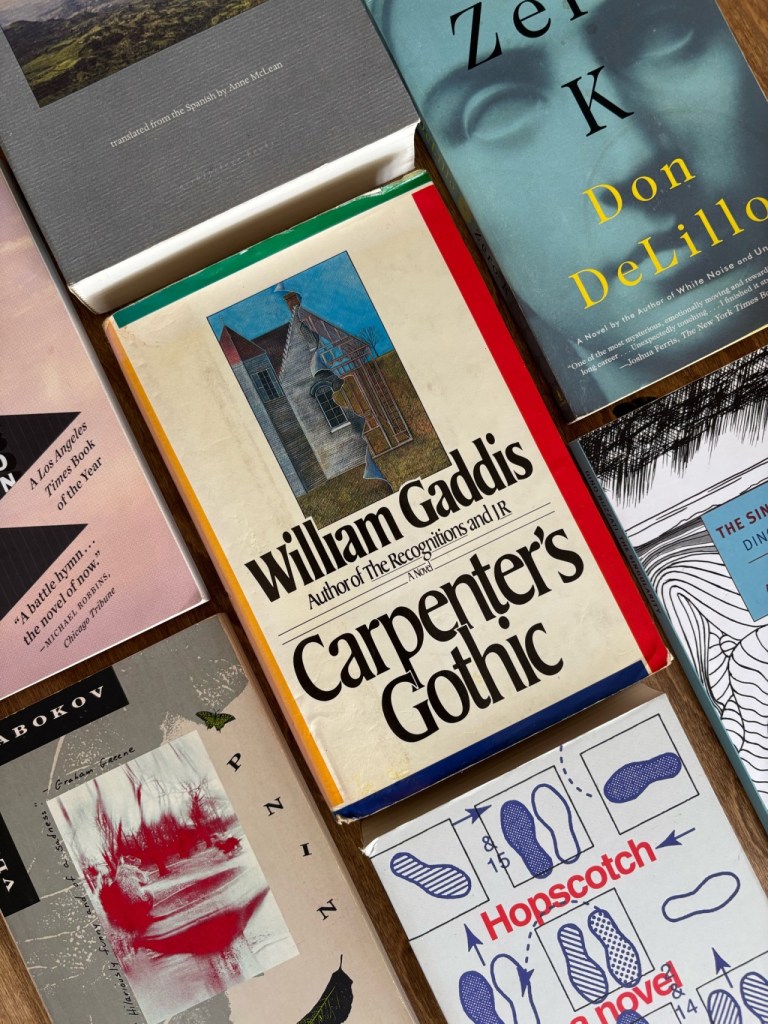
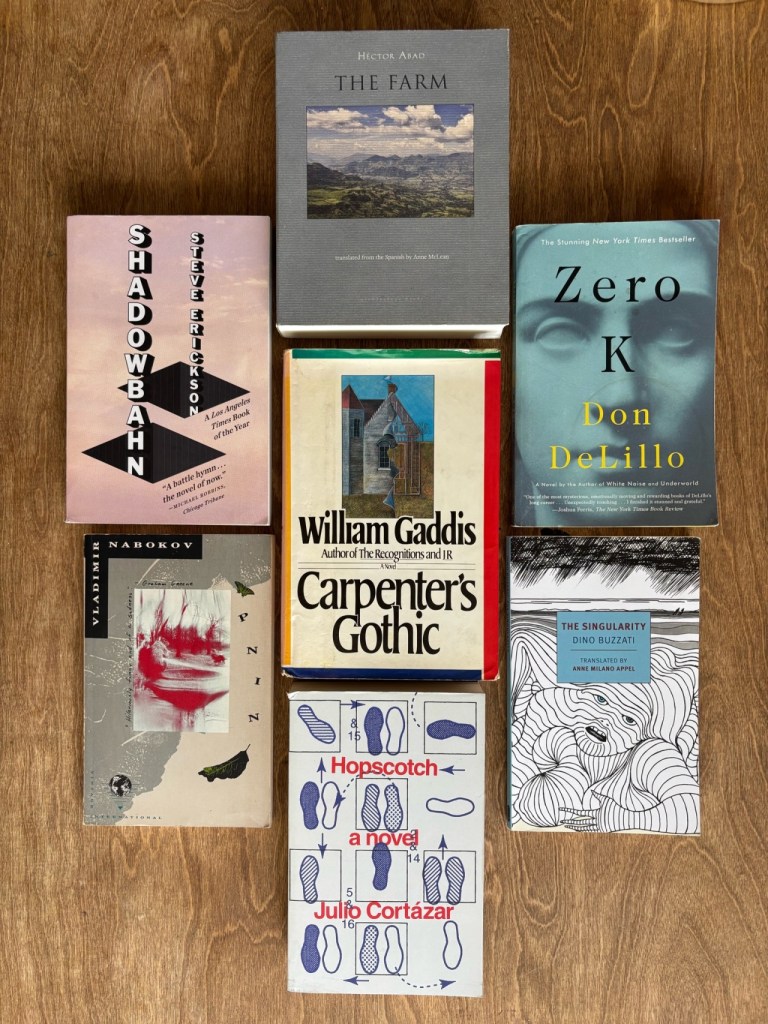
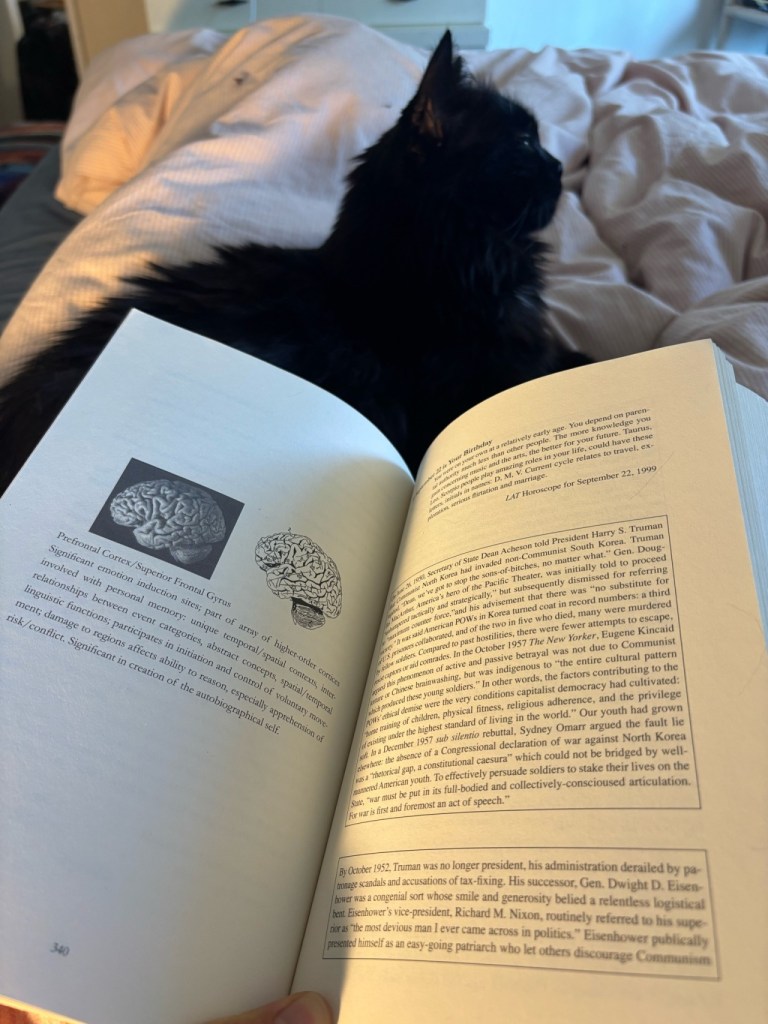
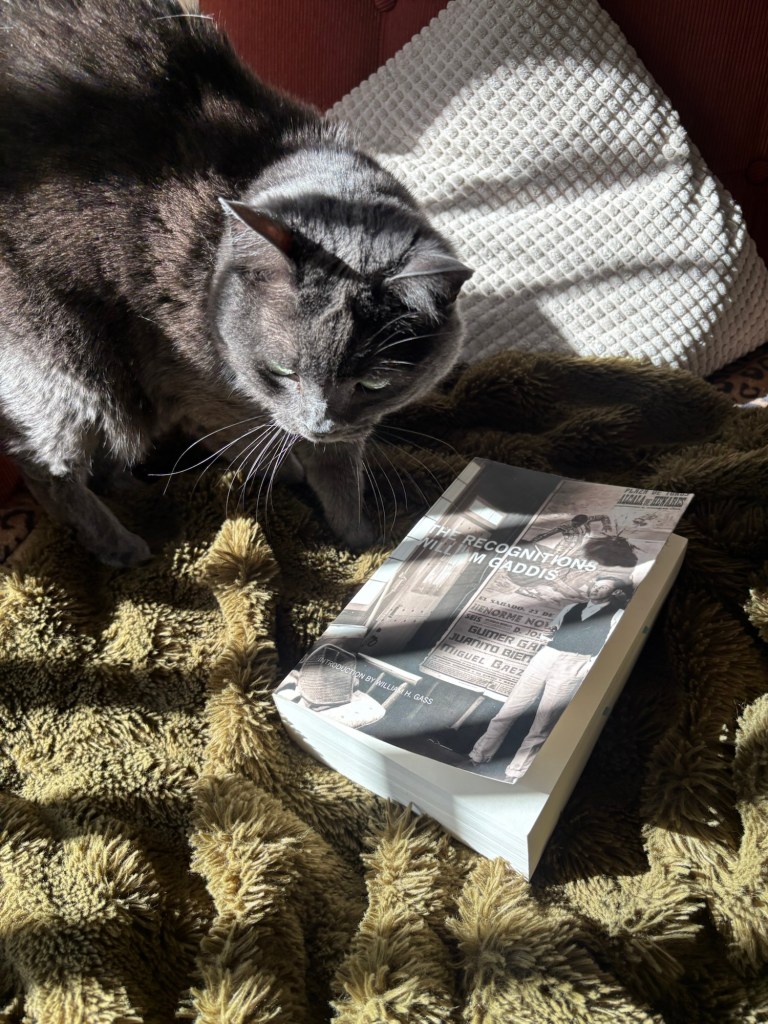
    These were collected over the span of a week from various shops. very blessed that I have 3 great local bookshops within walking distance of my place, and about 6 more within short distances by bus or bike. Spoiled rotten. Particularly stoked about the Gaddis find.

  • staring down the barrel

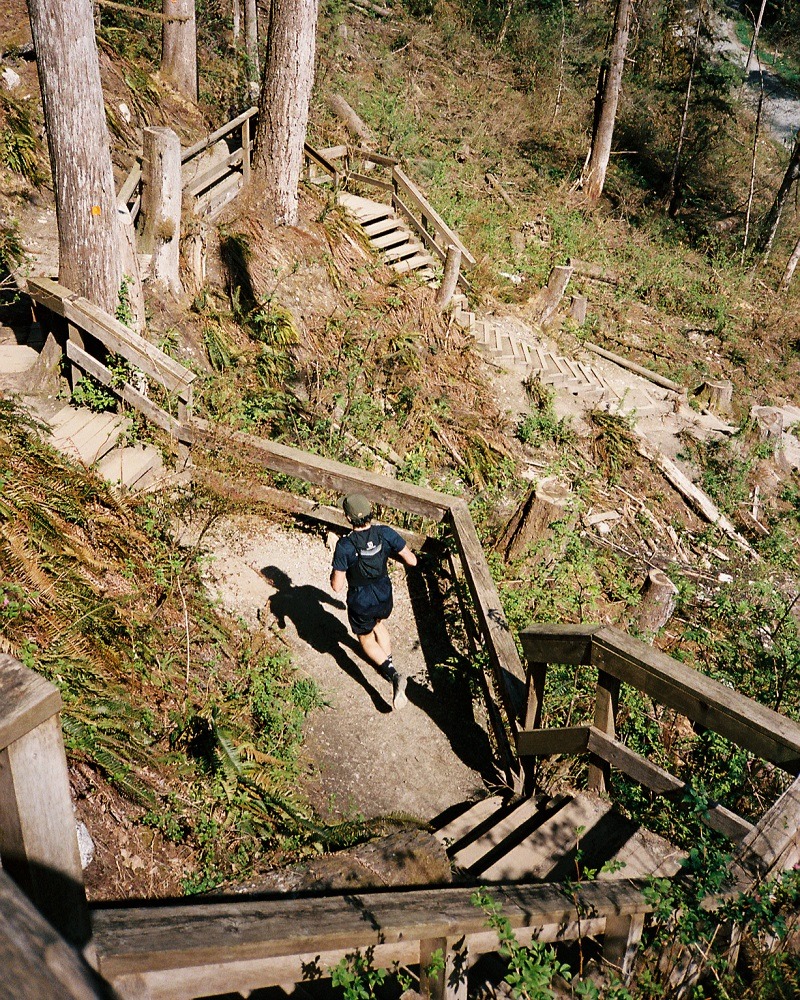
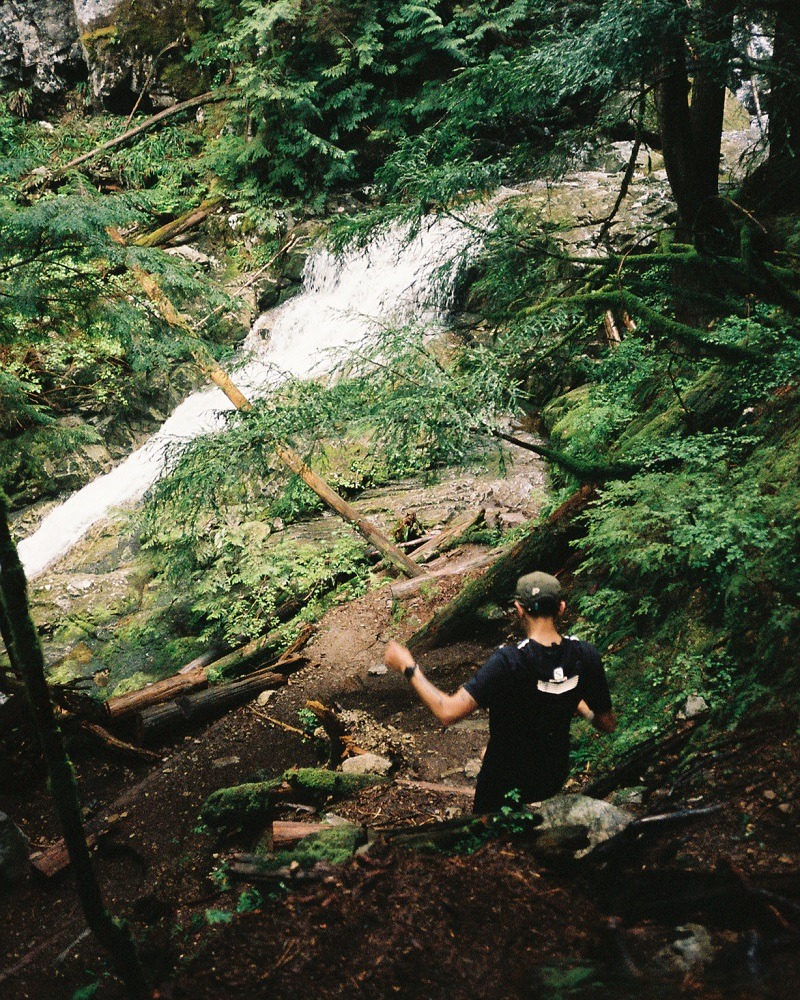
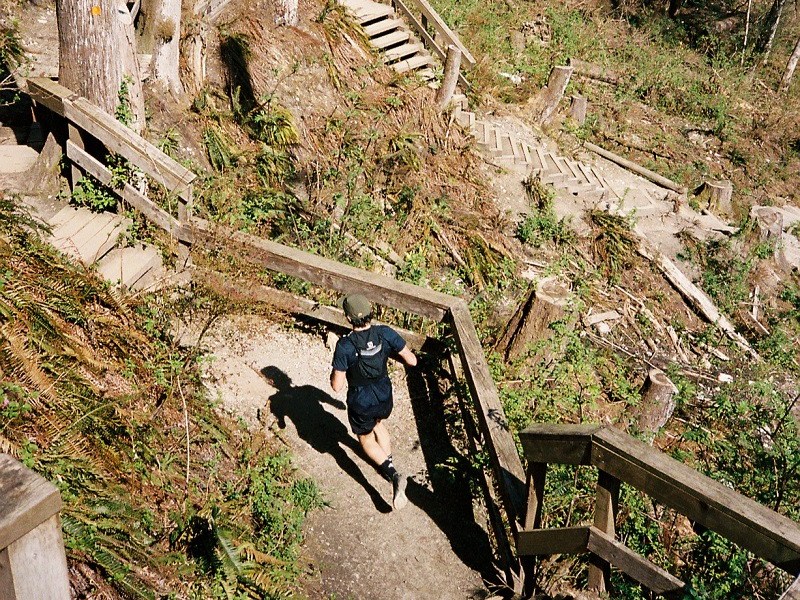
    North Vancouver and Coquitlam, BC
    Portra 400 / Yashica T4

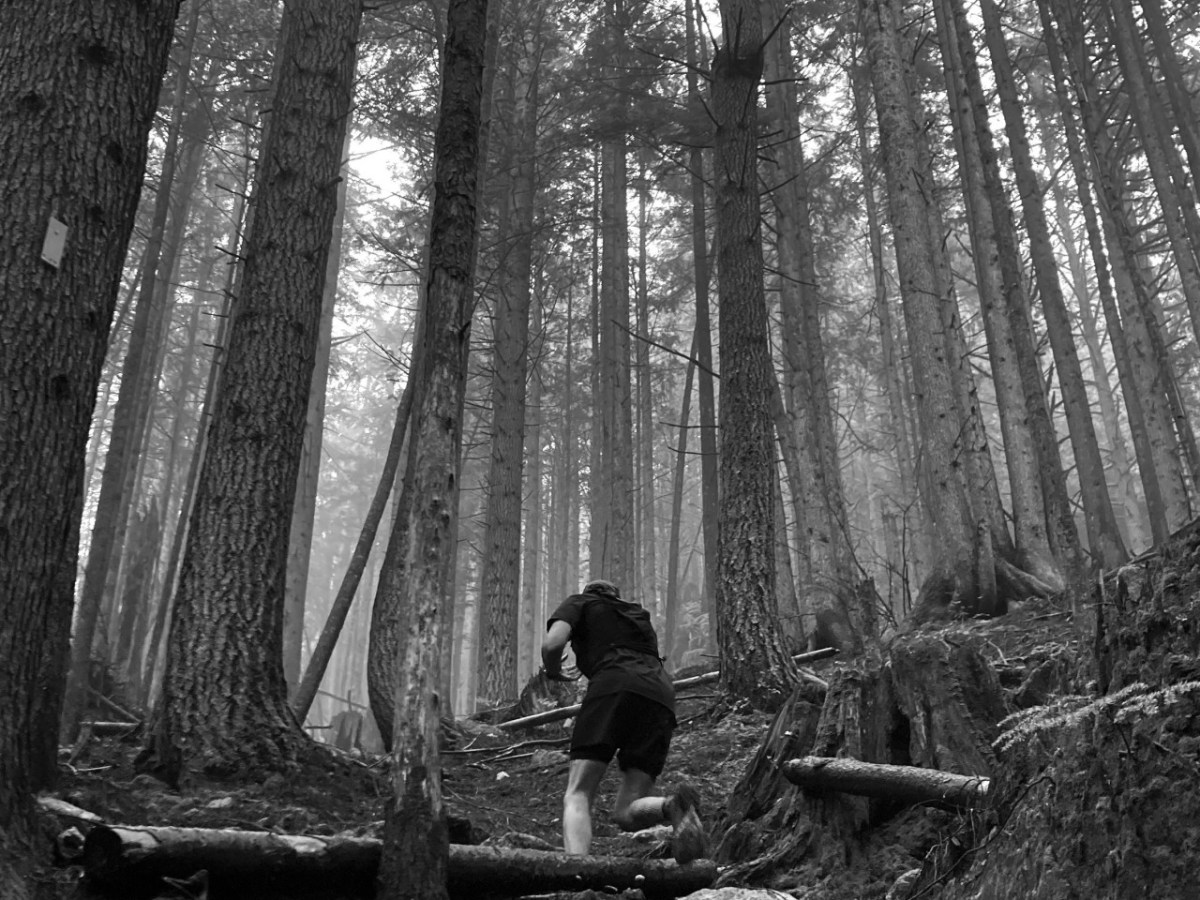
    Trail running, always staring down the barrel of a staircase or chunky descent.

  • Book Review: The Sarah Book by Scott McClanahan (2015)

    🌕🌕🌕🌕🌑

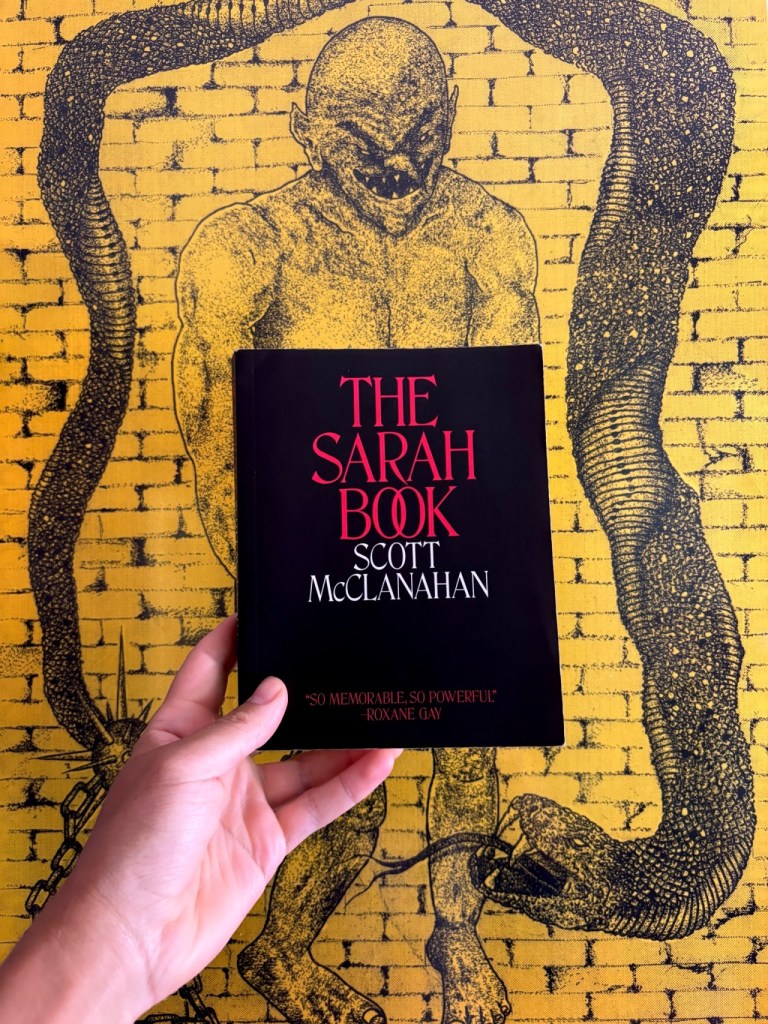
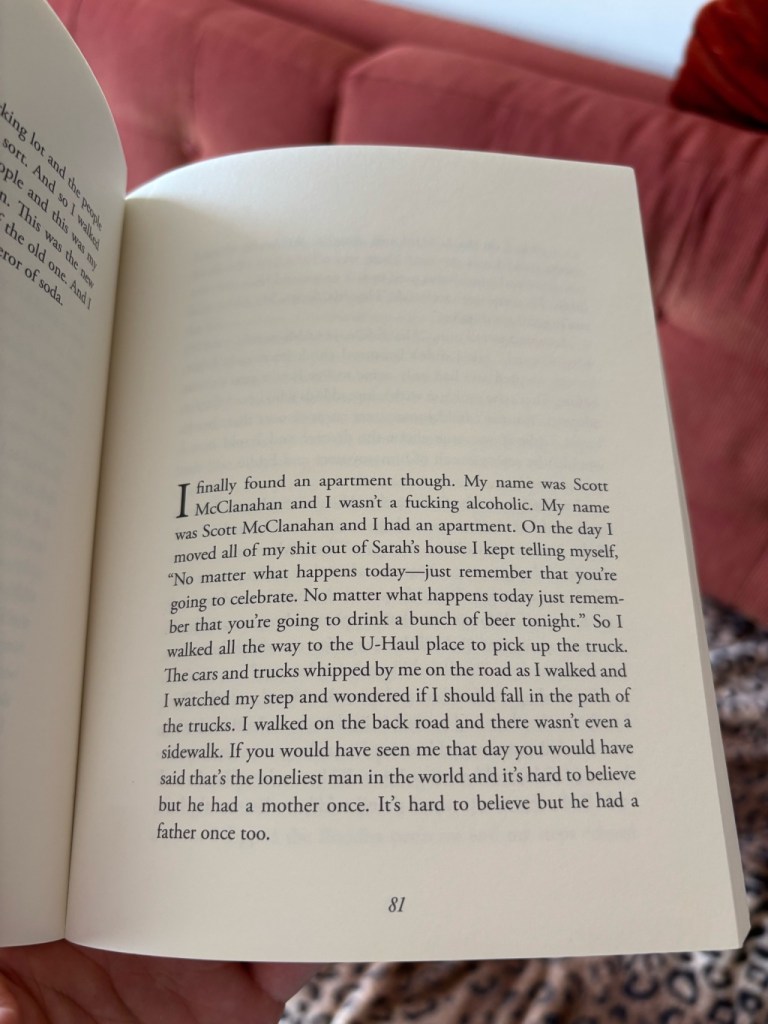
    The Sarah Book is a semi-autobiographical (I suspect even highly fictionalized) account of the divorce between Scott McClanahan and his wife, the myth, the legend, Sarah. In the novel, Sarah is a beautiful, intelligent, driven mom of two who works as a nurse, and Scott is… the king of debauchery, a man-baby who runs from his feelings and deflects any difficult emotion with alcohol, junk food, and humour (much to the reader’s delight). He is truly a pathetic little worm at times, but it’s always hard to hate him for it cause he is also just kinda dumb and self-destructive in a sad way. When Scott fails time and time again to grow up, to be a proper father and a caring husband, Sarah understandably files for divorce.

    (more…)
  • Book Review: Peace by Gene Wolfe (1975)

    🌕🌕🌕🌑🌑

    Peace is by far the most confounding Wolfe novel I’ve read so far. It reminded me more of Pynchon than anything resembling the dark fantasy he would become known for. Even on a prose level, it felt different: tighter and punchier for sure, but also less expressive. I was actually surprised to find that this was published after The Fifth Head of Cerberus, because I enjoyed that one much more on a sentence-by-sentence basis. In short, this was a much different Wolfe than the one I fell in love with.

    (more…)
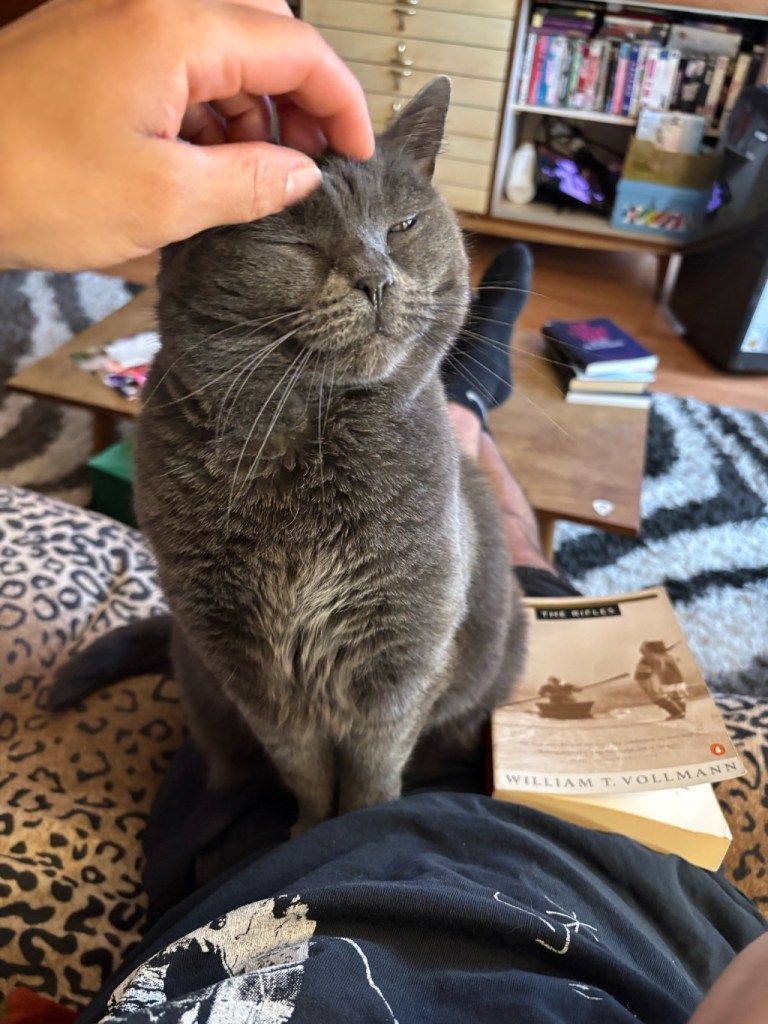
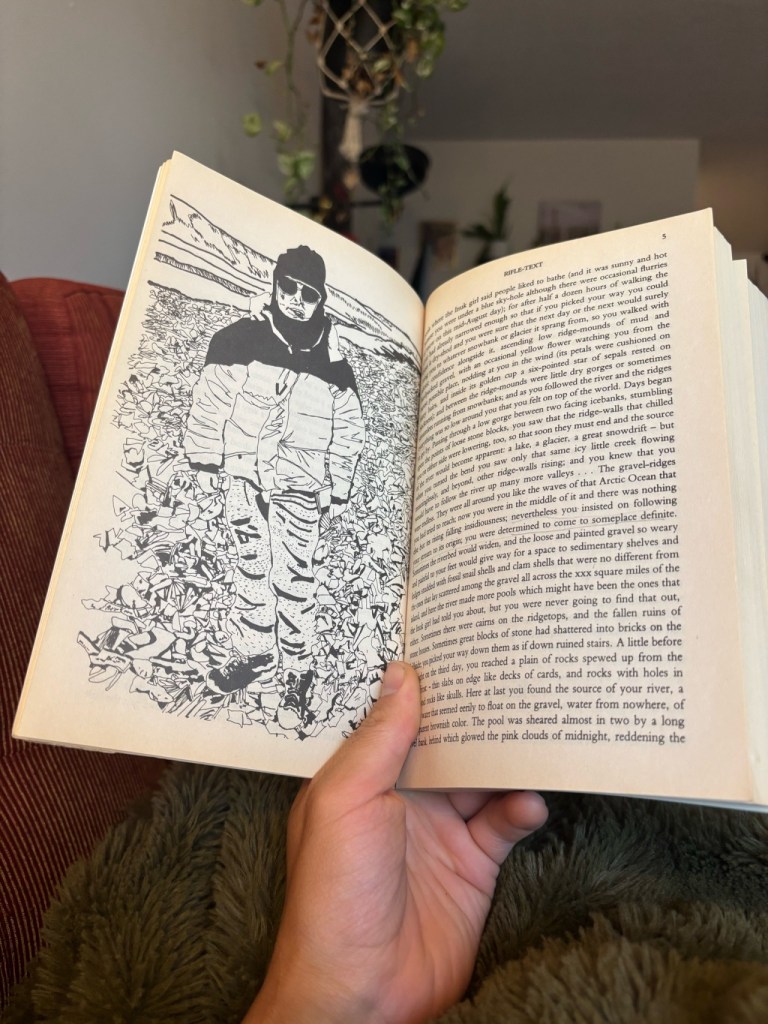
  • Book Review: The Rifles by William T. Vollmann (1994)

    🌕🌕🌕🌕🌕

    It’s been a long time since I’ve read a book that feels… unreviewable—at least in the way that I would normally tackle a review by trying to understand the “why” that connects the various themes and events or by relaying the reading experience through a reflection of my own life. The Rifles is just not relatable like that, it aspires to so much more than a mirror for the reader to find themselves in.

    (more…)
  • microfiction: The Bridge

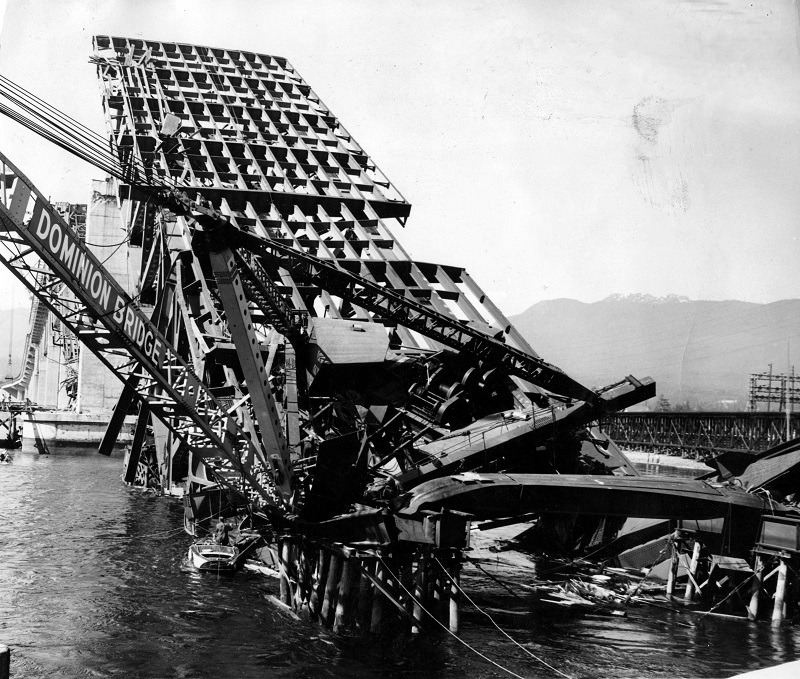
    forty-five feet above the inlet, with harnesses hoisted above their heads like angel wings, men in hard hats click-clack-clammered steel beams into pillars of stone. they were building an artery, opening new avenues of expansion into the dark, forested heart of the opposite shoreline, and they would die for it. watching the incident from below, the colossi cranes resembled the pudgy forearms of a giant baby, toppling a tower of blocks with a gurgle of joy as toy soldiers crashed into the waters below.

    an engineer, now disgraced, hangs his head in shame, nodding to the rhythm of the gavel. the support beam should have held, your honour. it should have, but it didn’t. a fraction off on the math and there went the bodies, one, two, three, falling like ospreys into the blue bath of concrete, but these men did not return to the surface grinning with sunfish in their beaks, they were driven into the riverbed like nails, entombed in the materials of their labour.

    but we wiped our tears, and the artery was completed. civilizations have lost more for less, said the news anchor, but when the bridge went bang a year later, the conversation took on a less ambivalent tone. to destroy such a valuable piece of infrastructure, the news anchor said, red in the face, one that men gave their lives for, no less, why, it’s unthinkable! but kids will be kids, and dynamite is so easy; it feels like gold in their hands.

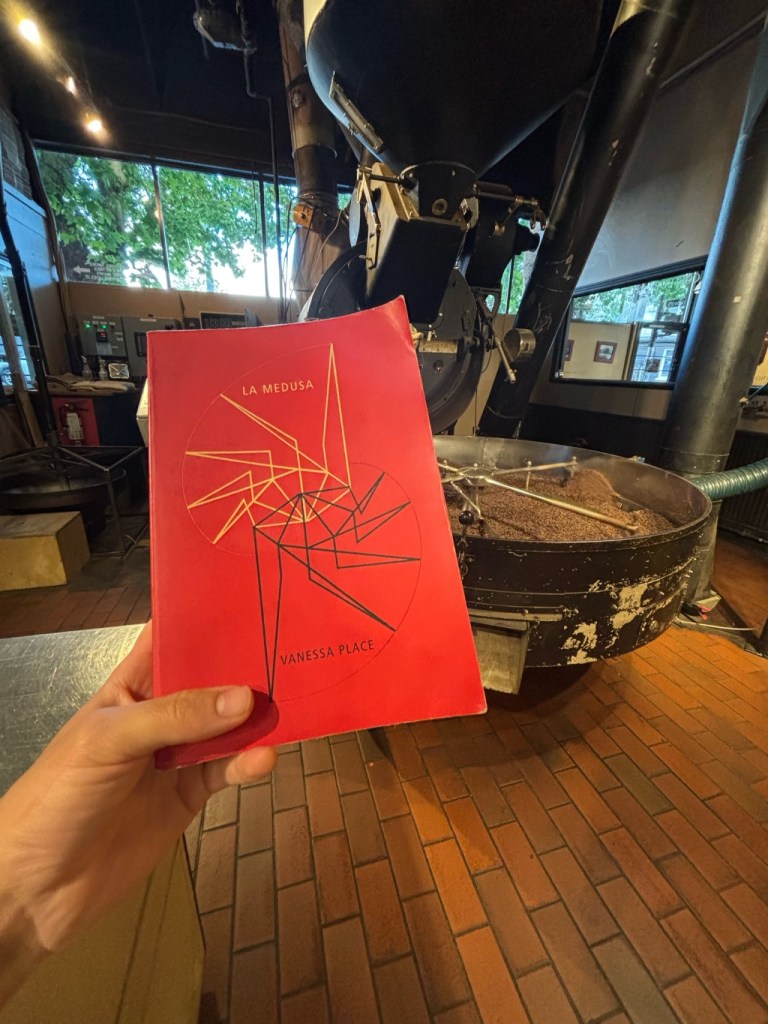
  • Book Review: La Medusa by Vanessa Place (2008)

    🌕🌕🌗🌑🌑

    I’ve never read a book before that so violently resists the reader. Trying to navigate the gauntlet of La Medusa felt like having knifes thrown at me from the page. I was constantly ducking and weaving, but mostly just getting stabbed in the cranium by long sections of gibberish, wacky text formatting, and a narrative that was rapidly shifting between perspectives and styles (at one point bouncing from a nine-page poem to a children’s fairytale to a slapstick screenplay starring Medusa and Saint Patrick) and splicing itself open at random to make way for History Channel facts and emergent voices from beyond the third and fourth walls. I quickly learned to roll with the punches and focus more on the hip-hop-influenced rhythm of the prose than the meaning of everything being said, but I think by doing so I only gave in to another one of the books many diversions. It ultimately doesn’t matter how entertaining the final frontier of postmodern linguistics is when you find yourself 150 pages into a novel and feel like you haven’t absorbed anything of meaningful value yet.

    (more…)
  • Book Review: The Emigrants by W. G. Sebald (1992)

    🌕🌕🌕🌕🌕

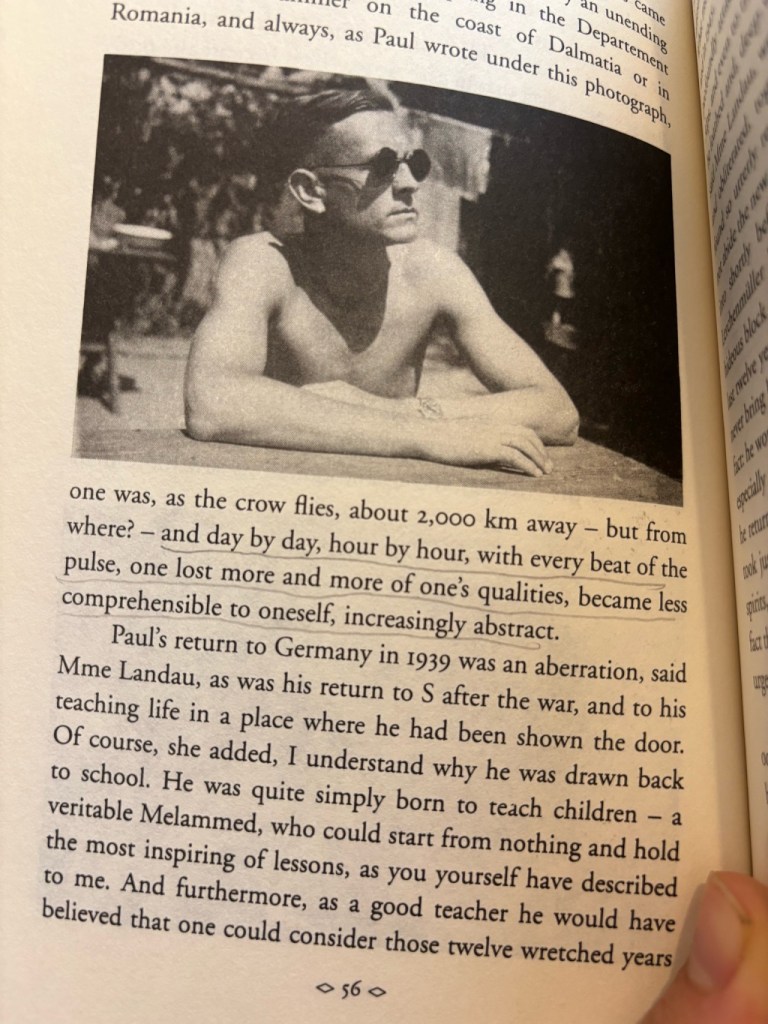
    I’m at a loss for words. How do you “review” a human life?

    There are a multitude of lives packed inside this book—stories within stories that have been swept under rugs, scattered amongst ephemera, crumpled in the back of desk drawers, scrawled in notebooks and journals, buried in the dust of architecture. Despite the novel’s focus on four individuals, each life becomes a window into a thousand more. Victims of war and genocide do not exist in a vacuum after all; their stories and their pain are passed down through generations.

    (more…)