

Tag: sci fi

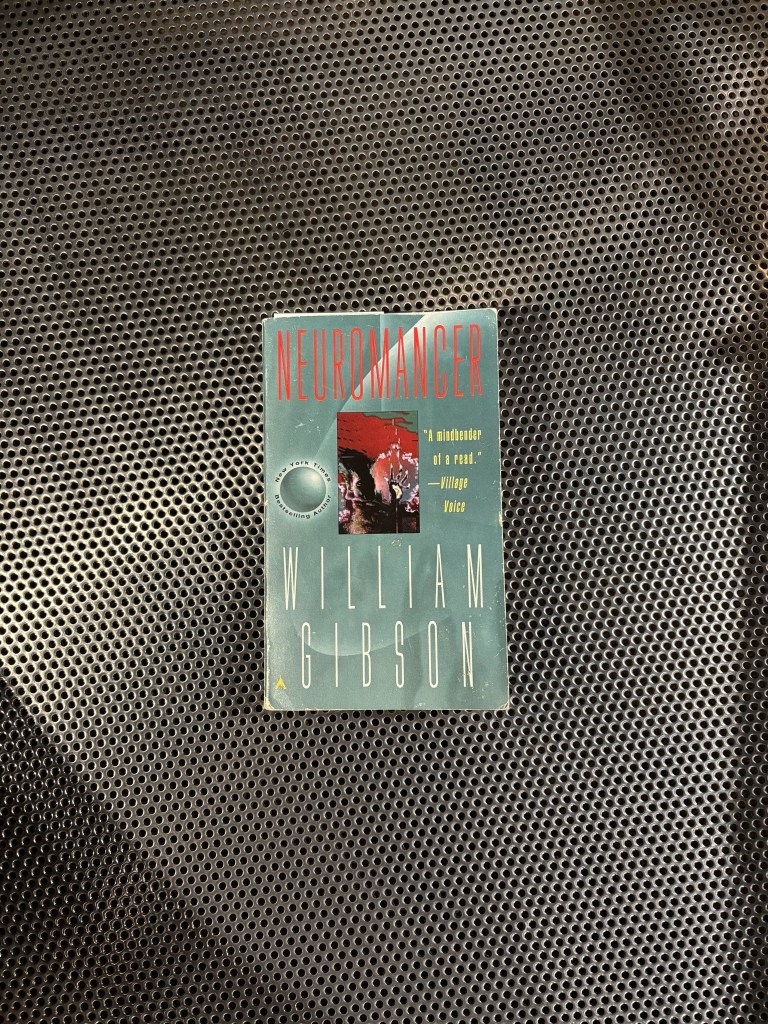
  • On the Utility of Stoicism in William Gibson’s Neuromancer (1984)

    The first time I read Neuromancer, I didn’t understand it. It was thrilling, yes, visionary, even—a prophetic tale of dystopian tech drenched in degenerate psychedelia and hardcore action—but also so, so confusing. Gibson does not hold the reader’s hand. In a 1999 interview, he opines that we “live in an incomprehensible present” and that it is not his duty to explain the present but merely to illuminate the moment and make it accessible. If making incomprehensibility accessible was his goal, he achieved it.

    But then I read it again a few months later, and it was like putting on a pair of glasses after a lifetime of legal blindness, or activating the windshield wipers during a storm. Johnny Nash wrote a song about this feeling once.

    (more…)
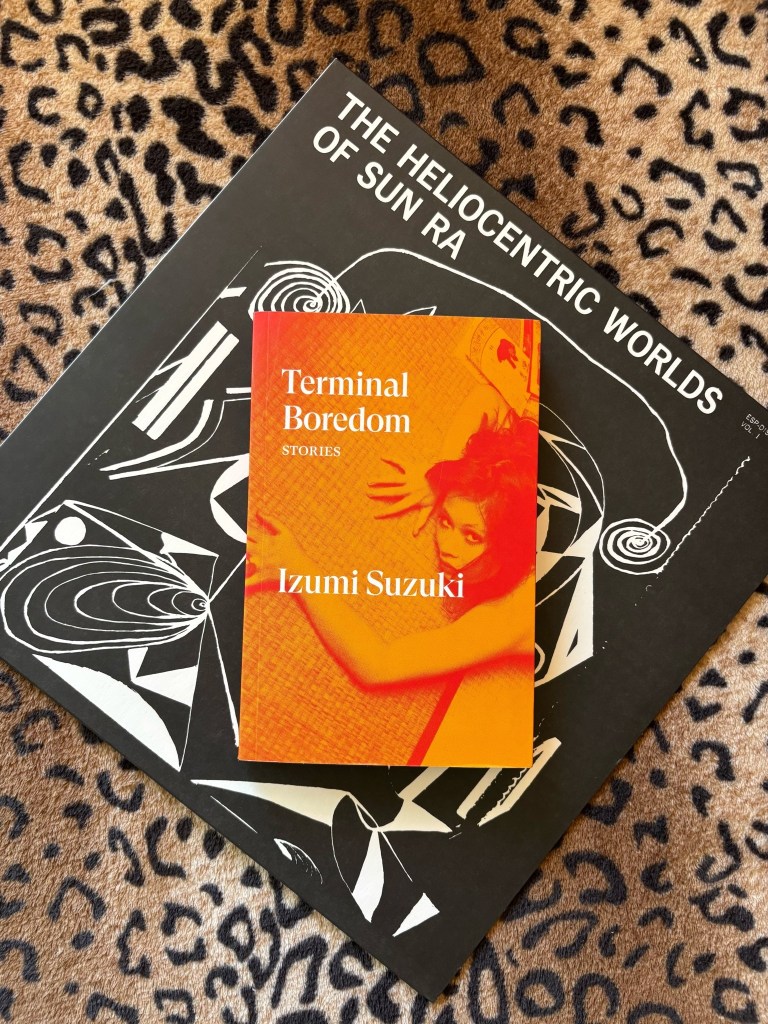
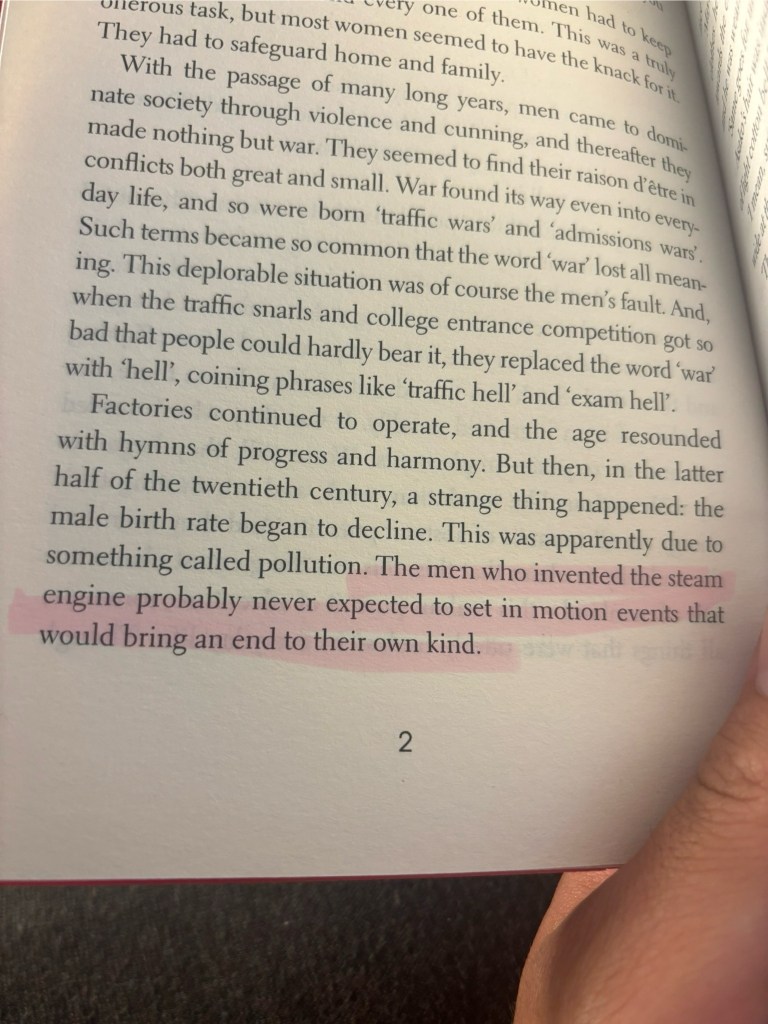
  • Book Review: Terminal Boredom: Stories by Izumi Suzuki (1977-84)

    🌕🌕🌕🌕🌑

    I used to ride skateboards with a dude who was notorious for his haphazard style. The elders of our local park nicknamed him Curveball because he was always sending tricks that were way above his skill level, and sometimes, like a drunken monk, with his arms flailing back and his center of mass way past the tipping point, he would even land them. He was a loose cannon, more a danger to himself than others, and it was exhilarating to watch.

    (more…)
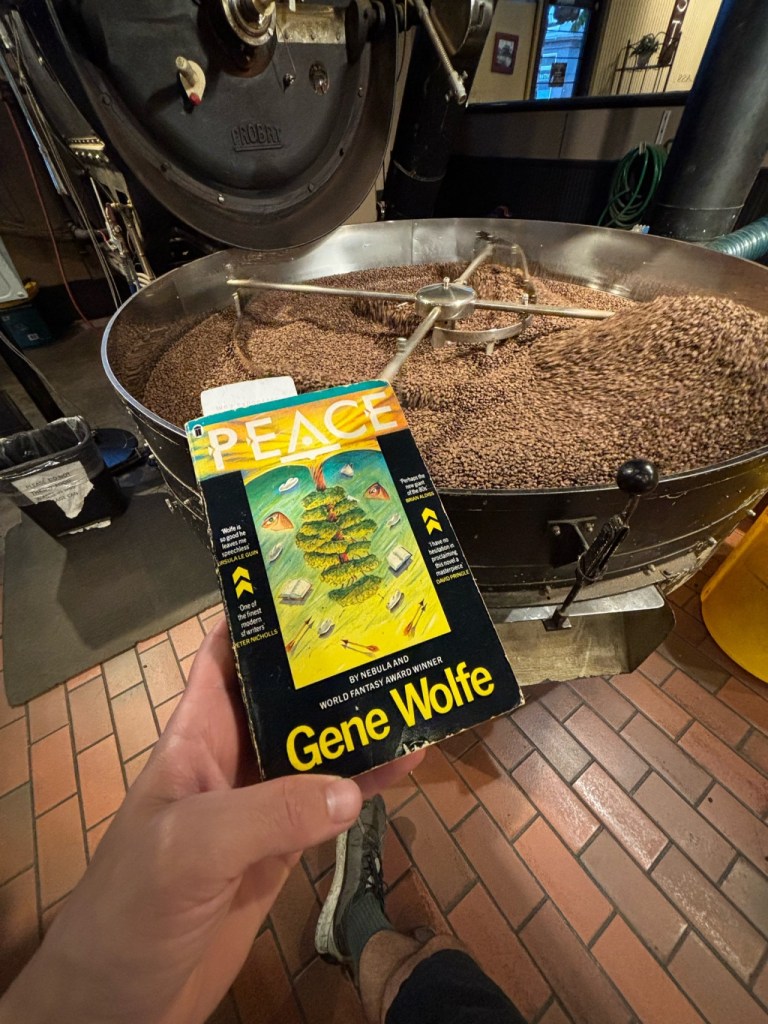
  • Book Review: Peace by Gene Wolfe (1975)

    🌕🌕🌕🌑🌑

    Peace is by far the most confounding Wolfe novel I’ve read so far. It reminded me more of Pynchon than anything resembling the dark fantasy he would become known for. Even on a prose level, it felt different: tighter and punchier for sure, but also less expressive. I was actually surprised to find that this was published after The Fifth Head of Cerberus, because I enjoyed that one much more on a sentence-by-sentence basis. In short, this was a much different Wolfe than the one I fell in love with.

    (more…)
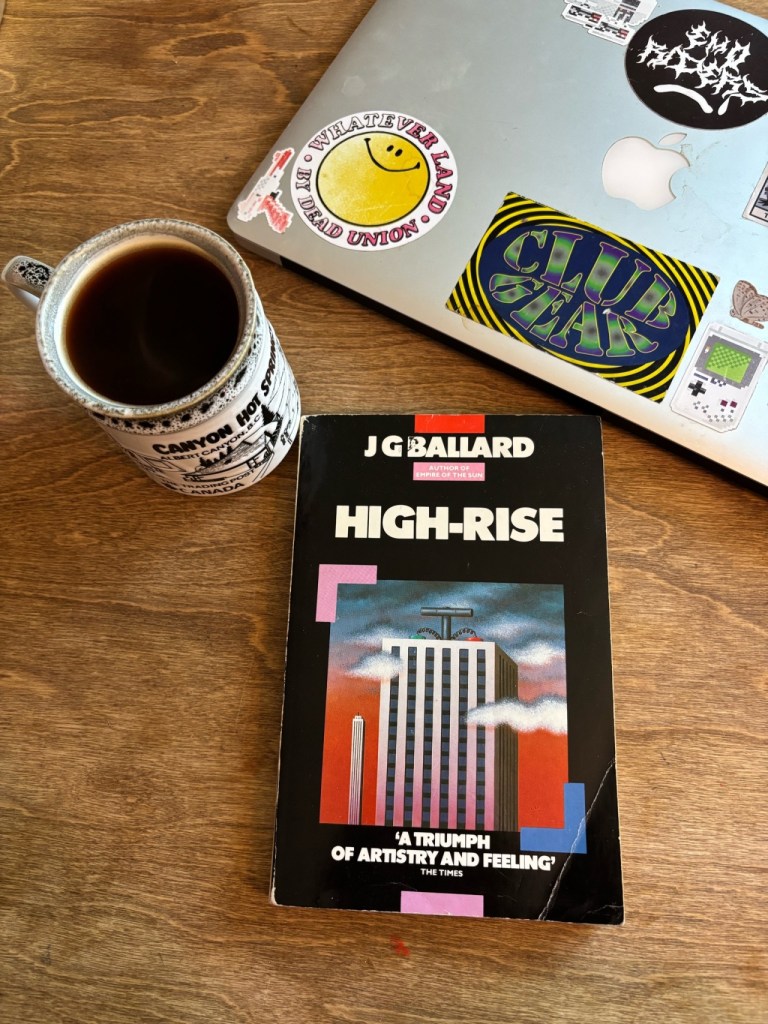
  • Book Review: High-Rise by J. G. Ballard (1975)

    🌕🌕🌕🌕🌑

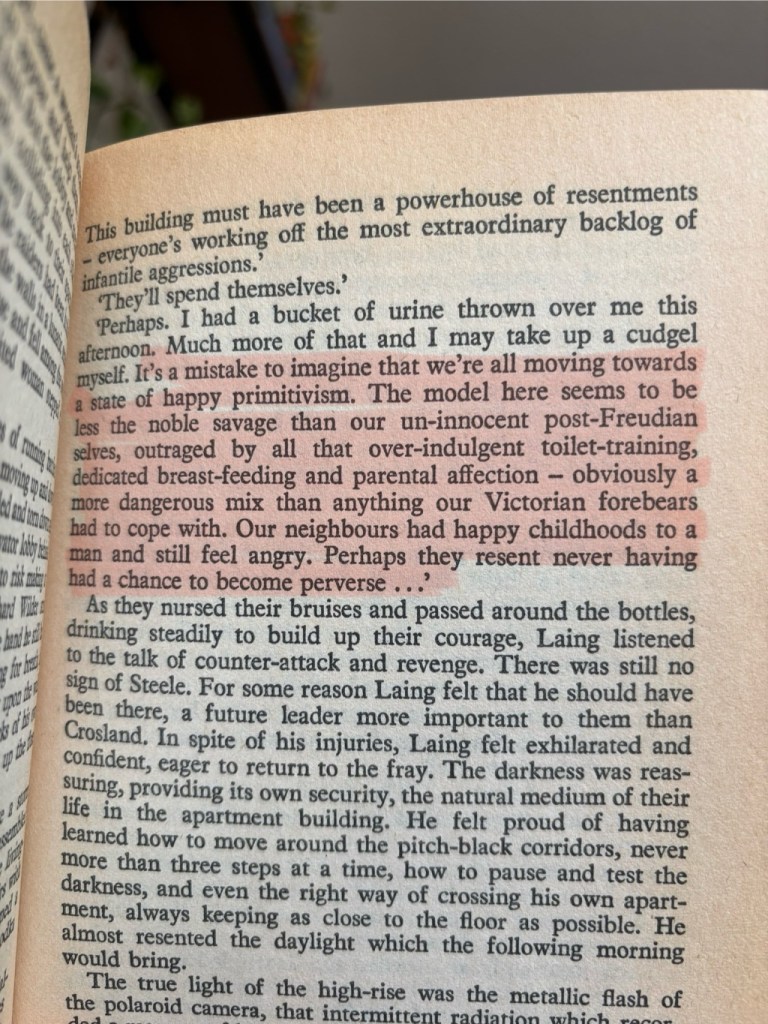
    The last (and first) Ballard I read was The Drowned World—an imperfect novel in many ways, but one with a sensory atmosphere that I’ll never forget. The humidity, the bugs, the lizards, the jungle flora, the old towers reaching out of the murky water into the glint of a blinding sun, and the ancient memories hidden in their flooded depths, I remember it all so vividly. Ballard’s sense of place is just so visceral, but he is specifically good at crafting tight-knit dialectic environments that are layered vertically rather than horizontally, often extending beyond the physical realm into the cerebral.

    (more…)
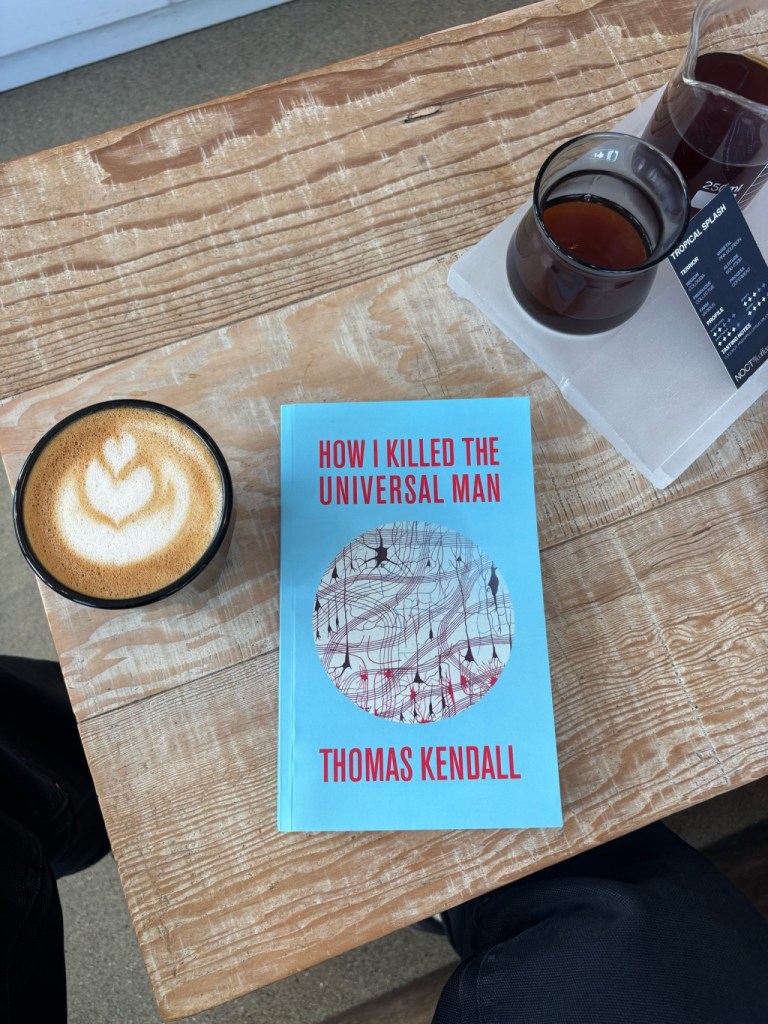
  • Book Review: How I Killed The Universal Man by Thomas Kendall (2023)

    🌕🌕🌕🌕🌑

    How I Killed The Universal Man both met and completely subverted my expectations. I was prepared for a Dickian sci-fi novel about pervasive tech and experimental drugs in a not-so-distant hypercapitalist future, but I was met with something much stranger and, ultimately, more human. Kendall draws you in with the story of Lakerman, a burnout journalist working on a gonzo piece about a new antidepressant called Noumenon and its head researcher who has mysteriously vanished, but as Lakerman signs up for the pharmaceutical trial and becomes inundated with chemicals and biological implants, Kendall yanks the sink plug, and the narrative begins to spiral rapidly downwards through several layers of virtual and hallucinatory abstractions.

    (more…)
  • Book Review: Rocannon’s World by Ursula K. Le Guin (1966)

    🌕🌕🌕🌗🌑

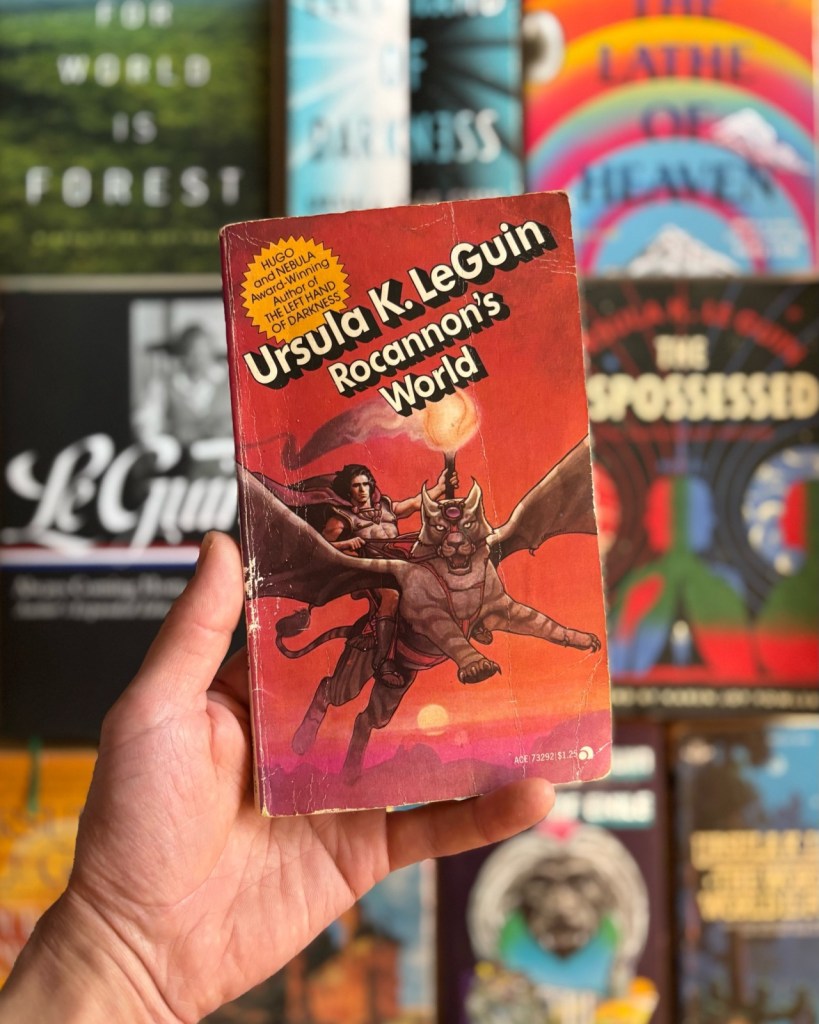
    I am a huge advocate for always keeping some vintage science/fantasy paperbacks in your TBR stack as a way to replenish your whimsymeter in between postmodern anguish simulations. Embracing the pure joy of imagination and storytelling is the best ward against all sorts of reading slumps, mumps, bumps, and lumps, and I can’t think of a better author to fulfill that role than Le Guin. Not only will she refill your whimsymeter, she will stimulate your brain and satisfy your soul at the same time. Even in her first published novel, she was writing with a level of intelligence and empathy that far outweighed most of her peers. Rocannon’s World may be her pulpiest, most quest-driven novel (perhaps apart from Earthsea, which I haven’t read), full of swords, mystical beings, and giant cats with fucking WINGS, but it is also surprisingly complex and full of all the little sociological and technological details that you would expect from a Le Guin novel.

    (more…)
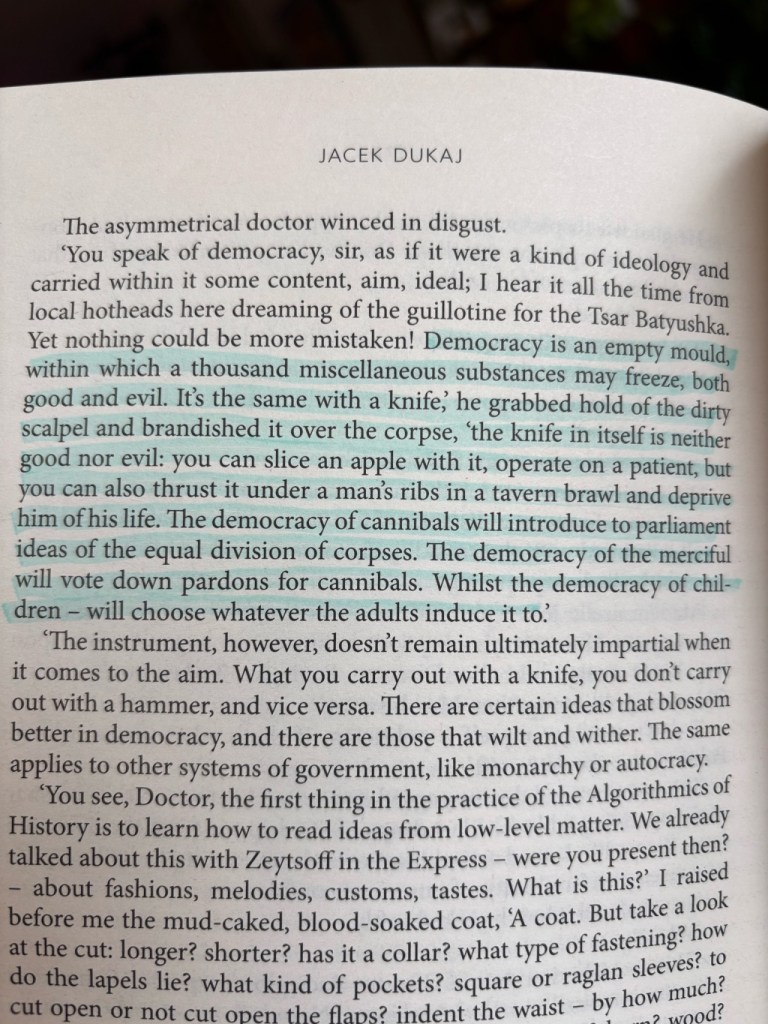
  • Book Review: Ice by Jacek Dukaj (2007)

    🌕🌕🌕🌑🌑

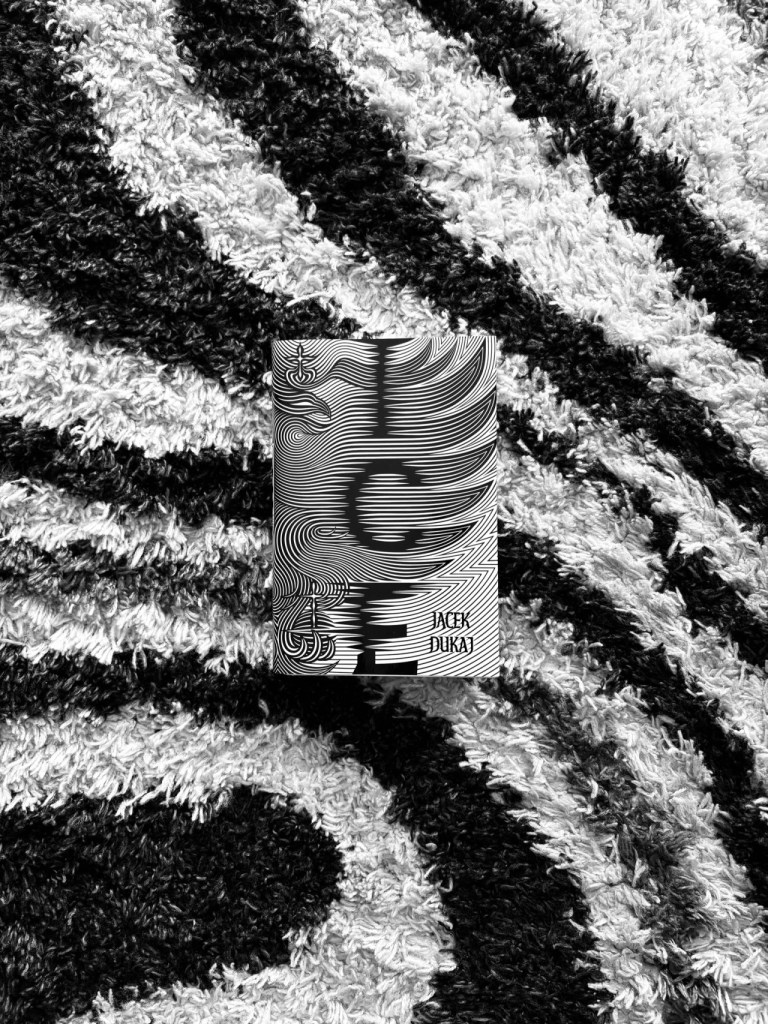
    What is this… draft five? The more I think about writing a concise & comprehensive review for this book, the harder it gets. Complex plot aside, there is just so much to unpack on a philosophical level here, and I am no philosopher. I can’t spit elite ball knowledge about Aristotle, Hegel, Kant, Marx, Heidegger, and Berdyaev (who am I forgetting?) with any confidence, but Dukaj sure can. What I can say with authority is: I think I had more fun researching the theoretical subtext of Ice than I did reading its story.

    (more…)
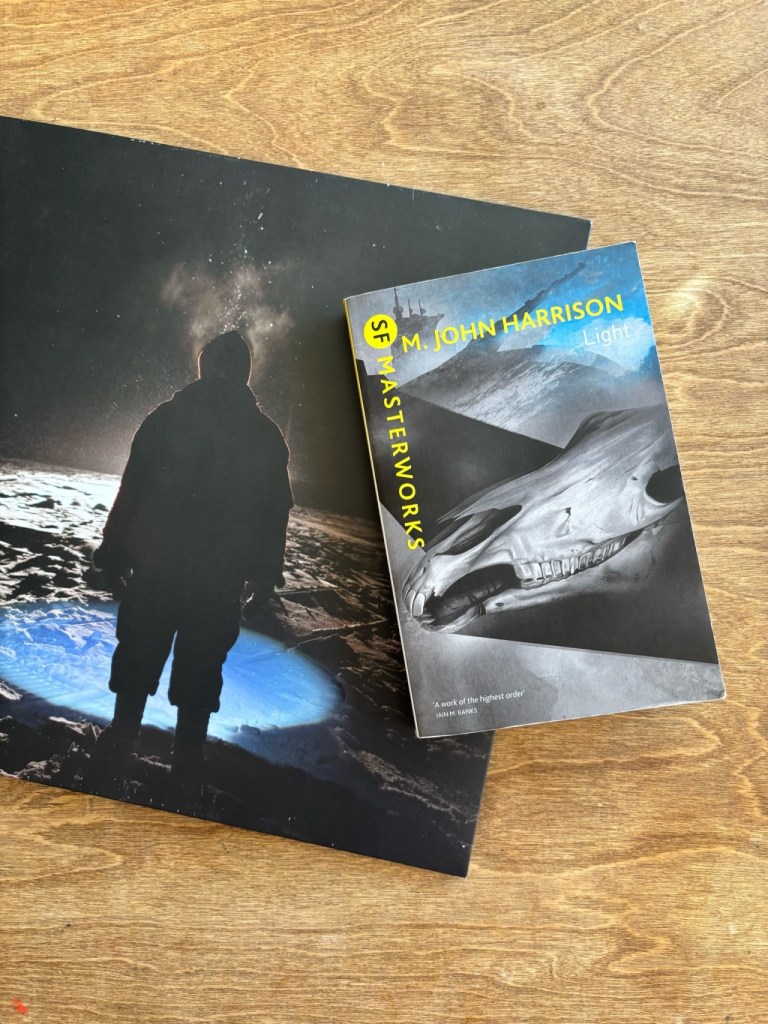
  • Book Review: Light by M. John Harrison (2002)

    🌕🌕🌕🌗🌑

    I initially found out about M. John Harrison because his Viriconium sequence is often cited on lists of ‘books for fans of Gene Wolfe,’ but I decided to go with Light as my first novel by him because, well, I found it first.

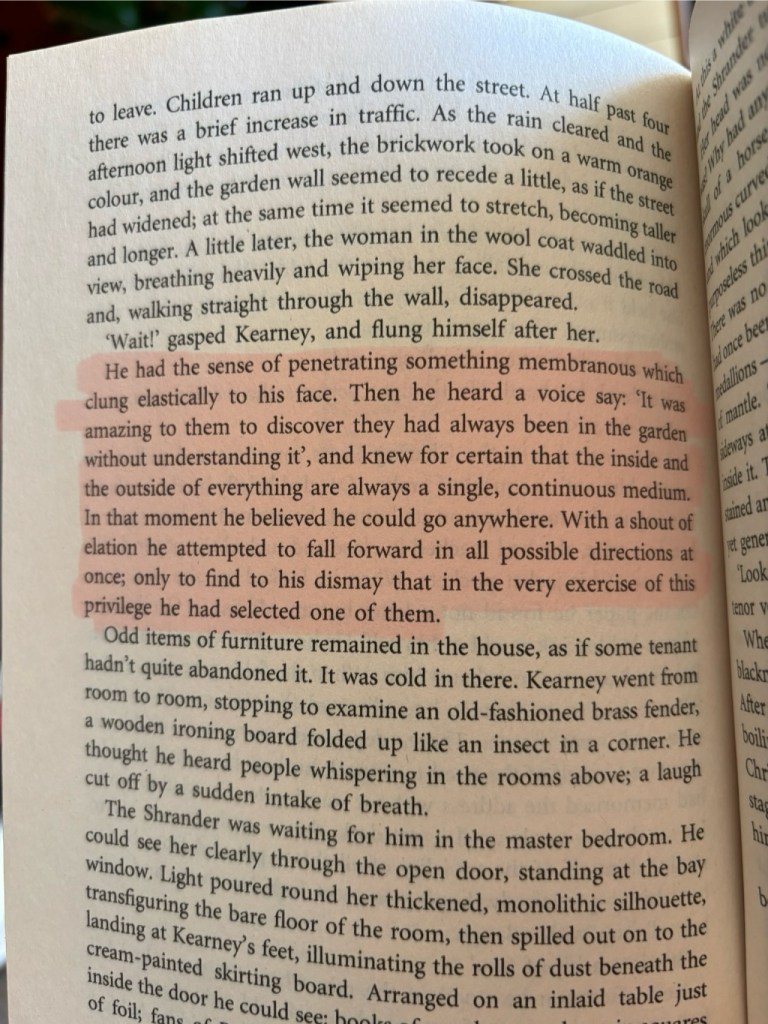
    This book was great. I didn’t know what to expect going in, but Harrison’s writing pulled me in quickly. His prose almost reminds me of a more graceful, less syntax-heavy Gibson—nimble and descriptive—but that could just be the cyberpunk influence talking. Harrison’s use of language ultimately didn’t wow me as much as his skill at constructing a story of three parallel narratives that feel deeply connected despite taking place more than a millennium apart in time. These stories are connected only by thin, omnipresent threads of light: a white cat, an anomaly in the fabric of space teeming with Lovecraftian tech, and the haunting presence of greater, potentially malevolent power.

    (more…)
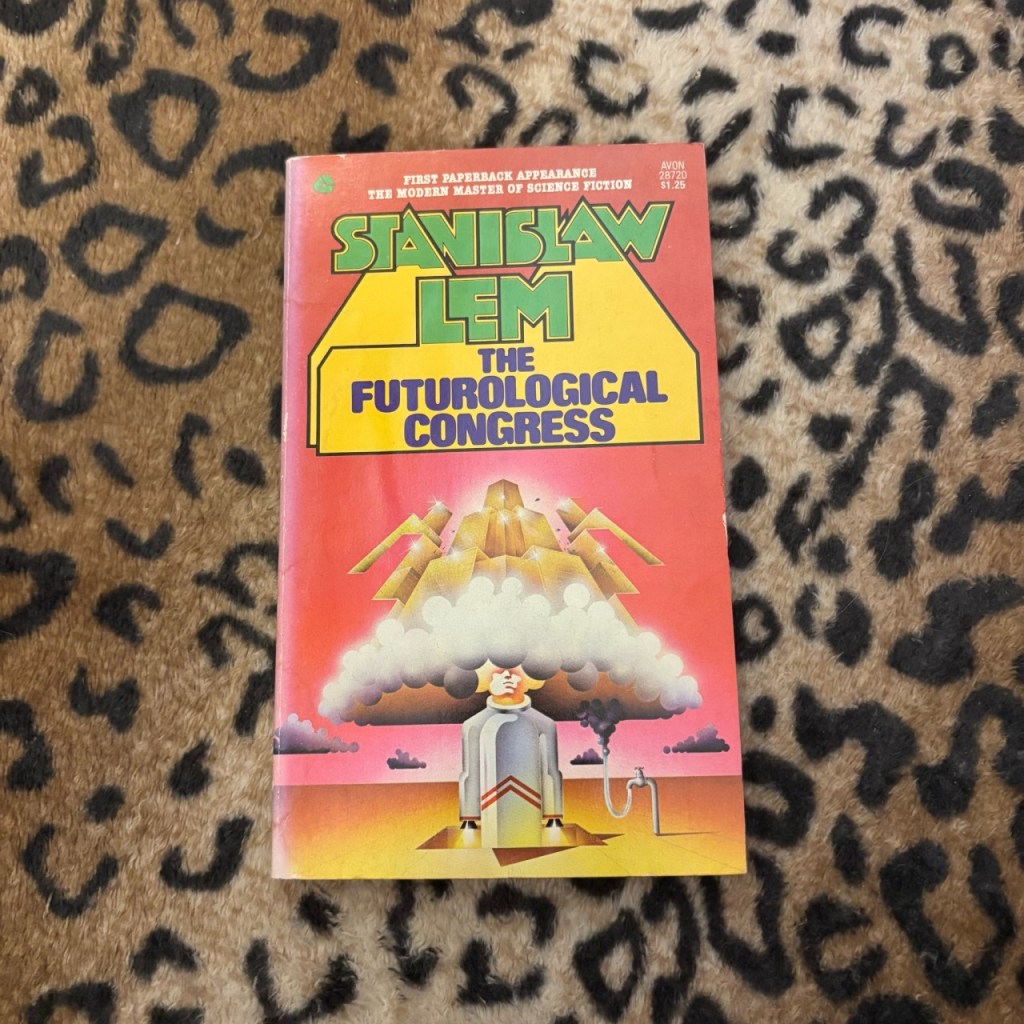
  • Book Review: The Futurological Congress by Stanisław Lem (1971)

    🌕🌕🌕🌗🌑

    The Futurological Congress is an absolute blast of a novel; 142 pages of full-throttle, balls-to-the-wall satire that revels in utter absurdity while still cutting straight for the throat with its sociopolitical critiques. Through the extrapolation of chemical warfare and unchecked capitalism, Lem envisions a world in which an entire population is under constant control of mind-altering hallucinogens and asks the question of whether or not this is a moral pathway for humanity to take if the drugs ultimately result in an egalitarian utopia.

    (more…)
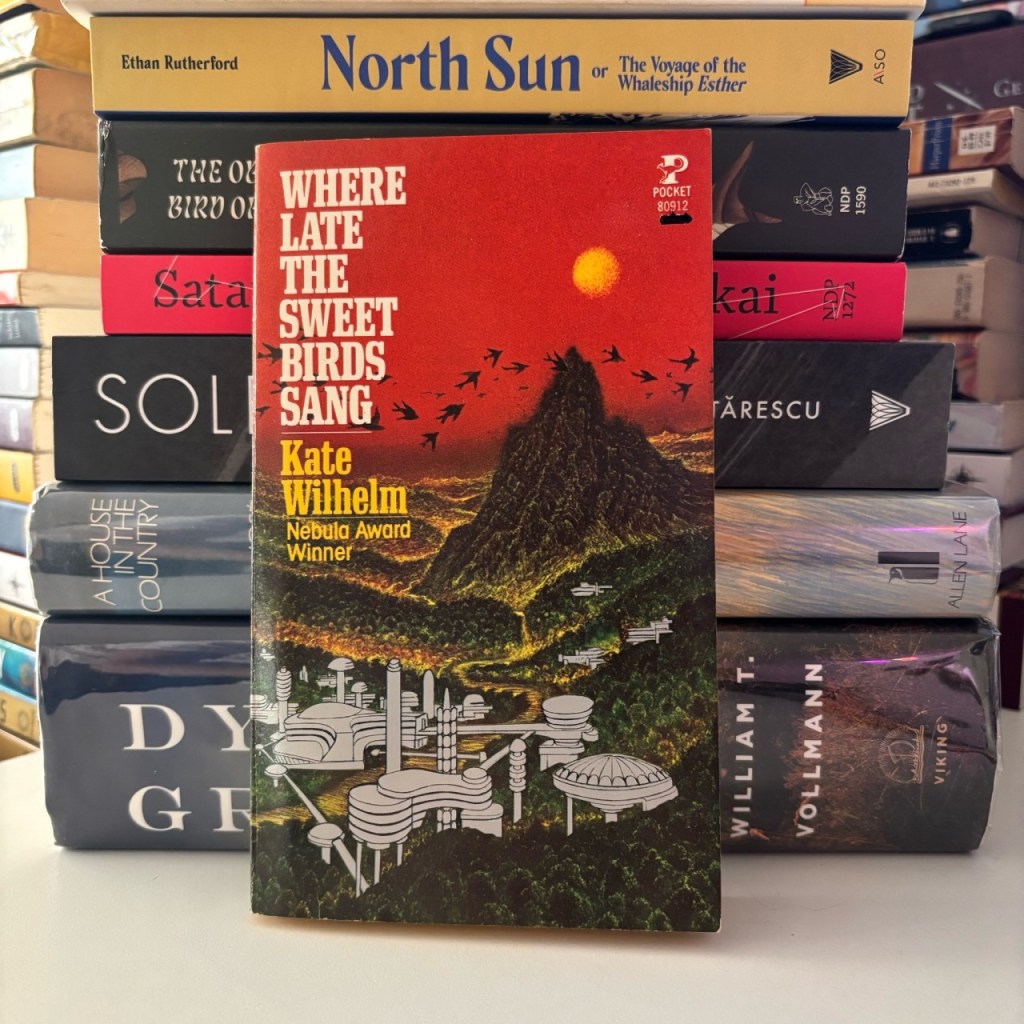
  • Where Late the Sweet Birds Sang by Kate Wilhelm (1976)

    🌕🌕🌕🌗🌑

    Where Late the Sweet Birds Sang caught me off guard in a way I didn’t expect. It is often shipped as an underrated classic, “the best novel written about cloning to date,” but it ended up being much more than that. Where Late the Sweet Birds Sang is very much an idea-focused sci-fi novel, but the experiment it lays out is more sociological than scientific, and it reads more like a generation-spanning Little House on the Prairie. Under its genre-fiction cloak is a slice-of-life family saga that explores themes of individuality and the psychological consequences of genetic uniformity. The world it portrays is one that is hanging on by the thread of biological science rather than thriving under technological capitalism; some of it even seemed very inspired by the “Children of God” cult, which was infamous in the 70s for its incest, pedophilia, and doomsday mind control. All dark themes, but Where Late the Sweet Birds Sang is ultimately a story about the perseverance of the human spirit and critical thought in the face of extinction—a theme I found encouraging, given the times.

    (more…)

Something went wrong. Please refresh the page and/or try again.