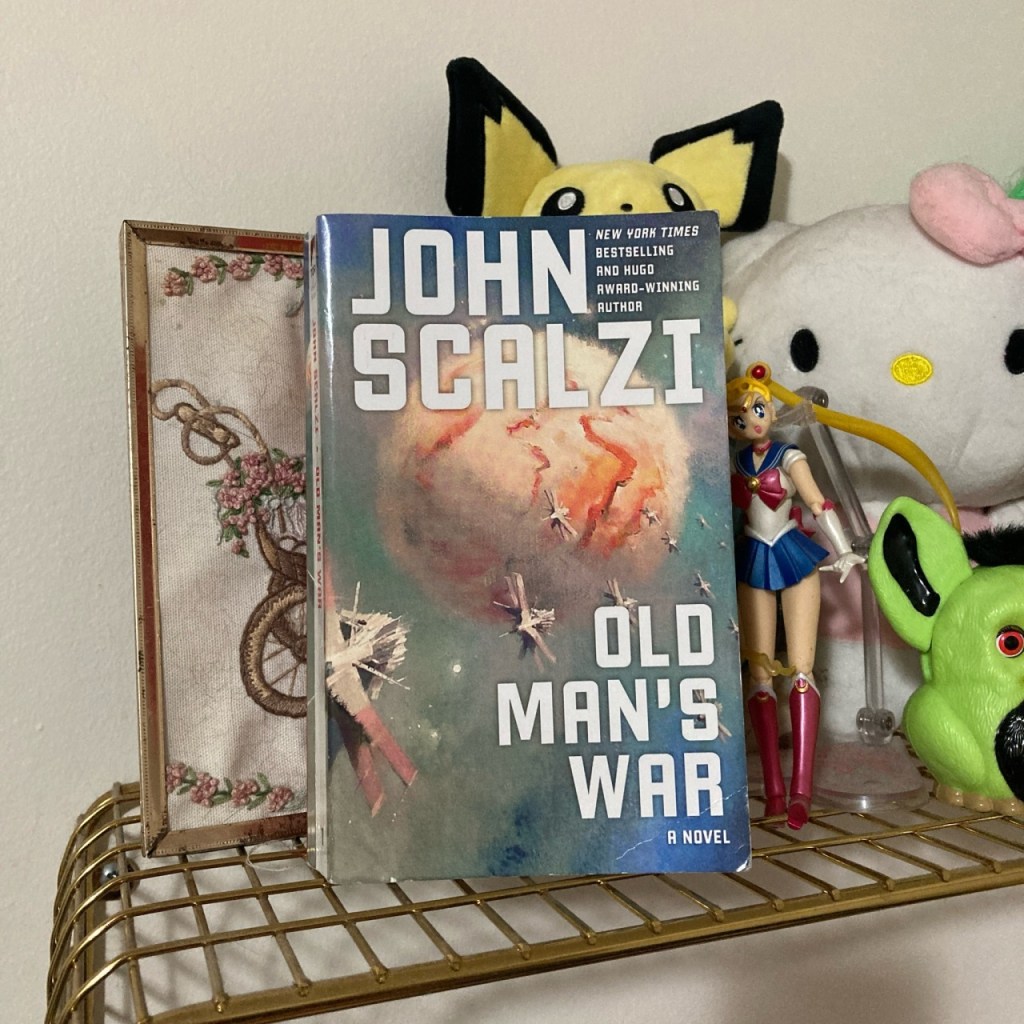
To be honest, I was a little bit hesitant to read this one right after reading Ender’s Game. Ender’s Game was just such a slog and it kind of soured me on the very male-oriented military sci-fi perspective, and with a book literally called “Old Man’s War”, I was very much expecting the same type of bland narrative.
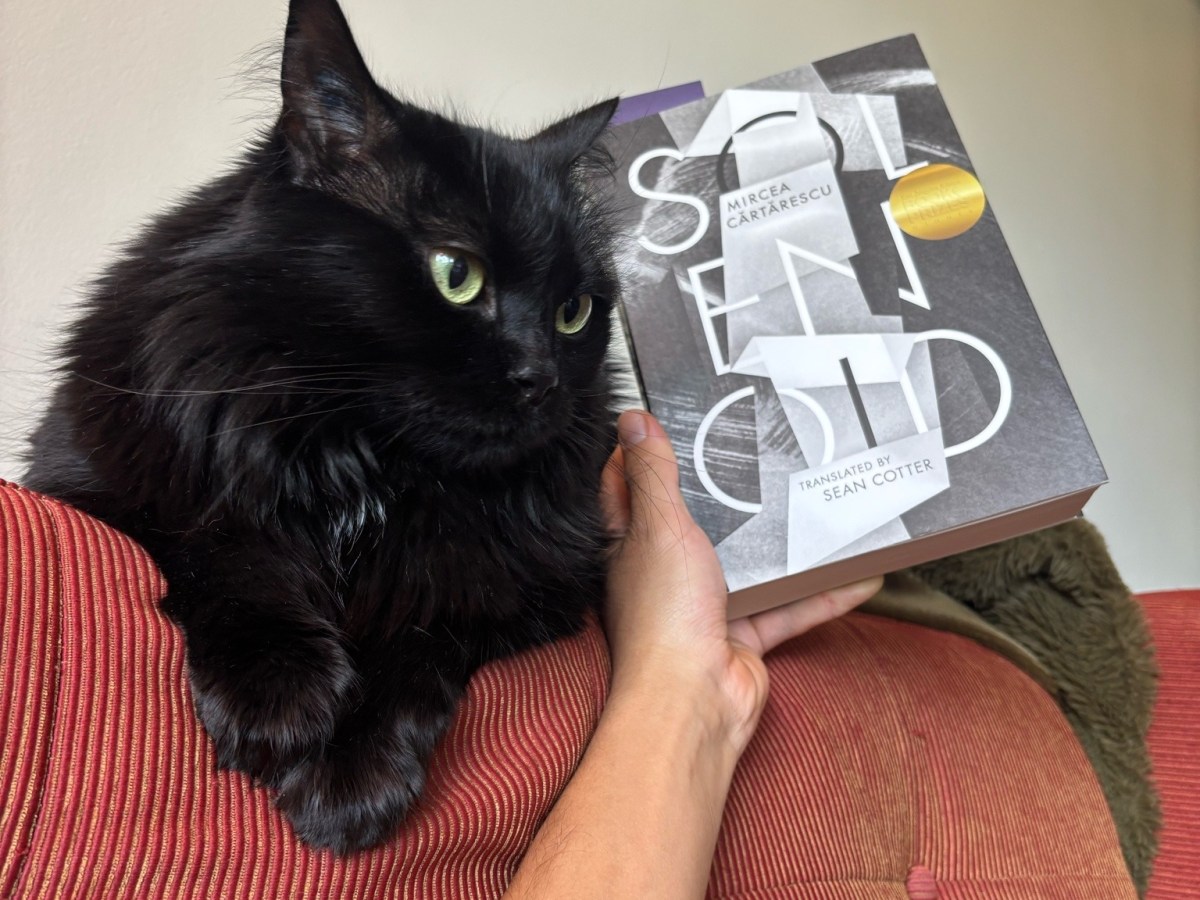
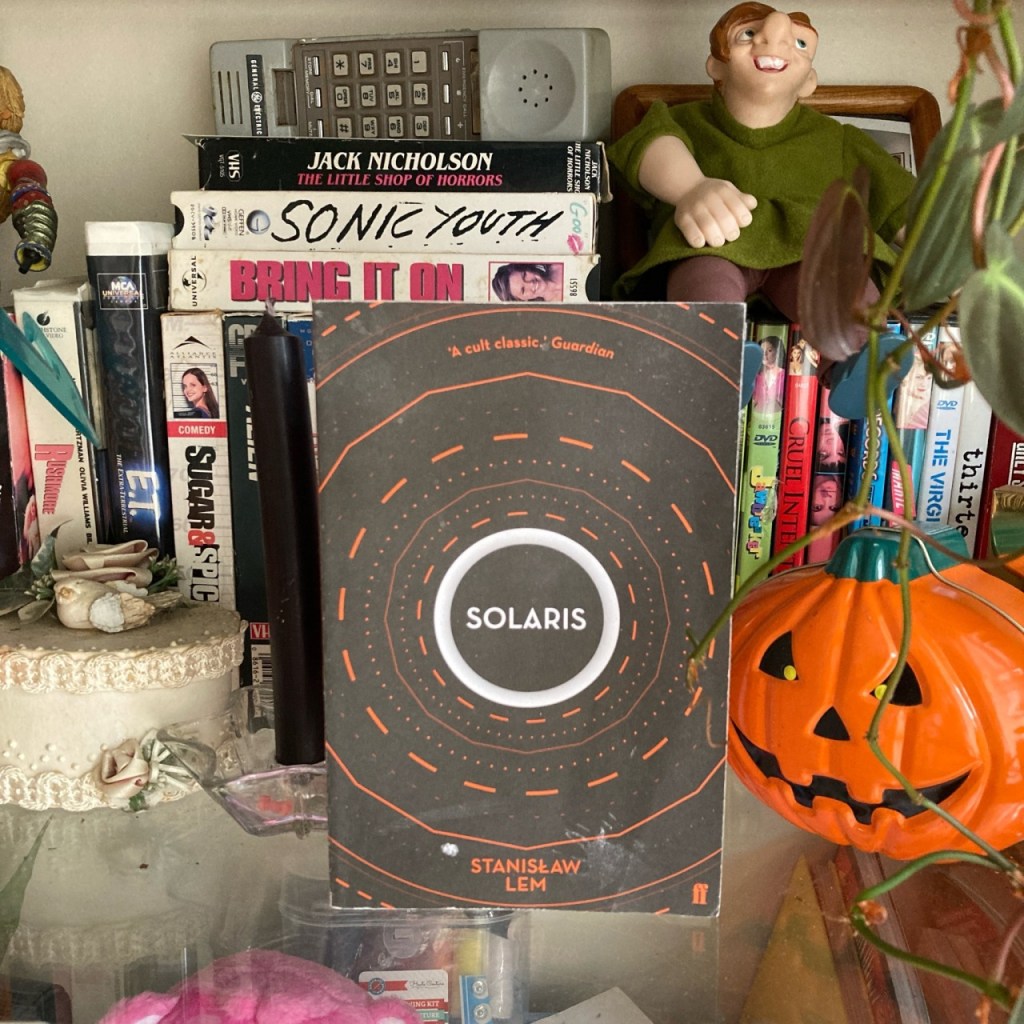
I was a little hesitant to read Solaris. Based on the synopsis, it just didn’t seem like the type of science fiction novel I was used to. There are no large scale intergalactic battles or worn down cities disintegrating under the weight of hyper-tech and late stage capitalism, Solaris’ scale is much smaller and more personal than that, but the ideas it represents are no less important.
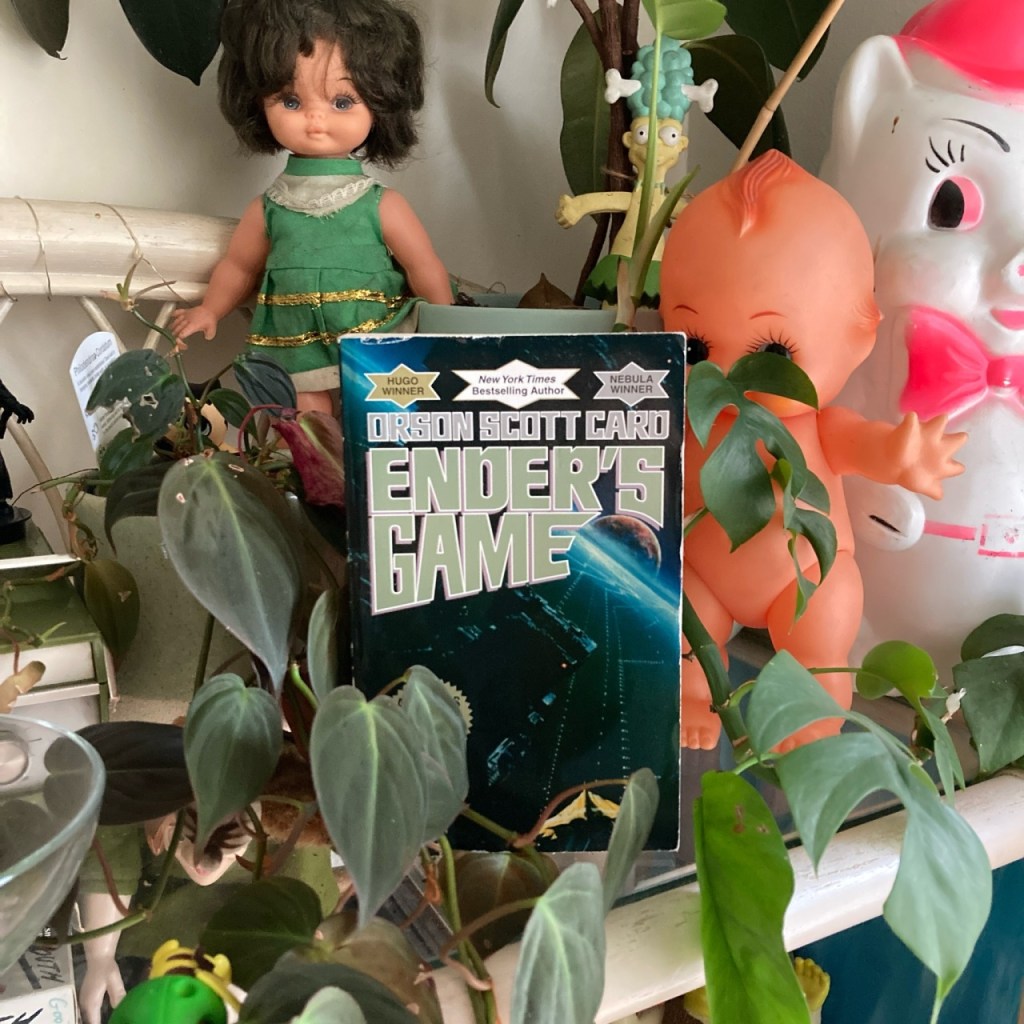
Ender’s Game was not what I expected. I try not to research books too much before reading them because I enjoy going in blind, but that habit finally bit me. To put it bluntly, I thought this was going to be a Sci-Fi epic, not a fifth grade curriculum story about a bunch of nine year old kids bullying each other.
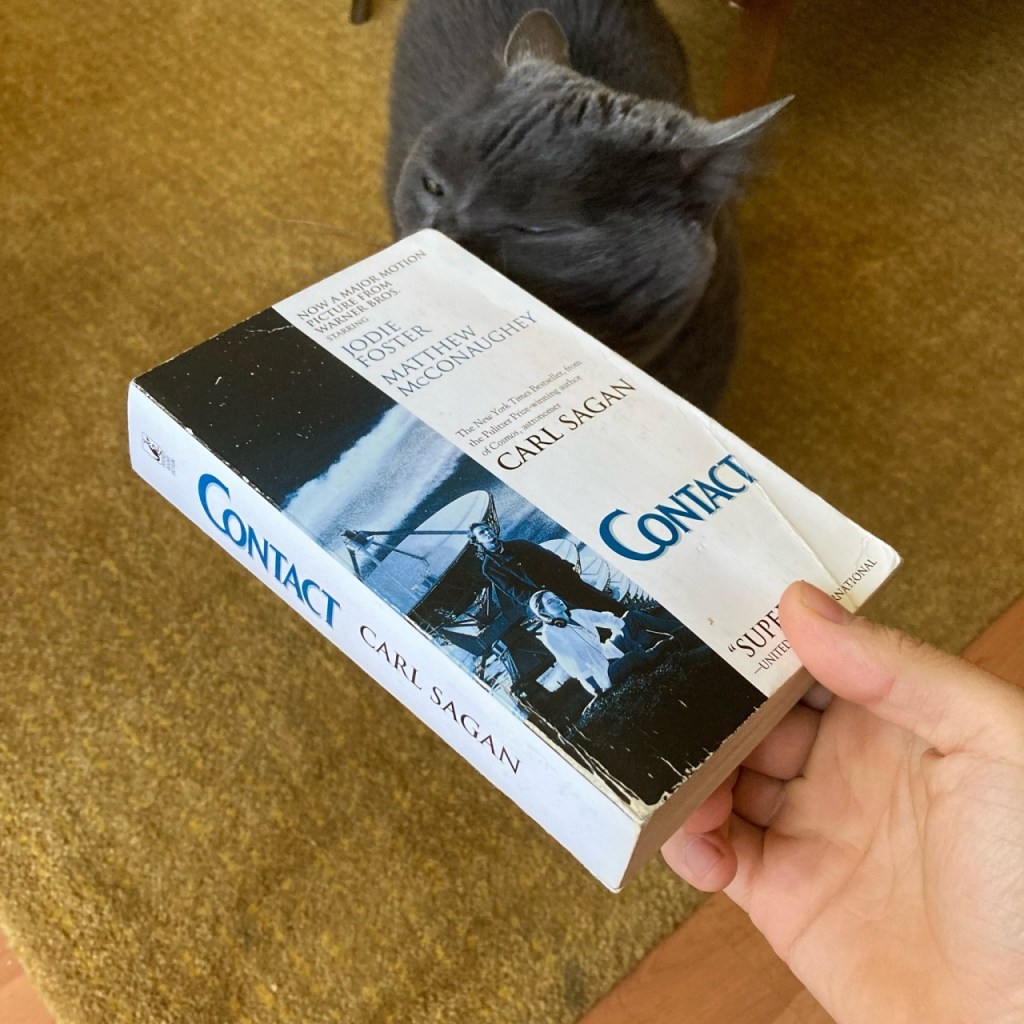
All I knew about Carl Sagan prior to reading this book was that he was some kind of nerdy turtleneck wearing space guy with a TV show. Because of that, I almost half expected this to be some pretty dry, hard, potentially even boring science fiction. It kept being tossed around as a classic though, so I caved and decided to give it a shot. I came away from reading this thinking Carl Sagan must have been the most likeable and empathetic guy to ever walk the earth. May he rest in peace.
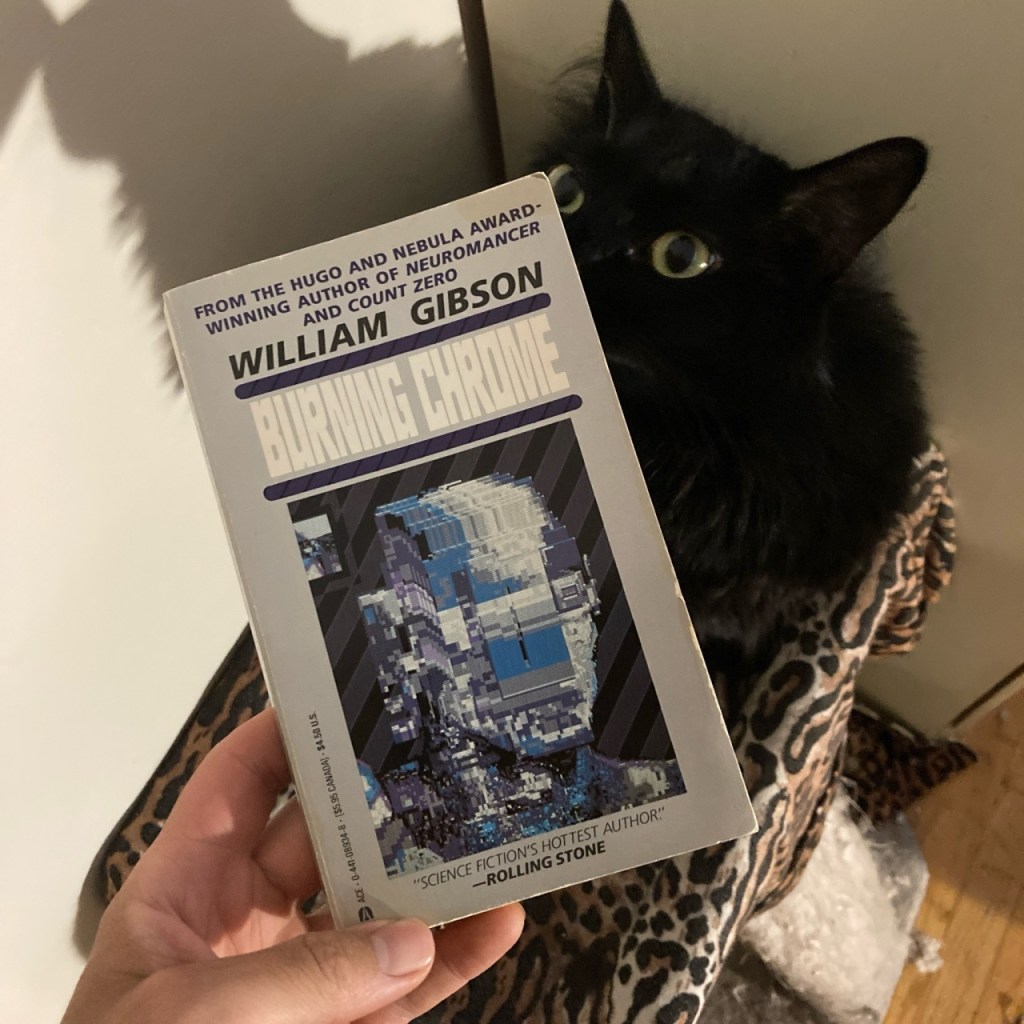
Felt nice to revisit Gibson. Neuromancer was the book that got me back into reading and made me realize how much I love sci fi, and it feels like so long ago now that I wrapped up Mona Lisa Overdrive. I didn’t know how interested I would be in reading a book of short stories, but when I saw this copy sitting on the book store shelves I couldn’t say no (1987 print, way cooler than the newer versions).
I’m really glad I decided to pick this up. These stories contain some of Gibson’s most imaginative writing, but also some of his most challenging. Just like his other books I’ve read, I found the best way to get through it was to not get caught up in the details. There is just a ton of psychedelic technobabble here that is really hard to follow or even imagine for anyone except Gibson himself. Considering how many times drugs are brought in these stories, I almost wonder if he was tripping when he wrote some of this (or maybe I’m just dumb). I mean, I had to read “Fragments of a Hologram Rose” twice and still have no fucking clue what happened. At least the short story format makes re-reading small sections a breeze, and there is plenty reward in doing so. Gibson is usually good at revealing concrete information toward the end of his stories, so going back to the start with that information can really shed a light on everything else.
“Johnny Mnemonic” and “Burning Chrome” were two of my favourites since I was already familiar with the Sprawl setting, and seeing some familiar characters make cameos was a nice touch. I also really connected with “The Winter Market” because it referenced a lot of actual locations around the city I live in. It was neat to be able to picture exactly where the characters were. Gibson’s attempts at Soviet Space Propoganda was an odd surprise but also neat cause it reminded me a lot of Omon Ra by Victor Pelevin in the way that it was simultaneously depressing and absurdly comedic. I found the three collaborations stories in this book to be some of the most narratively coherent—probably the result of having someone else keep Gibson on the rails. All of these stories were good at something though, even if that something was just pure technologic hallucinations.
Despite all of the dense, flashy, and often nonsensical sci fi imagery, a lot of these stories are actually very sad—often leaving you with a stark image of addiction, alienation and loneliness. It made me realize just how much focus and impact a short story can have (and may have inspired me to try writing my own). Getting to really zoom in close on some of Gibson’s character studies and strange thought experiments was a delight, even if it was sometimes hard to grasp. Highly recommended if you enjoyed the Sprawl trilogy. It made me really want to re-read Neuromancer and also check out some of the Bridge books.
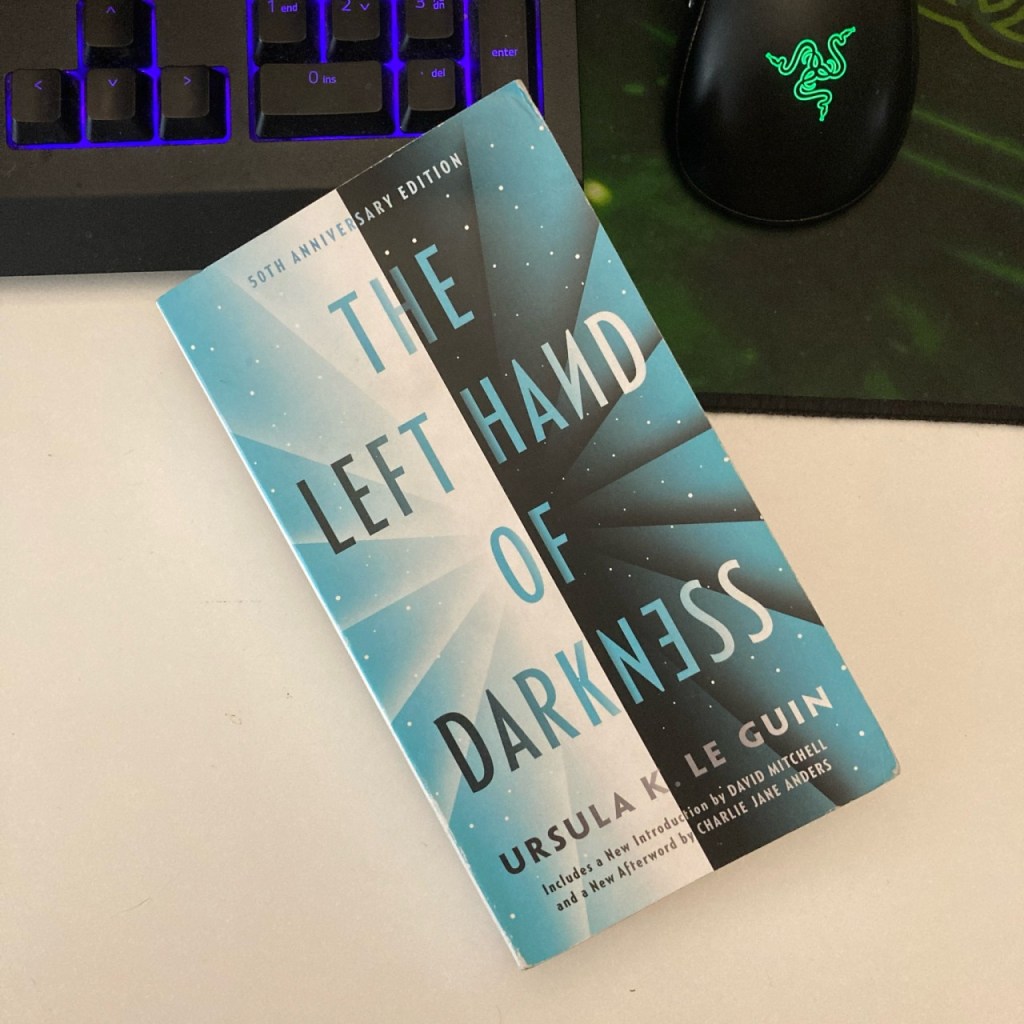
I can hardly describe how much of a pleasure this was to read this after spending almost 5 months going through the Hyperion and Endymion duologies. Simmons’ is good at worldbuilding and crafting grand, multifaceted narratives, but his actual writing is vanilla as hell and such a slog to push through sometimes. Ursula K. Le Guin on the other hand writes such poetic and beautiful prose that every paragraph feels like a paint stroke. Reminds me more of the visceral Gibson except Le Guin is much softer with her abstractions.
Really really loved the world and concept of society that Le Guin has created here. Despite being intentionally soft on the actual sci fi elements, Winter is one of the most believable “alien” societies I’ve read about. I enjoyed the way in which Le Guin plops the reader right down in the middle of this world and lets it’s culture and geography unfurl slowly as you read. It’s another refreshing technique to see after all of Simmons’ boring frontloaded info dumps. The people of this planet are also hard not to love. Even when they are actively working against our protagonist(s), there is something equally perplexing and endearing about their behavior.
I think I enjoyed the first two thirds of this book a bit more than the last. Without giving away any spoilers, the pace shifts heavily near the end. It goes from an exciting story of shady political intrigue and societal exploration into a really long travel phase that takes up most of the last third, and then the ending is just kind of sad and abrupt, but also hopeful. I’m not complaining though, I loved the relationship between Estraven and Genly, and the whole thing was beautifully written. Ursula K. Le Guin could write about ice melting for 200 pages and it would read like a breeze. I feel like there’s a lot of little nuances and reflections of real life that would benefit from multiple reads, so I’m definitely putting this in the “re-read asap” pile.
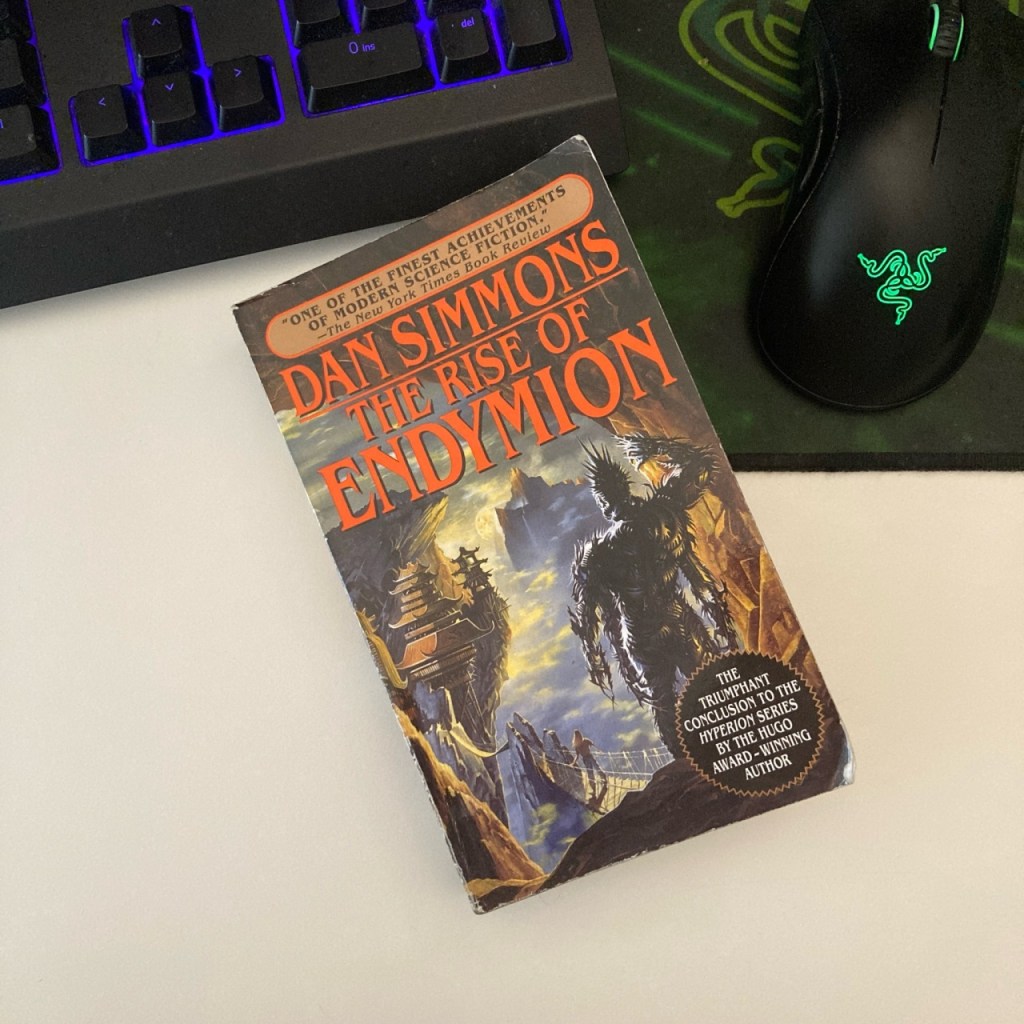
Finally wrapped up the Hyperion Cantos. It’s a bitter sweet moment. This final book is hard for me to talk about. I could probably write a thousand words about it, but I’ll try to keep it brief, because brevity is the soul of wit. Something Dan Simmons could have considered, perhaps.
The Rise of Endymion was a struggle to get through, to be honest. The prior book (simply; Endymion) was a fun, action packed interplanetary man hunt with relatively consistent pacing and enough turns and twists to keep things engaging. This one is hardly any of those things. The pacing in this book was straight up bad. Simmons’ writing is at it’s best when things are happening, but every time some form of action happened in this book, it was cornered by ten page descriptions of clouds and the colour of peoples clothes that frustratingly interrupted the flow. Hell, the entire section on T’ien Shan felt like a data dump with only brief sections of actual plot movement. The monologues were also so rough to sit through because it felt like Simmons was just using character speeches as another way to dump data, summarizing things we already know and tying up loose ends that honestly would have been better left as mysteries.
Aenea and Raul continue to be shallow characters as well, which is nothing new, but this time the good characters weren’t utilized enough to make a difference. Raul displays some incredibly eye rolling and predictable behavior during the course of the book as Aenea turns into some flat, robotic guru figure. She’s supposed to be the symbol of empathy, but her emotions were not convincing in the slightest (I guess she is part cybrid after all). Aenea and Raul’s entire relationship just bordered on creepy and unbelievable. The only interesting development from Aenea was at the very very end where she shows an uncharacteristic burst of impulsivity and rage. Father De Soya still remains the best character, even though he was absent for large chunks of the story, and A. Bettik had hardly any presence at all. The Shrike still shows up but isn’t even scary or interesting anymore because it’s basically the good guy now. Most of the other side characters were forgettable, there were simply too many of them to keep track of in the first place.
I can count the actual exciting moments in this book on one hand. It’s way longer than it needs to be, it’s packed full of unnecessary information that disrupts the flow, it’s cringe inducing and ridiculous at times. It’s also very, very heavy on the romance and religious philosophy. Simmons is lucky that I mostly agree with and respect his feelings on religion, or I probably would have stopped reading it. Organized and corrupt religious institutions are the bad guy in Simmons’ books, but he also preaches the beauty of faith and love and ability to choose what one believes in without judgement. It’s all wonderful stuff, but sometimes it’s so on the nose that it feels like a personal rant from the author.
Despite all of that, I still loved this book. Simmons really turned things around in the last 150 pages or so, and wrote the best possible ending that he could have, which was a total shock to me as the endings of all the previous books were pretty lackluster. It made the entire slog feel so worth it. It was riveting, tragic, beautiful, profound, it put me in tears, god damnit. I was weeping like a child. Not only because of how good it was, but also because it hurt to close the last page on a world and characters that I’ve spent the last four and a half months immersed in. Would I recommend it? Not really… but despite how utterly disappointing this book was at times, I still feel forever changed by the world and philosophy of the series, and I’m glad I stuck it out to the end.
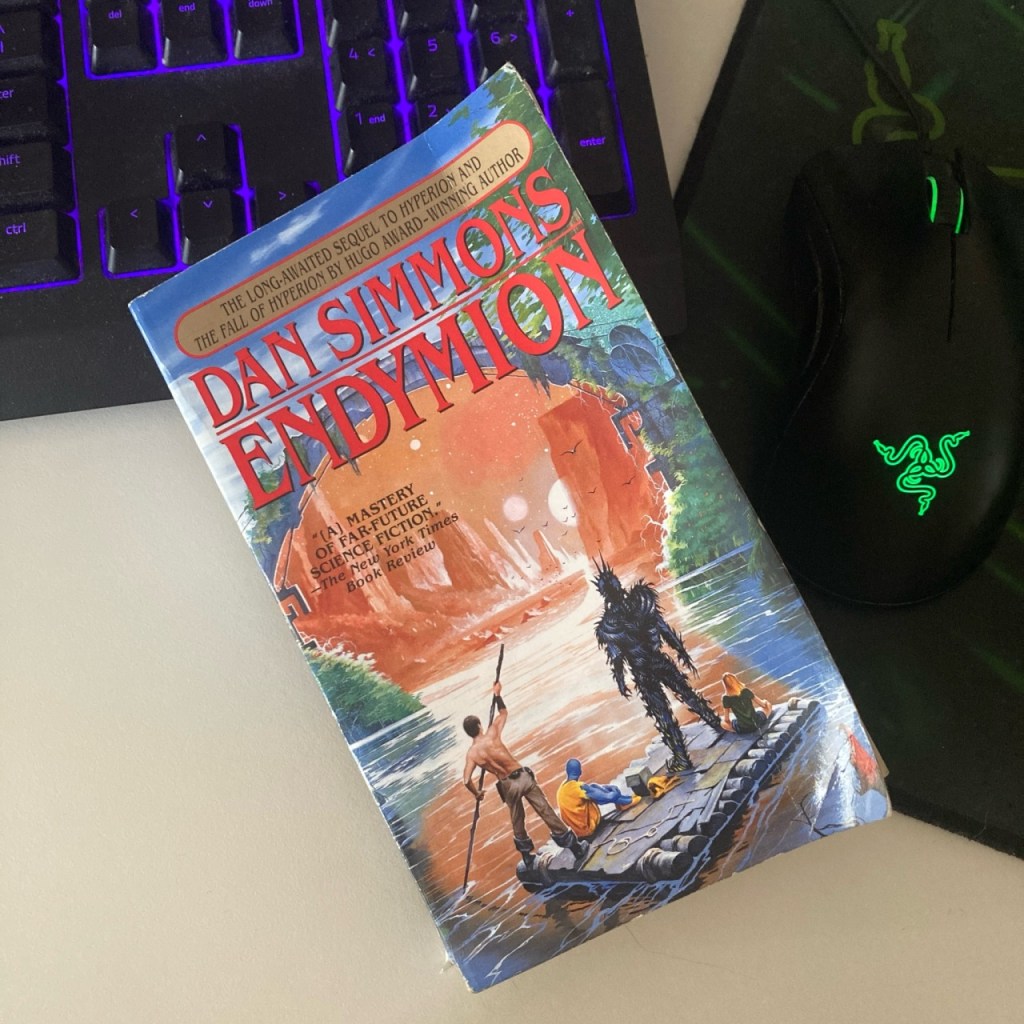
This book surprised the hell out of me. The general consensus online and amongst people I know who have read Hyperion, is that Endymion and The Rise of Endymion are not as good. A majority of people don’t even bother reading them. Those people are missing out, and I don’t put that lightly. Luckily for me, I bought all 4 books in the Cantos without looking up any ratings or reviews, so my choice became; read all of them, or waste your money. I was hesitant to start this one, and it did honestly have a bit of a rough start, but I was head over heels for it by the mid way point.
Endymion is a masterclass in world building, if nothing else. It takes place 274 years after the fall of the Hegemony, and the destruction of the TechnoCore and it’s network of farcaster portals which connected the web worlds with instantaneous travel. Simmons did an amazing job at evolving his universe over this enormous gap in time. Planets became isolated from each other, terraforming projects failed and mother nature returned these worlds back to their natural state, billions died of starvation and war, or simply by getting stuck on the wrong side of a portal after the fall. During this dark age, The Church harvested the cruciform parasites from the labyrinth of Hyperion and harnessed the power of immortality to colonize former web worlds and essentially create their own version of a religious hegemony. The irony here is that despite harvesting the cruciforms which were created by the TechnoCore, the Church admonishes artificial intelligence and has banned the manufacture or use of AI tech. This distrust of AI permeates culture so much that there are even points during the story where the main characters straight up decline vital help or knowledge from the Consul’s old ship and comlog device, claiming it’s useless and essentially telling it to shut up. A small but humorous detail. With the power of immortality in hand, the Church was also able to create a new kind of space craft which was unconstrained by the limits of the human body’s ability to withstand extreme g-forces. These new space crafts could travel anywhere almost just as fast as they could have by using a farcaster portal, with the understanding that the occupants of the craft would die immediately, and be resurrected upon arrival to their destination. It’s truly fascinating stuff, and it proves that Simmons’ unique and borderline outlandish ideas didn’t die with The Fall of Hyperion. He clearly had some juice left in the tank for this one.
The book has some great characters too, just maybe not who you would suspect. The main character, for example, is simply a vessel for us to watch the story unfold. Raul is a typical commoner-thrust-into-heroism type character with seemingly little in the way of personality or flaws, save for a smidge of overconfidence. This is not to say he is unlikeable, he is just a little too perfect and predictable to be interesting. Aenea was not that interesting either, apart from the fact that she is the hybrid child of a human and AI cybrid, who can contact the assumed-dead TechnoCore through her mind and activate old farcaster portals on the River Tethys.
Who are the good characters, you ask? A. Bettik and Father Captain Frederico de Soya. A. Bettik is an android servant who Raul recruited from under the care of Martin Silenus to aid in his quest to protect Aenea. He is cool, calm, collected, largely impassive, and sports an unintentionally humorous deadpan delivery. Despite his cold android personality, I was constantly surprised by his displays of courage and humanity. He was the rock that held the group together, and I honestly almost cried when he lost his arm and almost died near the end of the book. Father de Soya on the other hand is the Pax officer and Catholic priest who is tasked with capturing Aenea. Throughout the journey, he displays surprising complexity as he undergoes a hundred deaths and resurrections that slowly drives him mad. Despite being solely responsible for Aenea’s capture, de Soya is not the bad guy. Yes, he is faithful and obedient to the Church, but he’s also smart enough to know when the truth is being manipulated, and can make decisions based on his own judgement. He ends up being possibly the best written character in the entire series.
The main story arc of Endymion is essentially just an interplanetary manhunt. It’s a much simpler and more linear tale than Hyperion, but I’d argue that it’s also more fun. Being taken on a wild ride down the River Tethys, revisiting all of these planets and finding out how much they have changed since The Fall, all the while being relentlessly pursued by someone who is dying over and over and over again to fulfill his duty to the Church… it’s all so fascinating and exciting. By the time I was ¾ of the way through the book, I was finishing every single chapter with an audible string of “holy shit, oh my god, what the fuck”. If you have read the two Hyperion books and were unsure of whether or not Endymion is worth your time, I promise you it is. If you love the world that Simmons created, then there is more than enough here to satisfy your thirst. Time for me to jump into the finale.
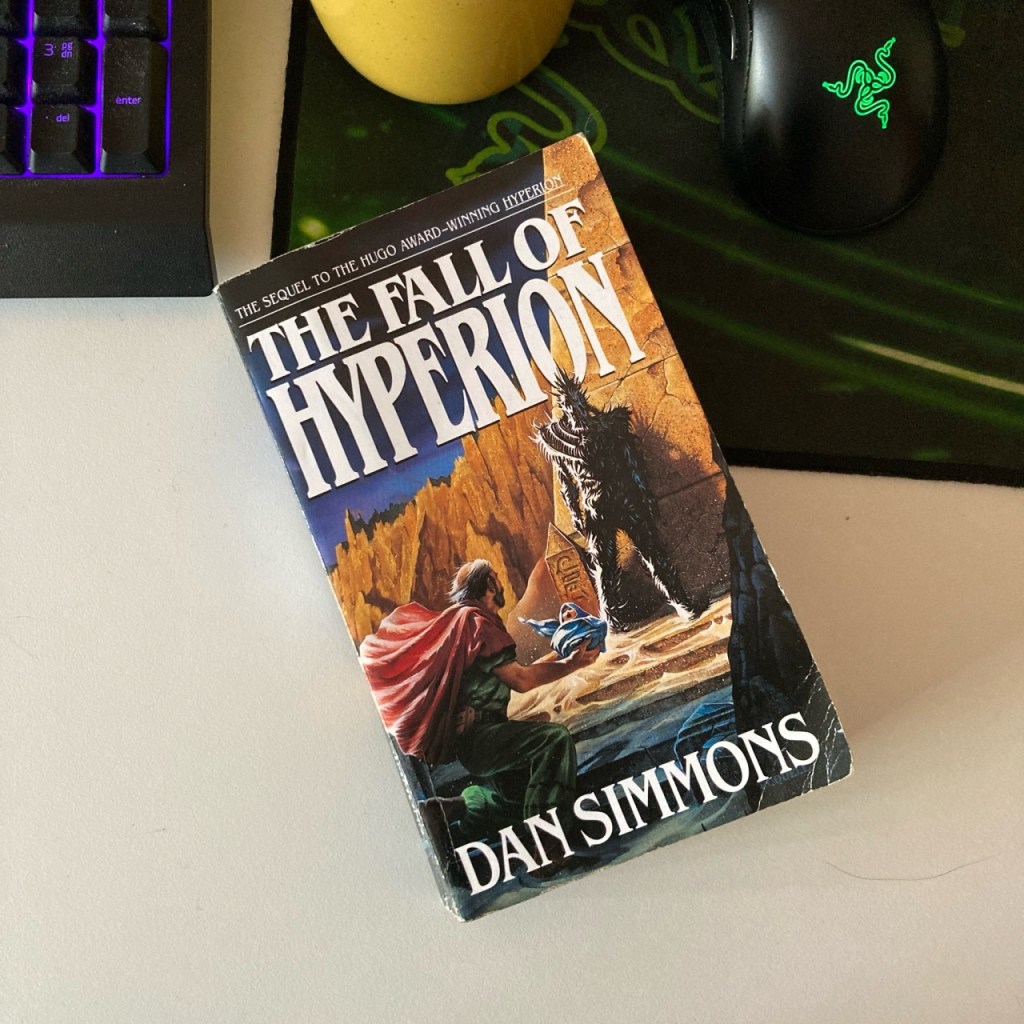
Wow wow wow. Finally finished up The Fall of Hyperion. These books have been taking me a while to get through, but now that I’m done, I almost wish I had read it slower. I straight up didn’t want it to end.
I’m really glad that the first book in this series got all of the world building and character introductions out of the way, because this one was just cooking the entire way through. I was stunned by the amount of insane shit happening before even hitting the half way point of the book. There are just so many different elements at play here; you have the pilgrims on the ground of Hyperion, dealing directly with the trials and terror of the Shrike and his Tree of Thorns, the intergalactic war being waged between the Hegemony and the Ousters, the Keats persona acting as an information relay and flying through the datasphere to communicate directly with AI gods, the Templars and the Shrike Cult with their prophecies, and then the three factions of the TechnoCore being shady and pulling strings in the background the whole time. It’s insane how Simmons’ managed to hold all of these elements and vessels of storytelling together in a cohesive manner that never felt overwhelming or too confusing. The whole concept of timelines intersecting as things pertaining to the tombs ether traveled forward or backward in time kind of went over my head a bit, but it wasn’t too much of an issue.
I’ll admit the ending was a little corny/sloppy, for lack of a better word. It seemed like Simmons’ was grasping at straws a bit in the final chapter just to tie up loose ends, and he also went a little off the rails with the philosophy of “God” and the “Power of Love” and the “Human Spirit” or whatever. I feel like he was trying to add deeper meaning where it wasn’t really necessary, and it came across as a tad pretentious. There are two themes that really stuck out to me while reading this, and neither of them had anything to do with God or love or the human spirit. The first is sacrifice. Without giving away too many spoilers, almost every Pilgrim had their wish granted by the Shrike, albeit in a roundabout way with a caveat that caused them to sacrifice something great, even if that was their own life. The second was the theme of opening our arms to convenience and becoming it’s captive. I think Simmons’ take on how an over reliance on technology can have terrible consequences for the fate of humanity was actually quite nuanced and ahead of it’s time considering this book was published in 1990. There are some very valuable lessons to be gained from this story.
Overall this book really went so far above and beyond the scope of the first, and I’m so glad I decided to take the plunge and see it through. It will probably be hard for any other sci fi novel to beat. I’ve heard that Endymion and The Rise of Endymion are not as good, but I just have to read them now. There were still so many questions left over at the end. Are there still more Shrikes lying in wait? What is really behind the door in the Shrike Palace?? I must know.
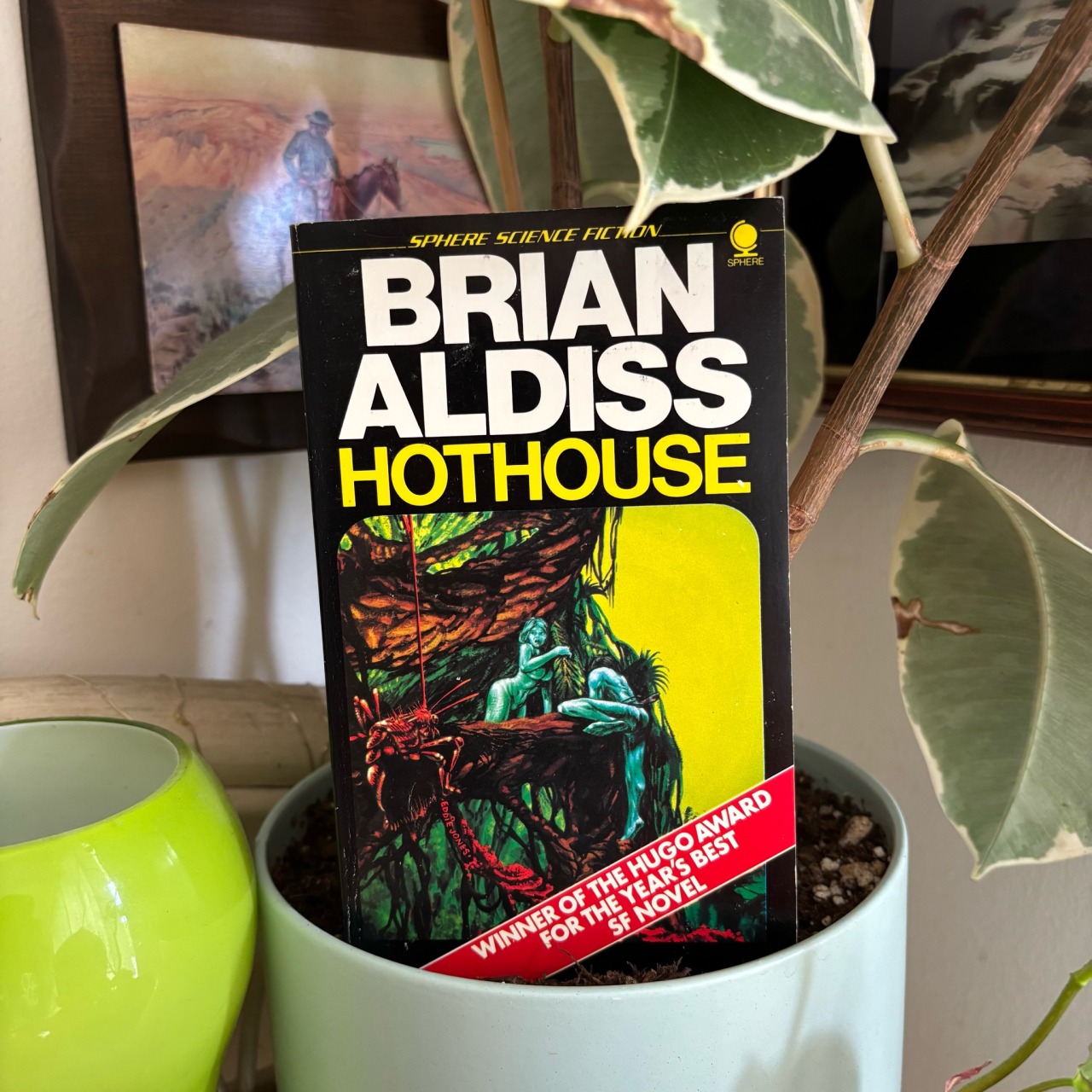
Hothouse is such an awesome, silly book. Seriously. A story about a world that stopped spinning, where one side is bathed in perpetual heat and the other in perpetual dark; where the light side of the globe is covered in dense jungle, brimming with sentient plant life that has evolved to mimic animals in order to better compete for resources; where gigantic spider-like creatures called Traversers have literally spun webs to the moon; where green-skinned humans live in small matriarchal tribes in the branches of a continent-encompassing banyan tree, and those taken to the moon by Traversers grow wings from the space radiation and then fly back to Earth to capture regular human babies in order to bolster their mutated tribe. I have not even begun to scratch the surface of the biodiversity that Hothouse has to offer.
I don’t think I’ve ever read a book that was so purely focused on world-building in the same way that Hothouse is. It almost feels like a diorama: a miniature, self-contained world that is painstakingly detailed and completely unconcerned with any boring sense of reality that lies outside of its bounds, where figurines are frozen in this endless cycle of life and death, caught between sun and shade. The human characters in Hothouse are very simple, but it almost feels like Aldiss crafted these little two-dimensional people on purpose to exaggerate how much bigger and incomprehensible the world is in comparison. The story is a fairly simple adventure as well; we follow Gren as he is rejected by his tribe and infected by an intelligent fungus. The morel then invades his brain and starts to control him for the purpose of further propagating the fungi species. The morel is highly intelligent, but when caught in a struggle of agency, the morel and Gren usually end up making poor decisions that send them both drifting further away from the cradle of life and into the dark side of the globe.
I can’t stress enough how fun and silly this book is. Multiple species are given names like “trappersnappers” and “pluggyrugs.” Gren even encounters a species of humanoid creatures that are attached to trees by green umbilical cords who are referred to frequently as the “tummy-belly men”. Gren, Poyly, and Yatmurr cut the tails connecting these creatures to their mother trees, and they immediately turn into helpless, blabbering babies whose cruel mistreatment at the hands of Gren and the morel is both hilariously comedic and pitifully sad. In many ways, Hothouse reads like a children’s novel, or it at least has a childlike sense of wonder to it, but there is a surprising amount of darkness, violence, and cruelty that makes this world feel dangerously alive, and Aldiss’ prose is surprisingly elegant and sharp, especially as we get into the later chapters and the dichotomy between light and dark becomes more of a central focus. As the story progresses to the end, it even begins to offer an incredibly mature and thoughtful commentary on the nature of intelligence and whether or not intelligence has an inherent propensity for evil.
Hothouse is unlike any book I’ve read so far, and because of that, it was kind of hard to grade. There are so many elements of this book that just wouldn’t work outside of Aldiss’ framework—the simple, dimwitted characters and their silly journey through a world full of carnivorous plants—any lesser author would have completely fumbled the bag with this concept, but that’s what makes it such a special, unique book. If you can engage with this work on the terms of exactly what it is trying to accomplish, it is nothing short of a genius stroke of vivid imagination—a one-of-a-kind experience that I’ll never forget.