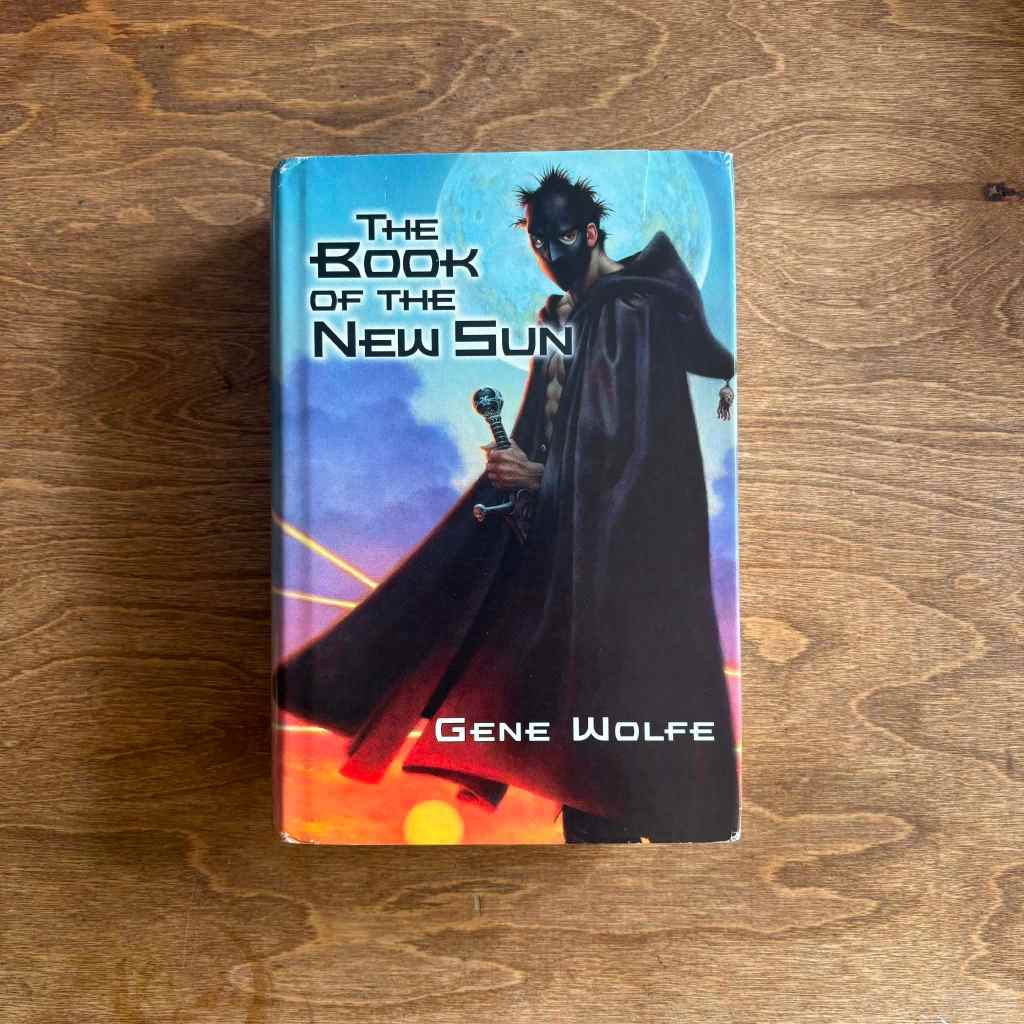
This one is hard to write about. If you know, you know, but I’ll be honest – y’all set me up for thinking this was going to be the most difficult to understand series of all time. I was terrified. But when I finally dived in, I was pleasantly surprised by what I found. The water was cool, and the current was easy to follow. This is your sign! If you are on the fence and put off by all the reviews making it sound like you need a PhD in astrophysics or a bunch of in-depth guides to understand the book; don’t be afraid. Gene Wolfe will swaddle you like a little baby and whisper dark poetry in your ears.
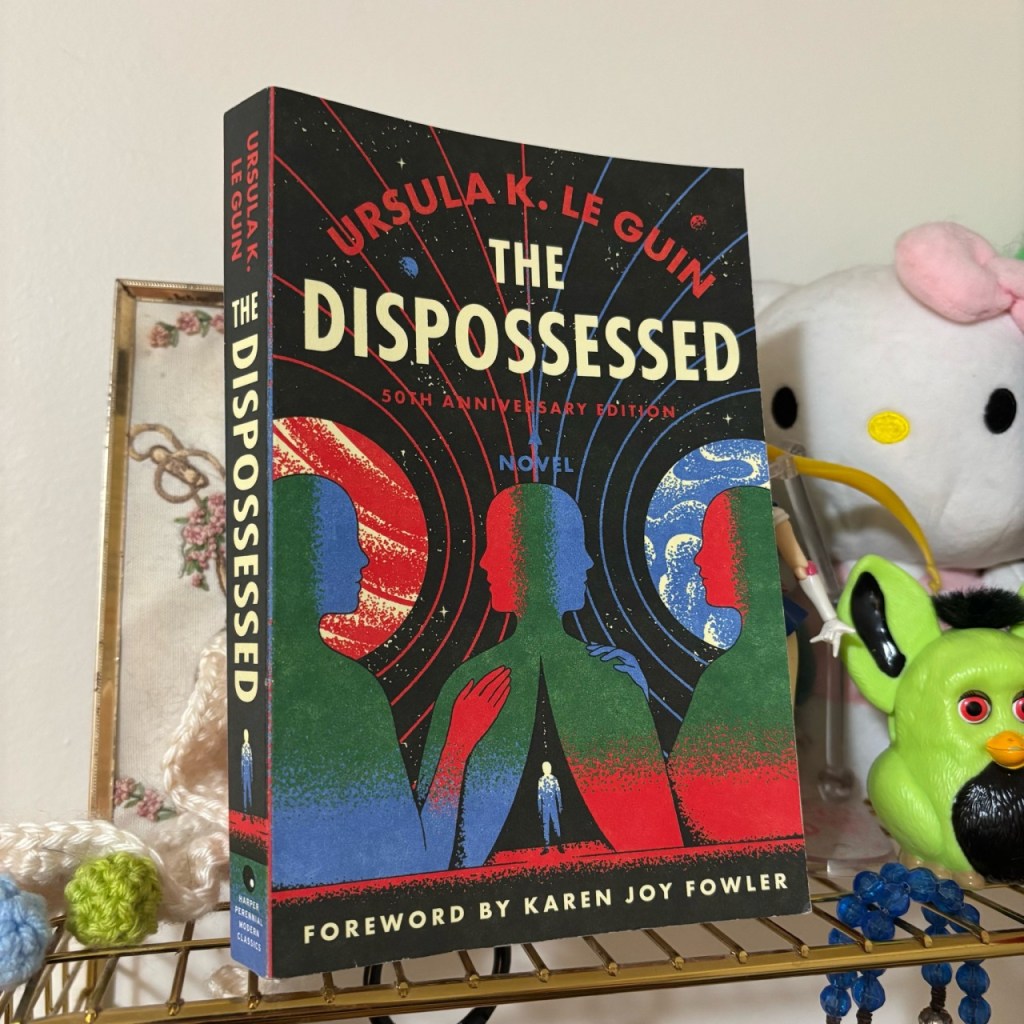
How do you even review perfection? When so much of the awe comes from the unknowing? The unexplainable gut feeling you get when you meet its gaze? It reaches through you, speaking directly to the soul in a language you can’t even perceive. The Dispossessed, for me, was less like reading a book, and more like having a good conversation with that one-in-a-million friend who you can really connect with on a cerebral level. That one person who can not only reciprocate the conversation, but actively help you define parameters for the concepts you discuss. If you don’t have someone like that in your life, I am so sorry, I’m not sharing mine (how propertarian of me!).
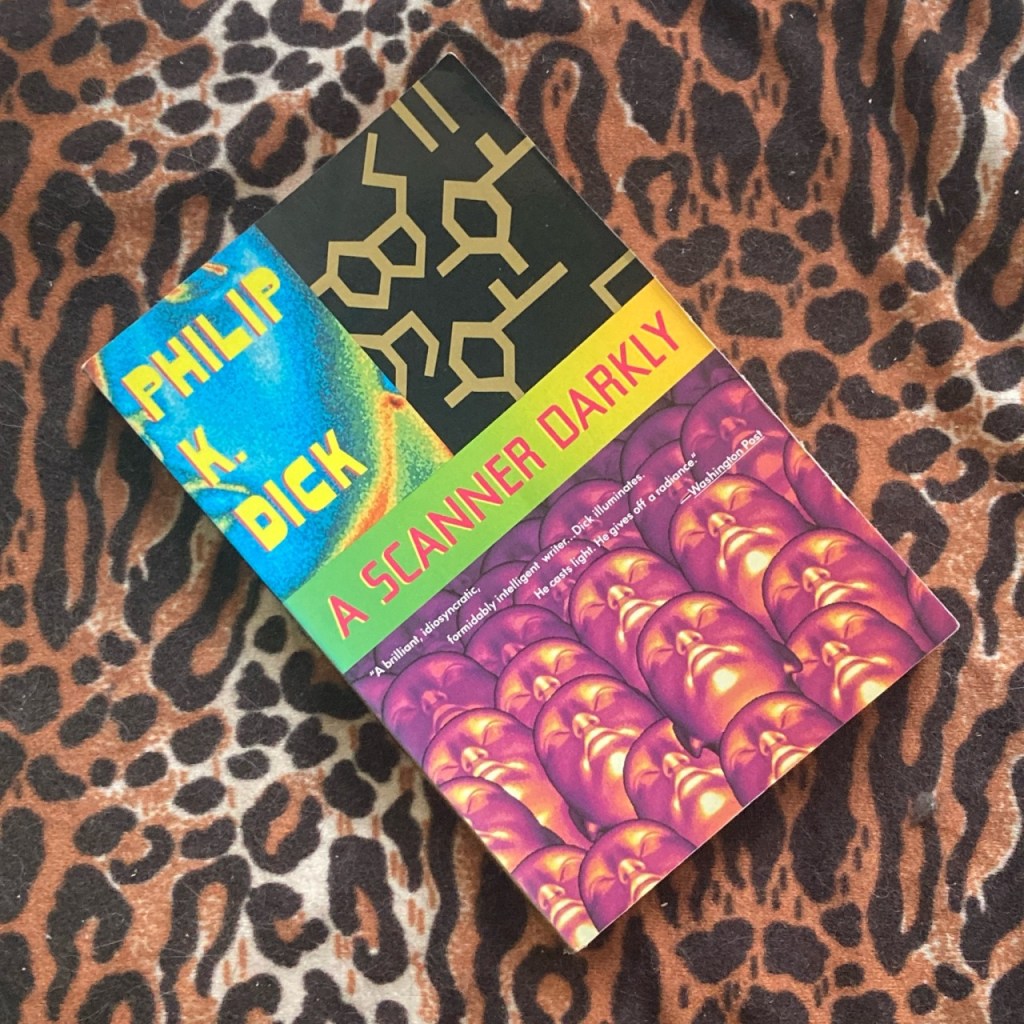
Man I… don’t really have much to say about this one. It’s a great book, it’s just really dark and depressing. The ending made me feel so hopeless and angry. I love Philip K. Dick. This is only the second book I’ve read from him, but his sense of humour is so subtle and hilarious to me, and I’m glad he was able to maintain some of that even when writing about such dark subject matter. It’s the same kind of humour that made DADOES? one of my favourite books; the normalization of the absurd. Saying hilarious shit with a deadpan sense of seriousness is my favourite way to make jokes, and I’m glad I stumbled on an author that appeals to me in that way.
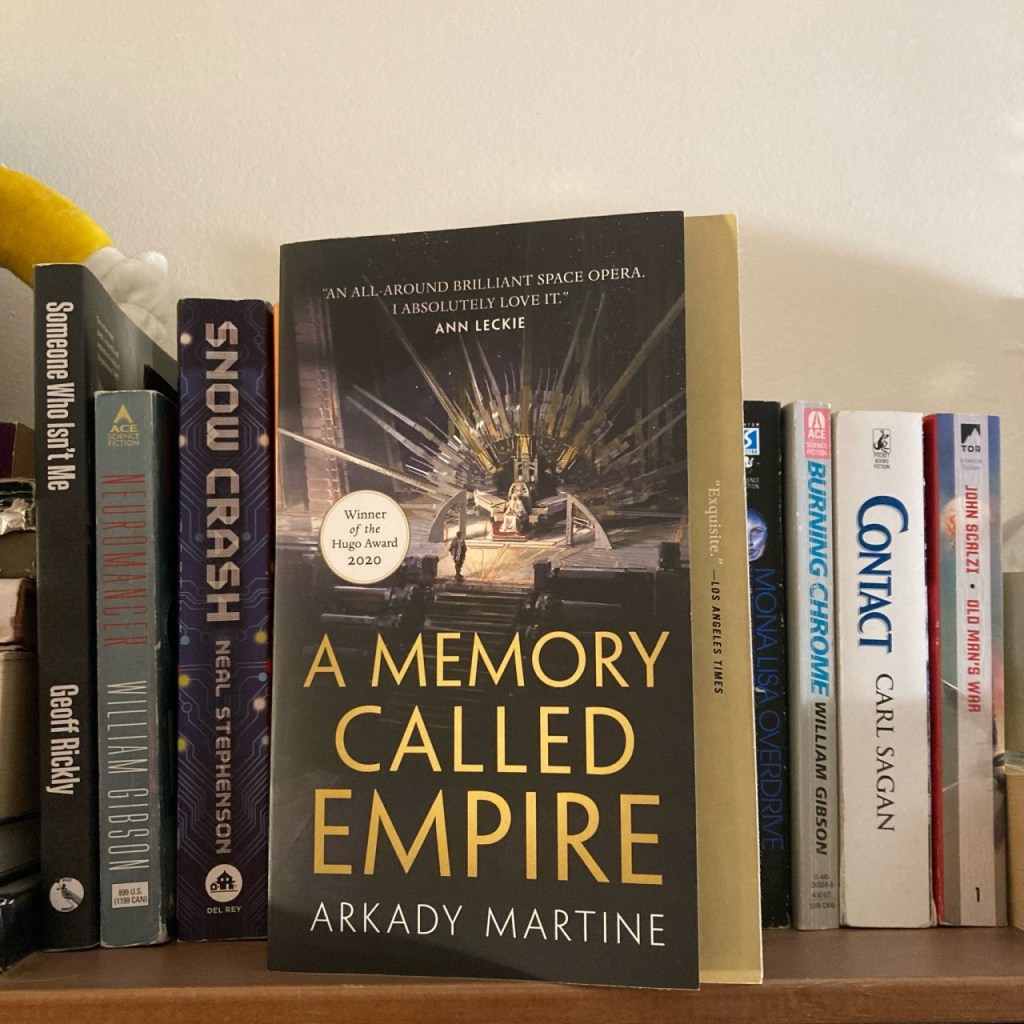
Turns out I fucking love space operas. My god. I wish I had discovered this book so much earlier in my reading journey. I feel like this is the book I’ve always wanted to read, the one that finally takes all my favourite pieces of the stories I love and puts them together the right way. It’s taken me a long time to sit down and write about it, because I barely know where to start, the story was just so intoxicating and personal that I almost feel like just keeping this one to myself, close to the heart. But I’ll try anyway…
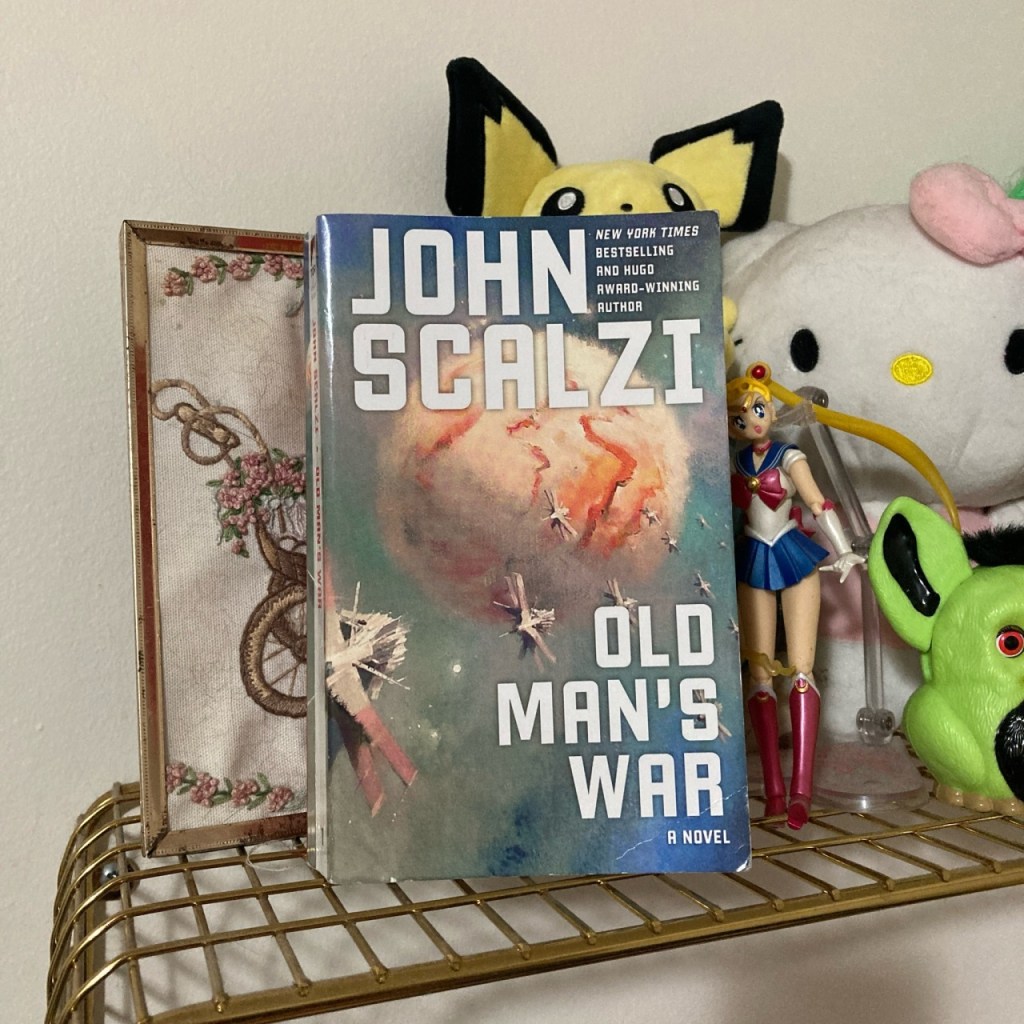
To be honest, I was a little bit hesitant to read this one right after reading Ender’s Game. Ender’s Game was just such a slog and it kind of soured me on the very male-oriented military sci-fi perspective, and with a book literally called “Old Man’s War”, I was very much expecting the same type of bland narrative.
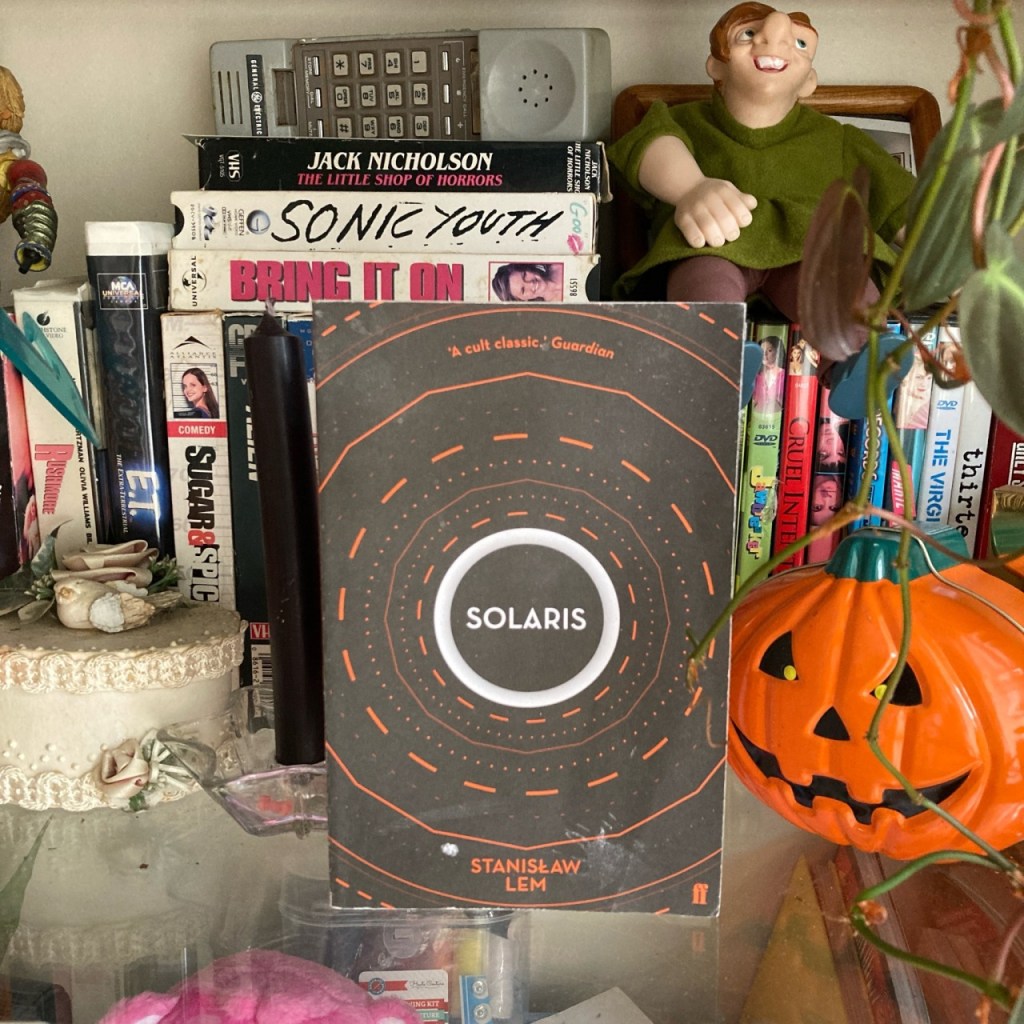
I was a little hesitant to read Solaris. Based on the synopsis, it just didn’t seem like the type of science fiction novel I was used to. There are no large scale intergalactic battles or worn down cities disintegrating under the weight of hyper-tech and late stage capitalism, Solaris’ scale is much smaller and more personal than that, but the ideas it represents are no less important.
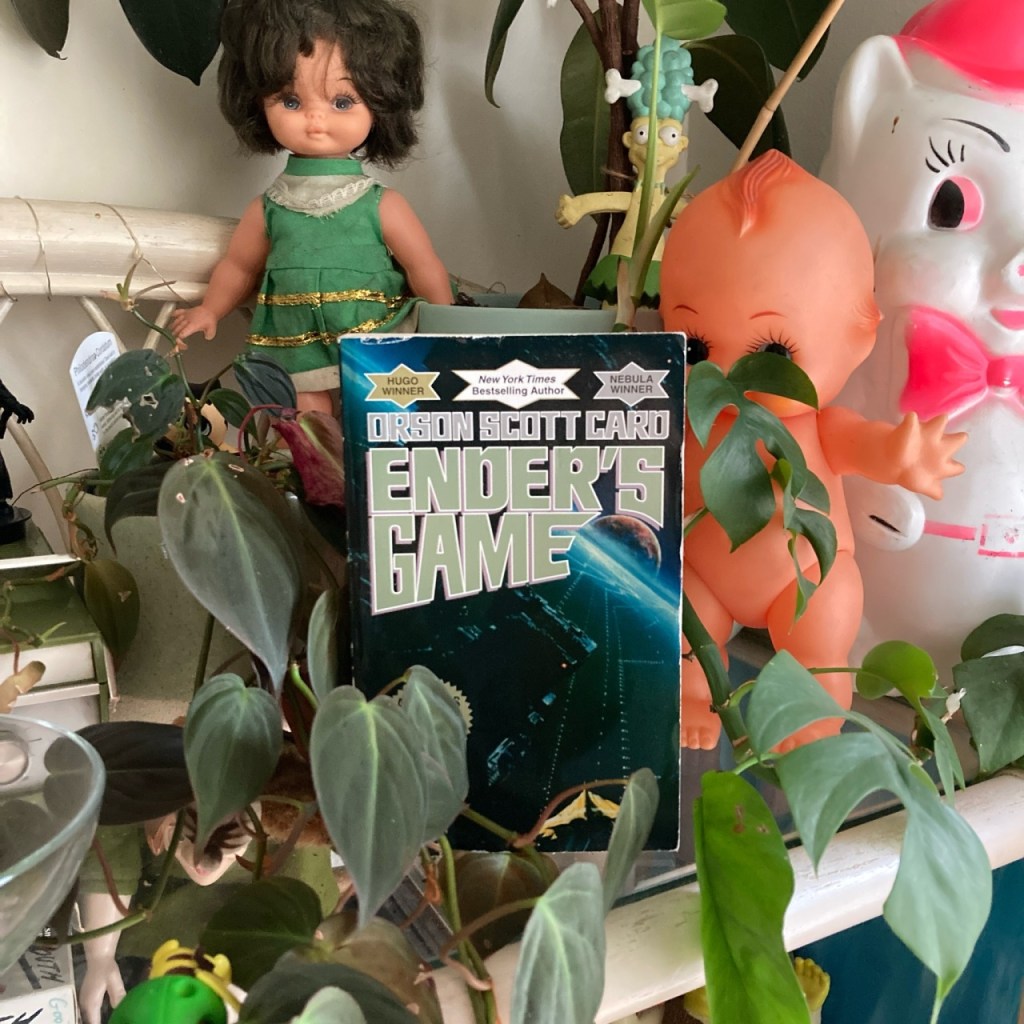
Ender’s Game was not what I expected. I try not to research books too much before reading them because I enjoy going in blind, but that habit finally bit me. To put it bluntly, I thought this was going to be a Sci-Fi epic, not a fifth grade curriculum story about a bunch of nine year old kids bullying each other.
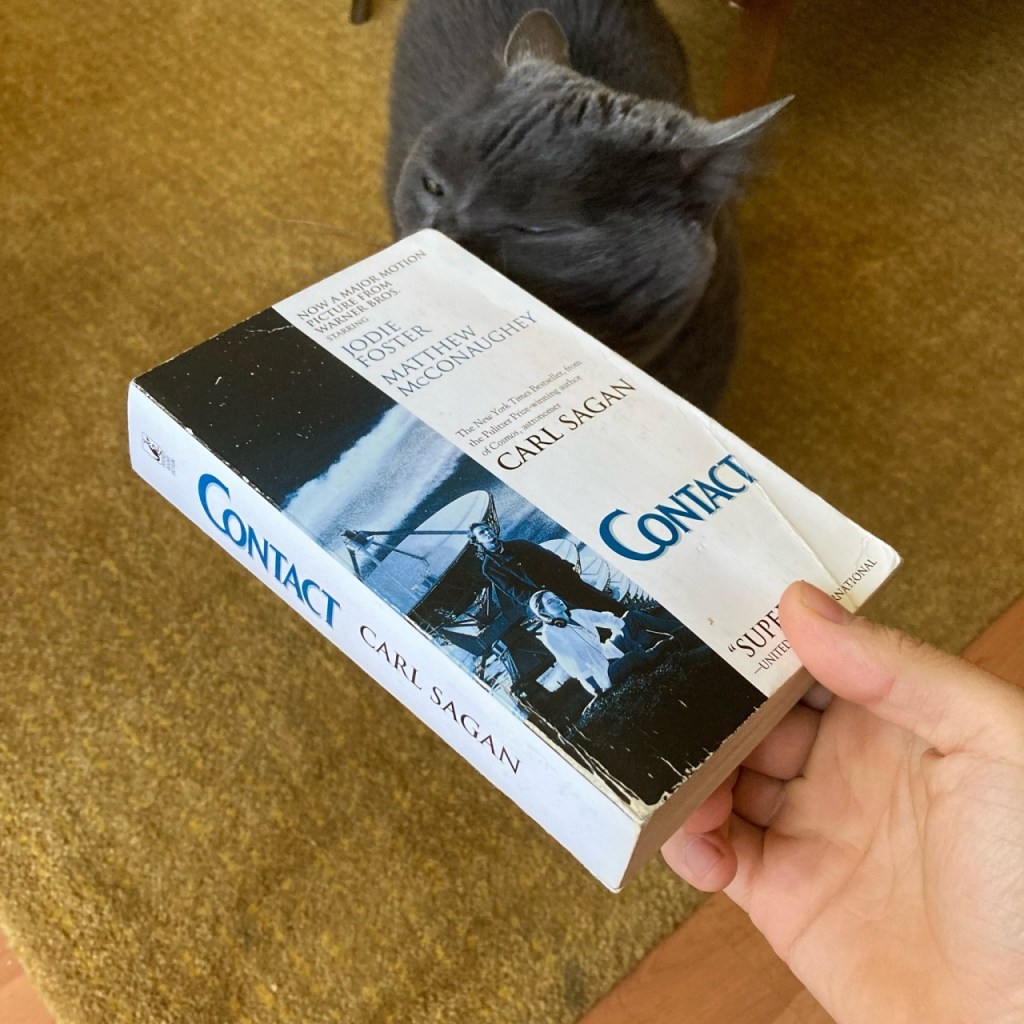
All I knew about Carl Sagan prior to reading this book was that he was some kind of nerdy turtleneck wearing space guy with a TV show. Because of that, I almost half expected this to be some pretty dry, hard, potentially even boring science fiction. It kept being tossed around as a classic though, so I caved and decided to give it a shot. I came away from reading this thinking Carl Sagan must have been the most likeable and empathetic guy to ever walk the earth. May he rest in peace.
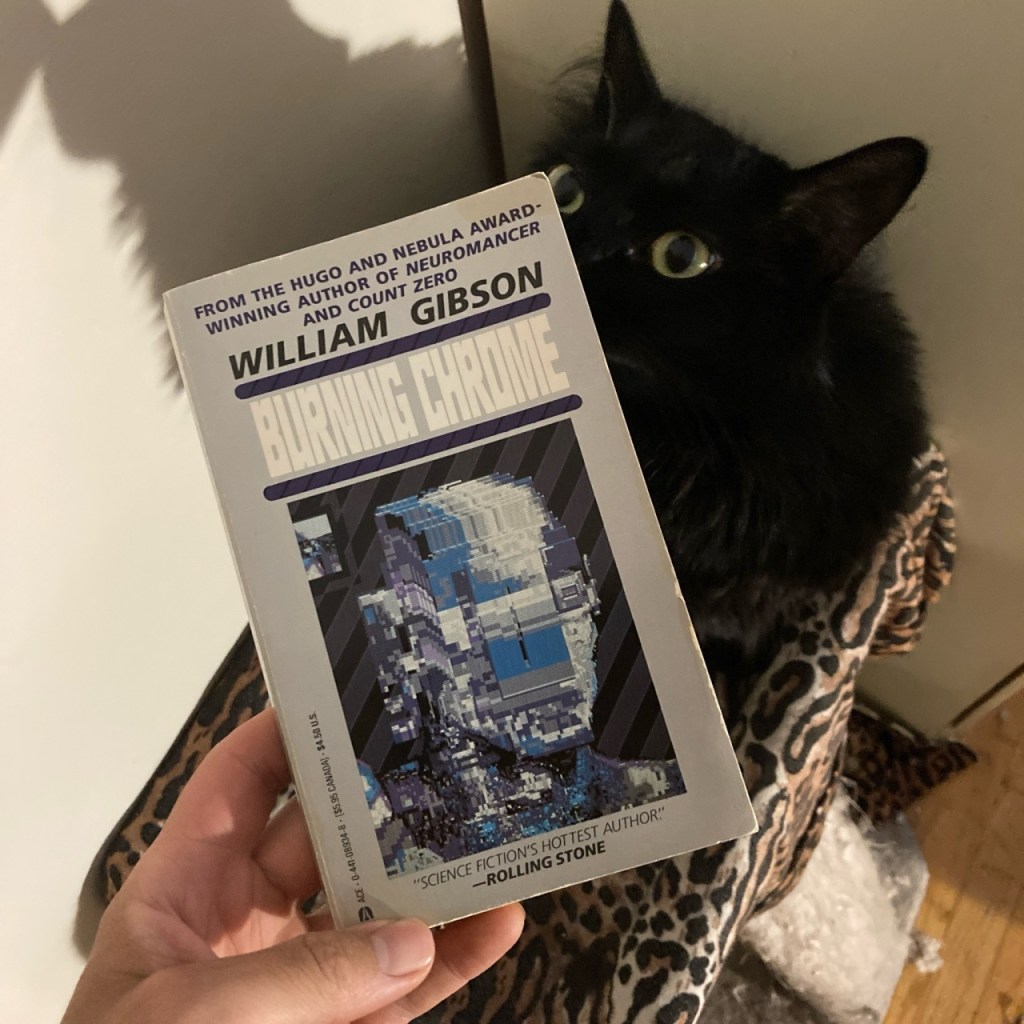
Felt nice to revisit Gibson. Neuromancer was the book that got me back into reading and made me realize how much I love sci fi, and it feels like so long ago now that I wrapped up Mona Lisa Overdrive. I didn’t know how interested I would be in reading a book of short stories, but when I saw this copy sitting on the book store shelves I couldn’t say no (1987 print, way cooler than the newer versions).
I’m really glad I decided to pick this up. These stories contain some of Gibson’s most imaginative writing, but also some of his most challenging. Just like his other books I’ve read, I found the best way to get through it was to not get caught up in the details. There is just a ton of psychedelic technobabble here that is really hard to follow or even imagine for anyone except Gibson himself. Considering how many times drugs are brought in these stories, I almost wonder if he was tripping when he wrote some of this (or maybe I’m just dumb). I mean, I had to read “Fragments of a Hologram Rose” twice and still have no fucking clue what happened. At least the short story format makes re-reading small sections a breeze, and there is plenty reward in doing so. Gibson is usually good at revealing concrete information toward the end of his stories, so going back to the start with that information can really shed a light on everything else.
“Johnny Mnemonic” and “Burning Chrome” were two of my favourites since I was already familiar with the Sprawl setting, and seeing some familiar characters make cameos was a nice touch. I also really connected with “The Winter Market” because it referenced a lot of actual locations around the city I live in. It was neat to be able to picture exactly where the characters were. Gibson’s attempts at Soviet Space Propoganda was an odd surprise but also neat cause it reminded me a lot of Omon Ra by Victor Pelevin in the way that it was simultaneously depressing and absurdly comedic. I found the three collaborations stories in this book to be some of the most narratively coherent—probably the result of having someone else keep Gibson on the rails. All of these stories were good at something though, even if that something was just pure technologic hallucinations.
Despite all of the dense, flashy, and often nonsensical sci fi imagery, a lot of these stories are actually very sad—often leaving you with a stark image of addiction, alienation and loneliness. It made me realize just how much focus and impact a short story can have (and may have inspired me to try writing my own). Getting to really zoom in close on some of Gibson’s character studies and strange thought experiments was a delight, even if it was sometimes hard to grasp. Highly recommended if you enjoyed the Sprawl trilogy. It made me really want to re-read Neuromancer and also check out some of the Bridge books.
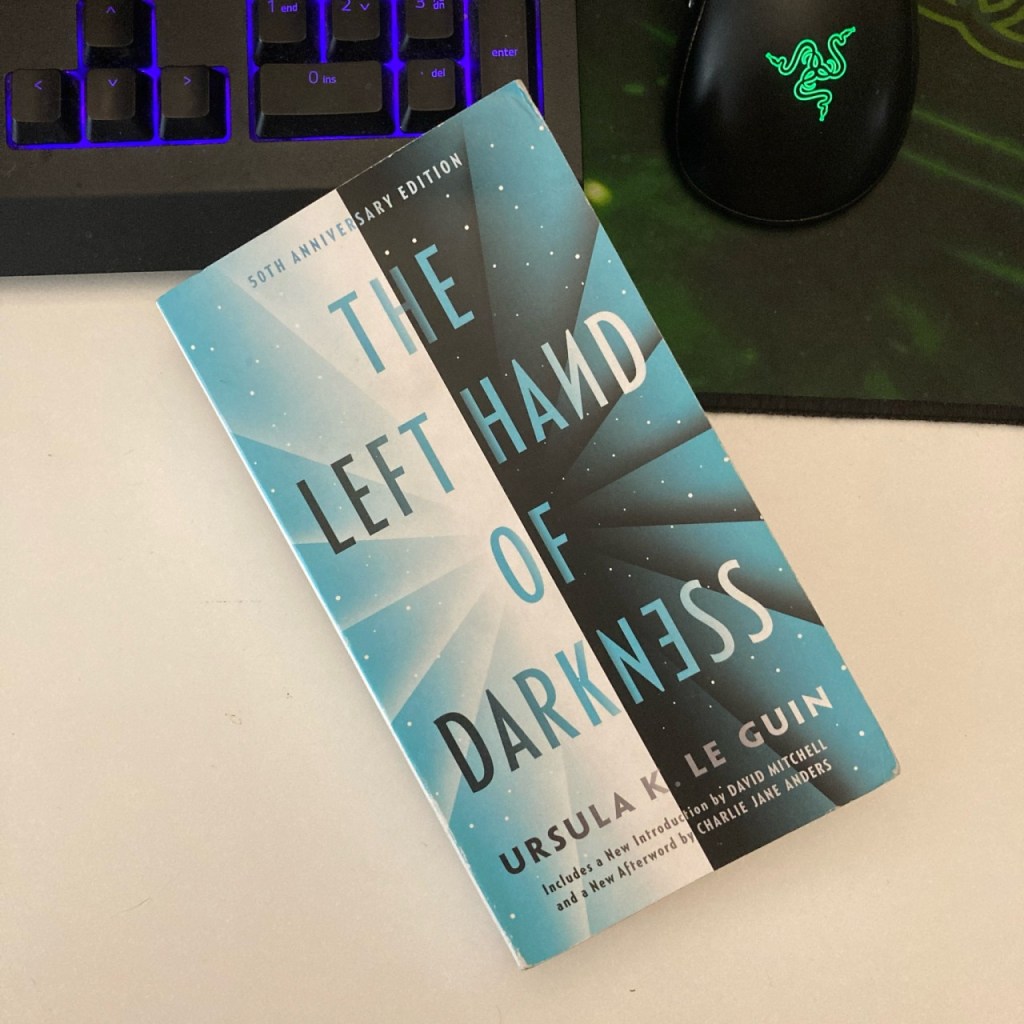
I can hardly describe how much of a pleasure this was to read this after spending almost 5 months going through the Hyperion and Endymion duologies. Simmons’ is good at worldbuilding and crafting grand, multifaceted narratives, but his actual writing is vanilla as hell and such a slog to push through sometimes. Ursula K. Le Guin on the other hand writes such poetic and beautiful prose that every paragraph feels like a paint stroke. Reminds me more of the visceral Gibson except Le Guin is much softer with her abstractions.
Really really loved the world and concept of society that Le Guin has created here. Despite being intentionally soft on the actual sci fi elements, Winter is one of the most believable “alien” societies I’ve read about. I enjoyed the way in which Le Guin plops the reader right down in the middle of this world and lets it’s culture and geography unfurl slowly as you read. It’s another refreshing technique to see after all of Simmons’ boring frontloaded info dumps. The people of this planet are also hard not to love. Even when they are actively working against our protagonist(s), there is something equally perplexing and endearing about their behavior.
I think I enjoyed the first two thirds of this book a bit more than the last. Without giving away any spoilers, the pace shifts heavily near the end. It goes from an exciting story of shady political intrigue and societal exploration into a really long travel phase that takes up most of the last third, and then the ending is just kind of sad and abrupt, but also hopeful. I’m not complaining though, I loved the relationship between Estraven and Genly, and the whole thing was beautifully written. Ursula K. Le Guin could write about ice melting for 200 pages and it would read like a breeze. I feel like there’s a lot of little nuances and reflections of real life that would benefit from multiple reads, so I’m definitely putting this in the “re-read asap” pile.