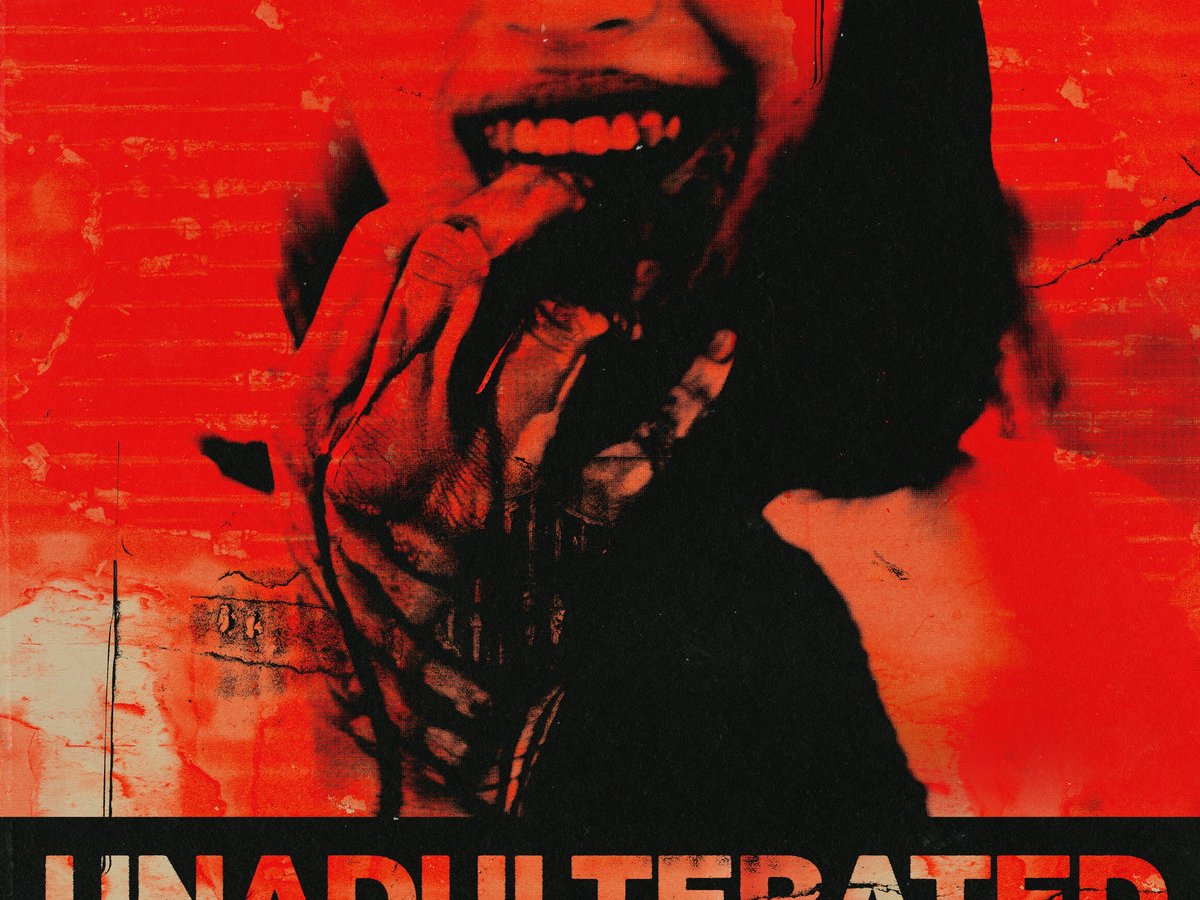
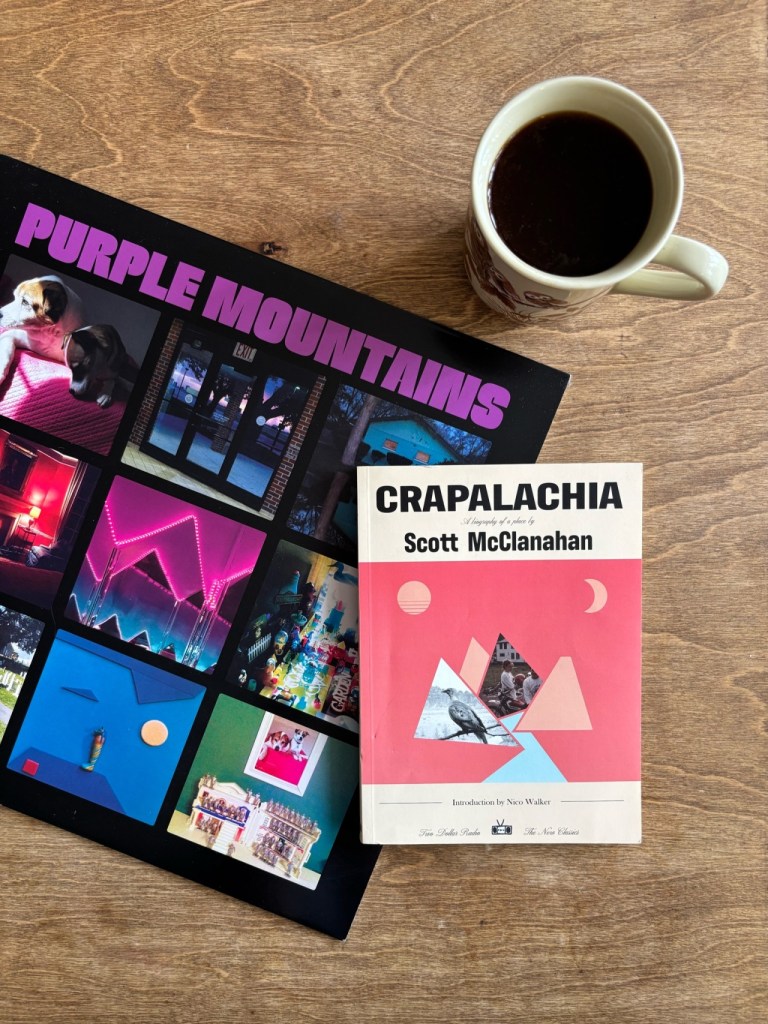
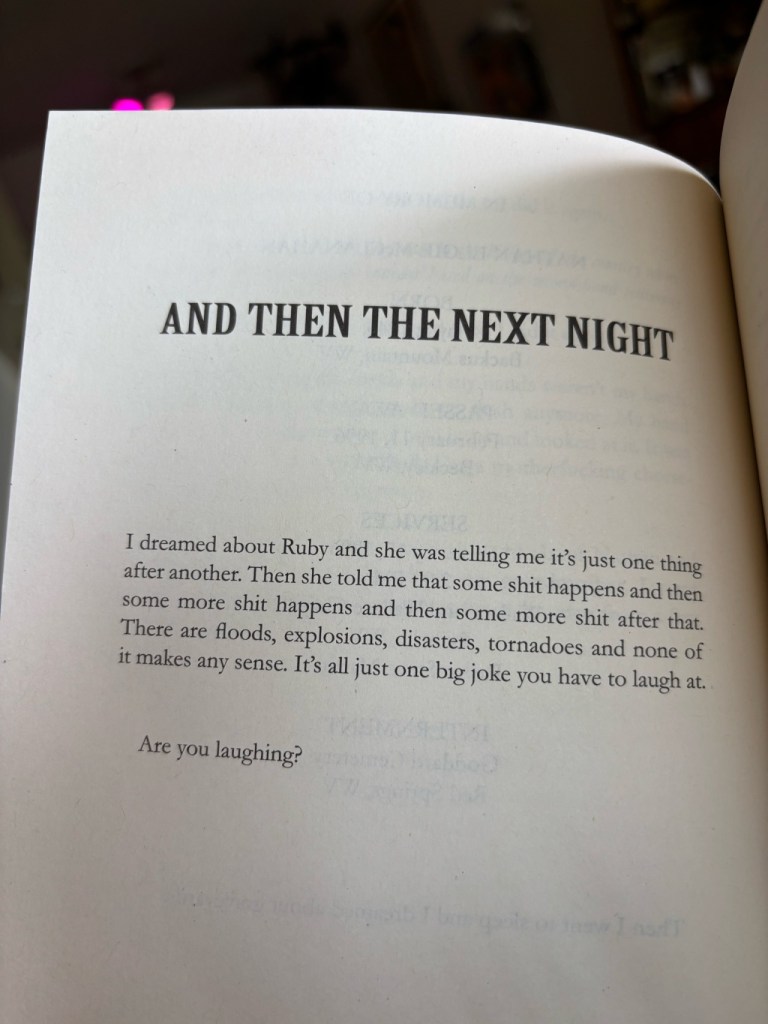
VOICE is such an underrated aspect of writing. I think anyone can learn to write in a specific style or utilize specific vocabulary to great effect, but truly embodying one’s own voice through the page seems to be a rare gift reserved for poets and playwrights—those who utilize their arms and their lungs just as much as their brains. I only recently discovered McClanahan through a video of him reading a passage from his newest (and yet unreleased) novel, Fights!, but I was immediately hooked by his voice, by the confidence of his delivery, and by his ability to convey the intrinsic humour of humanity with the tender precision of a spitball blown through a straw.
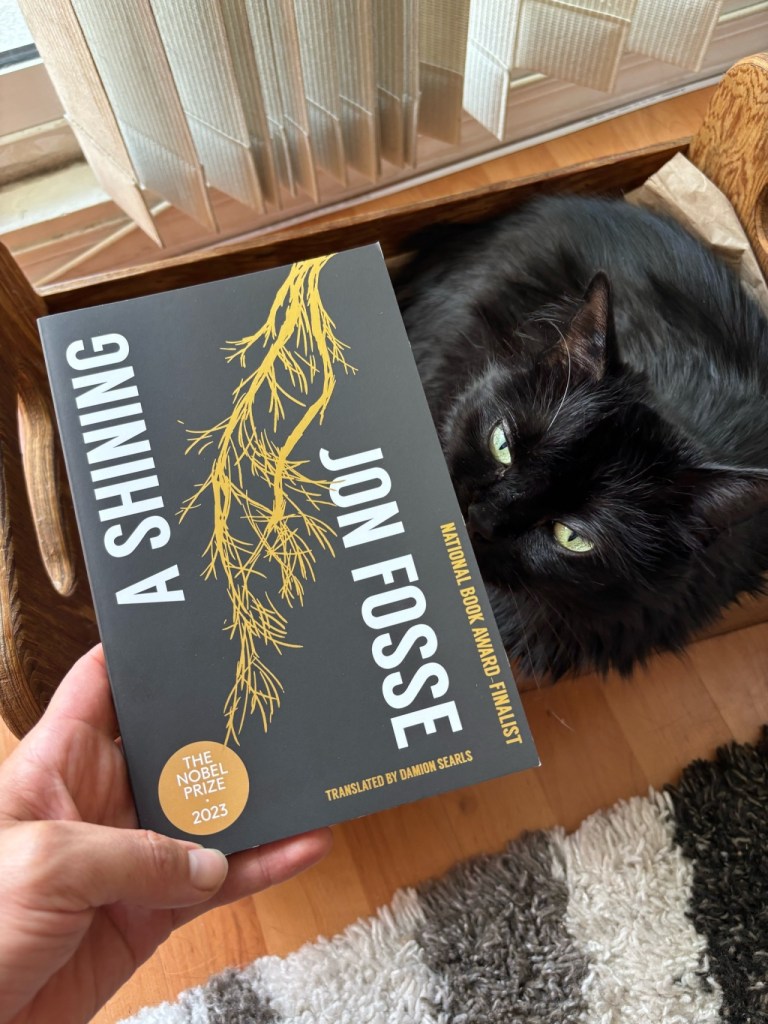
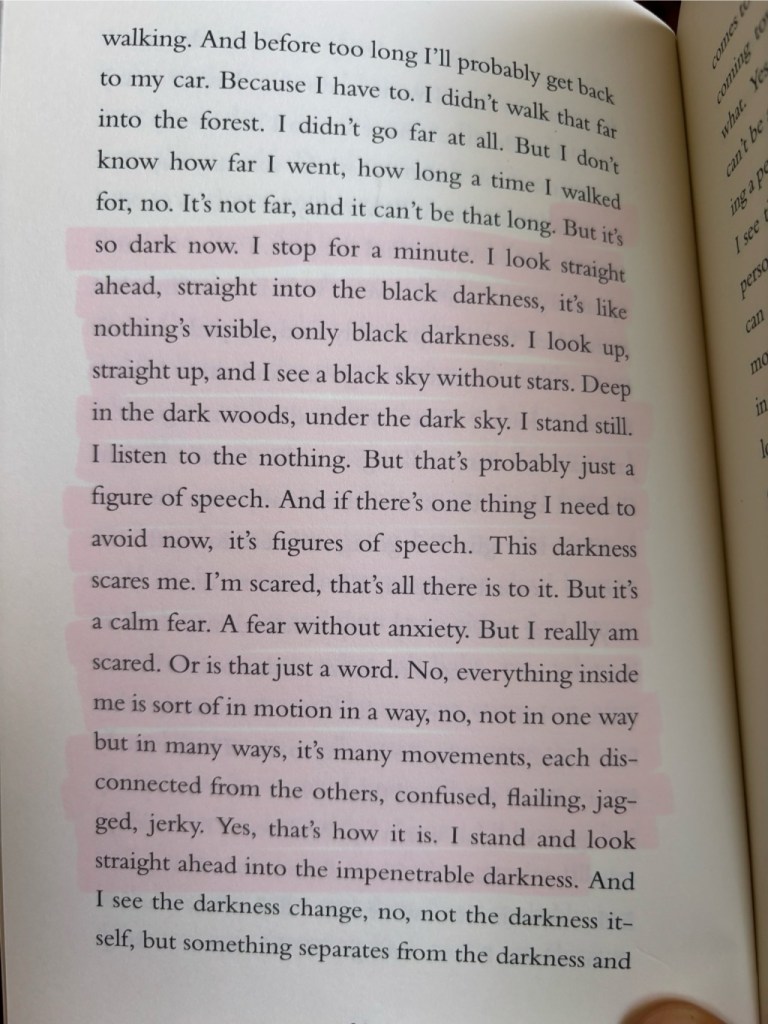
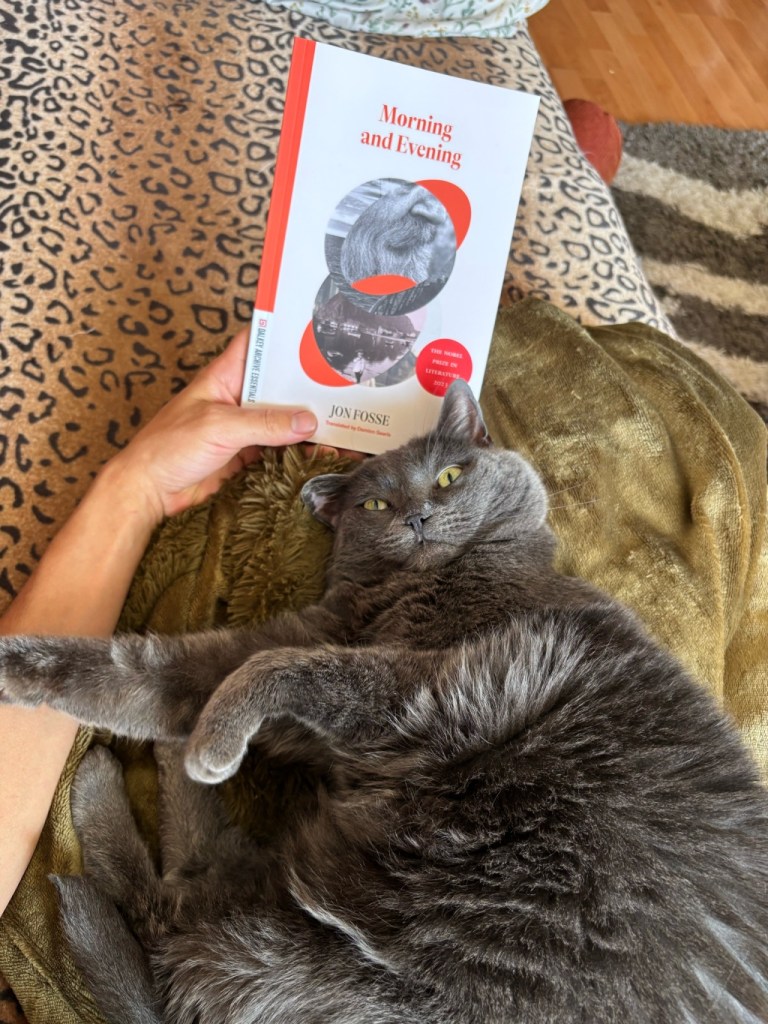
Perhaps reading A Shining directly after Morning and Evening wasn’t the right move. Both novellas explore the same idea that our consciousness may very well steamroll its way straight through death without even noticing that the body has perished, but A Shining takes a much more concise and direct approach that I found overall less interesting or evocative. But don’t get it twisted; this was still a great read, and while the ideas are similar, their expression is quite different.
What do you think happens when you die? Like, assuming that your consciousness is a self-contained capsule of memory and awareness that can exist outside of your corporeal form (one might even call it the “spirit”), do you think that it (you) will even notice when it is separated from the body? Or will it simply continue on without a hitch? One thing seems certain: without any new input, your consciousness will likely trigger a feedback loop and generate some strange conglomerate of past memories that will be recontextualized into new experiences (almost exactly like generative AI), but this could only go on for so long until your consciousness becomes aware that something feels off.
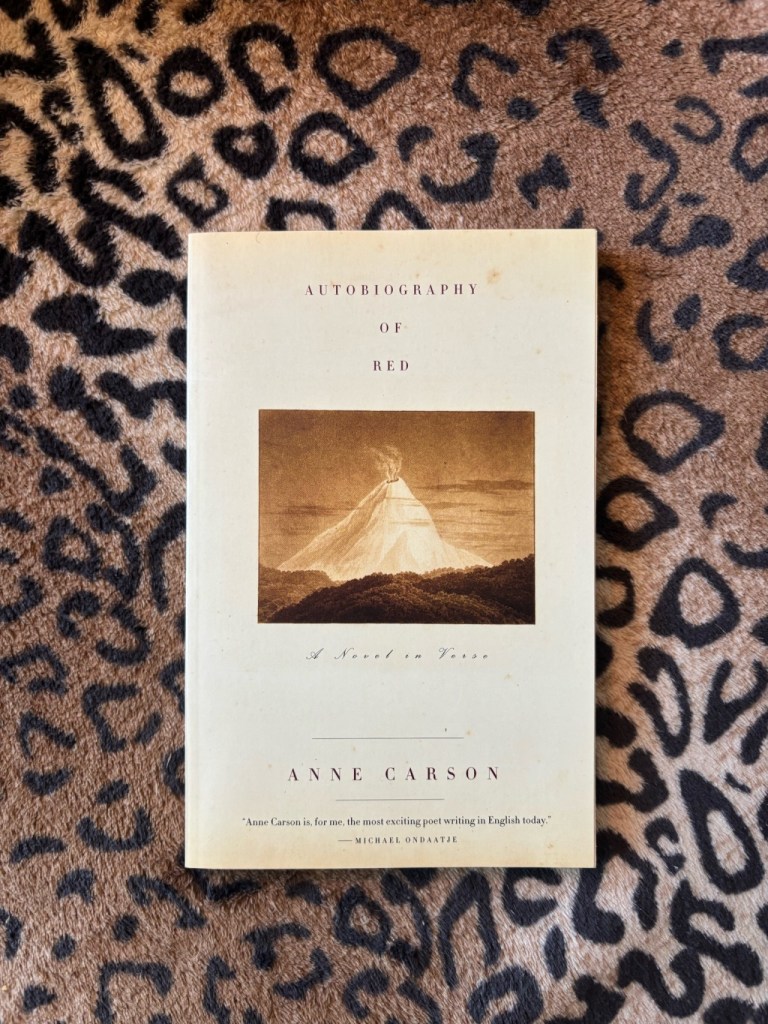
A queer coming-of-age story based on loose fragments of ancient Greek poetry penned by Stesichorus (630–555 BC) about Herakles and the monster Geryon? Sign me up.
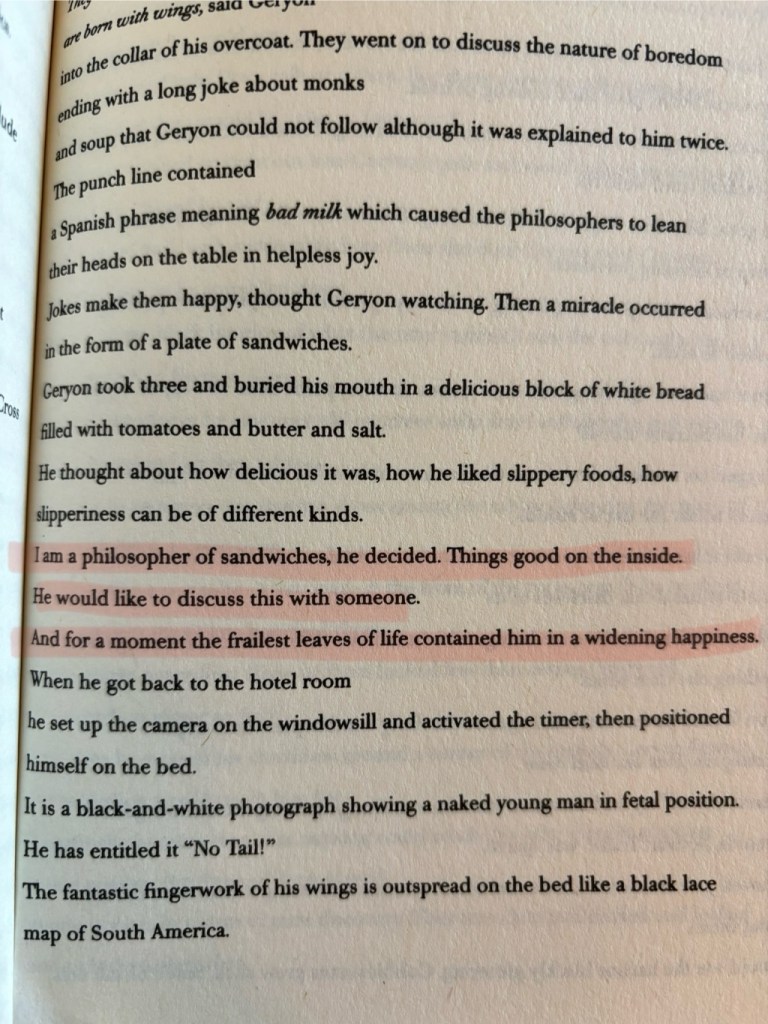
I honestly didn’t know what I was getting into when I picked this up; I have experience in neither poetry nor Greek mythology, but thankfully Carson’s reimagining (or renovation) of this ancient myth doesn’t really require knowledge of either to enjoy. Autobiography of Red blurs the lines between classicism and modernity and offers an easily approachable spin on narrative verse. Yes, Hades is an actual location in the novel, but so is Buenos Aires and Huaraz. There are airplanes and fast cars and towns built into the slopes of active volcanoes, and yes, Geryon has wings and can fly, but he is also just a moody, confused kid who is really into expressing himself through photography. And Autobiography of Red feels very much like a collection of snapshots—each short chapter starts with a single line that sets the scene, and then Carson goes to work with her visceral, multilayered prose to paint heartrending scenes of distance, insecurity, and tenderness. Instead of Herakles killing Geryon with an arrow to the skull as in Stesichorus’s poem, he kills him with emotional indifference, but this indifference leads to a sort of awakening in Geryon as he learns to embrace his true form as a beautiful, flying red monster.
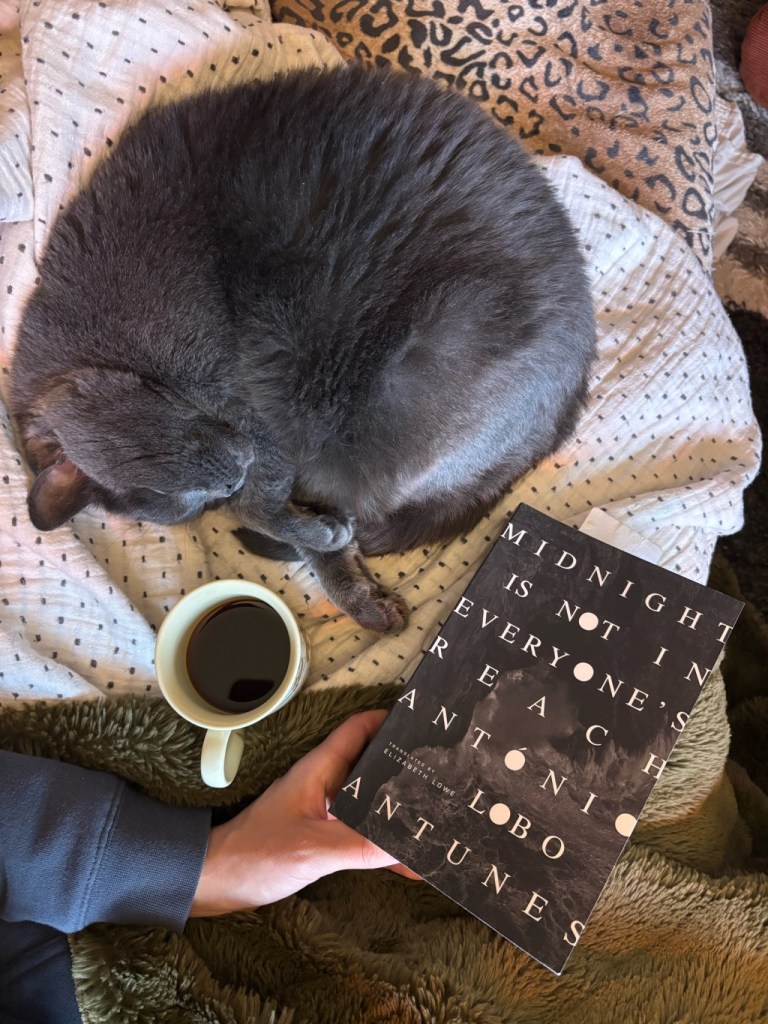
The best art is often times the art that challenges your perceptions and forces you to meet the artist halfway. In the realm of music I have often developed Stockholm syndrome in my attempts to grapple with perplexing styles, and through that effort I have turned many albums from ear antagonists into lifelong friends. The same can be said about books.
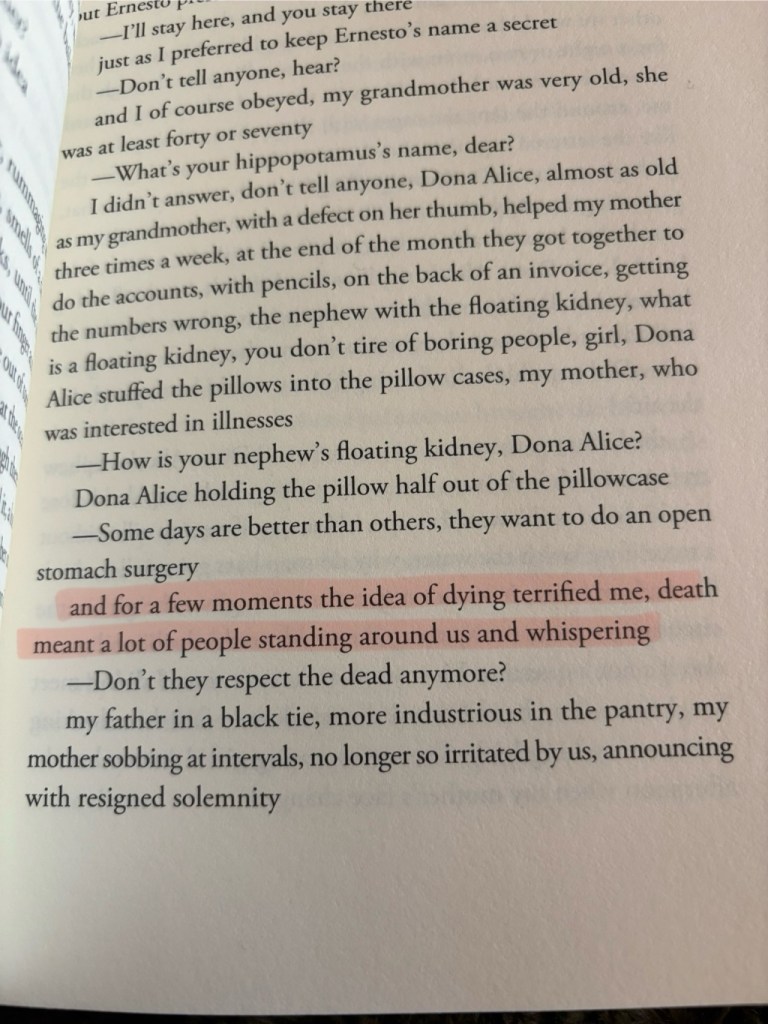
I say this because as much as I ended up loving Midnight Is Not In Everyone’s Reach upon completion, I cannot understate the challenge I faced in getting there.
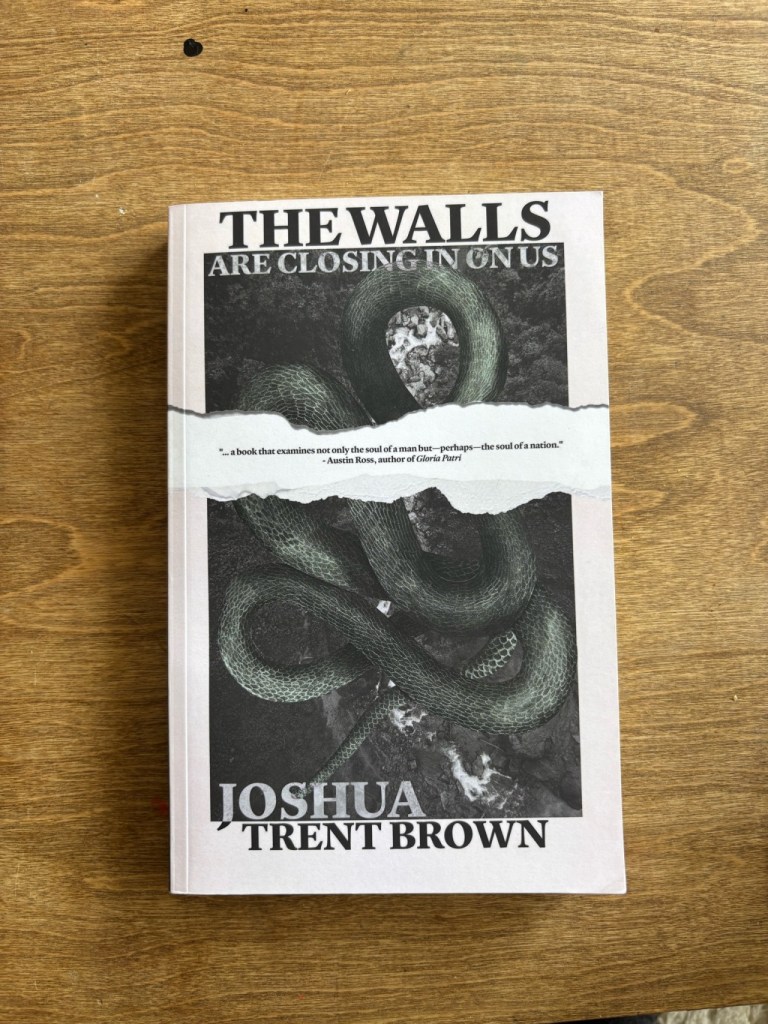
I don’t think I’ve ever cried more during a book than I did while reading The Walls Are Closing In On Us. Aside from the fact that the story is full of tragedy, my reading of it also coincided with a moment in my life where I had already been reflecting on my own experience of boyhood—trying to trace my finger back to the moment when that boy inside of me was suffocated and hollowed out, and trying to figure out why I put so much distance between myself and him, to the point where sometimes I doubt that any innocent part of me ever existed. Where did these walls come from that I erect both within and outside myself? Did the world put them there, or did I? Maybe it was a collaborative effort.
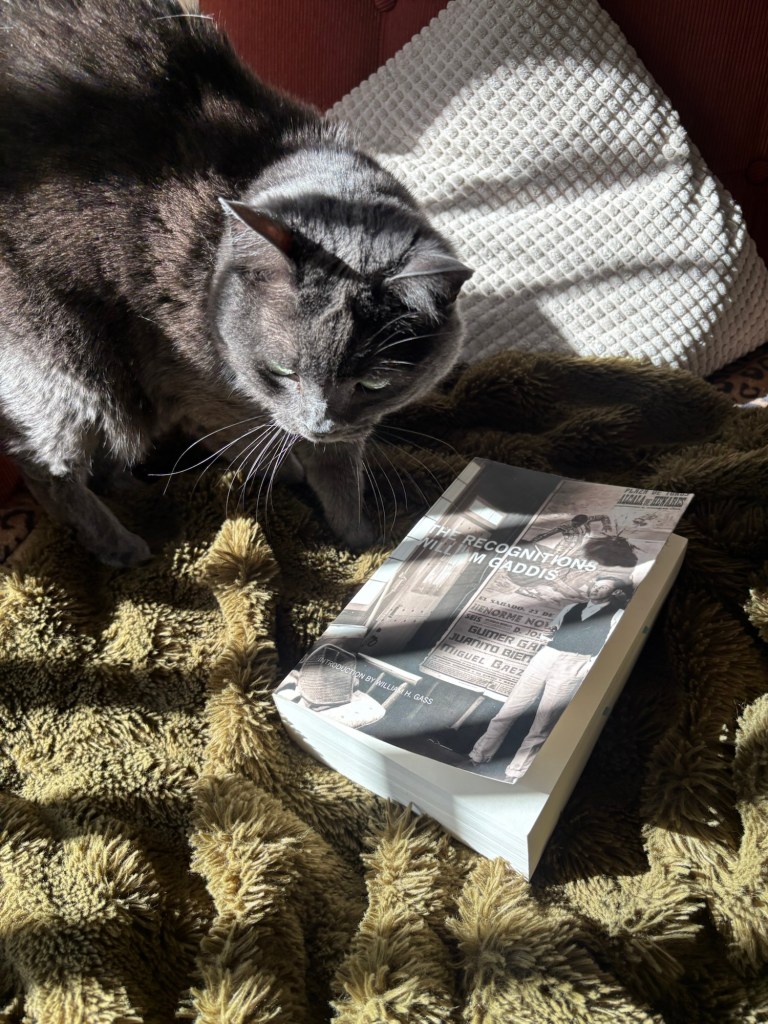
There is a certain type of prose that I love, and the only adjective I can think of to describe it is “claylike”—language that feels heavy but also soft and malleable like you could reach into the page and pull the words out in clumps. I don’t know how else to describe it. The only other author that I’ve applied this adjective to before is William H. Gass. Two very different authors, but they both manage to blend poetic prose and a sense of pathological shame into distinctly intoxicating narratives.
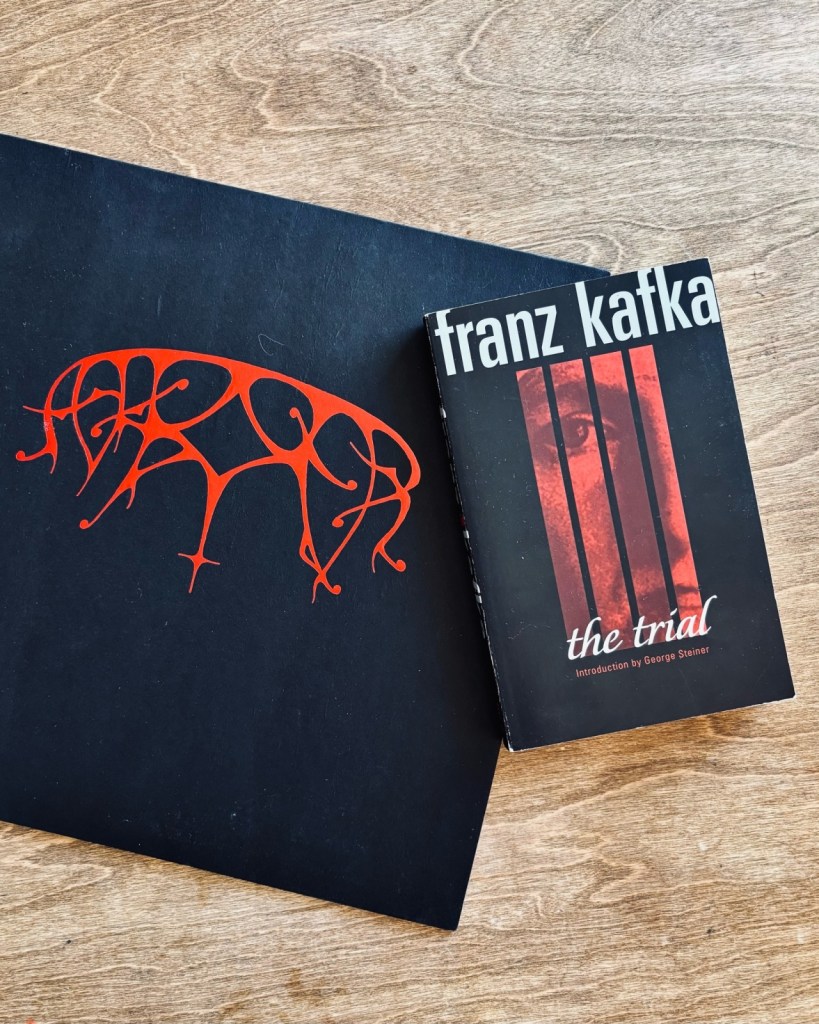
Kafka has lived in the back of my mind for years before I even had the inkling of an intention to read him purely because of how integrated into the cultural vocabulary the term “kafkaesque” has become over the past century. Finally reading him was like unlocking a watershed of new mental pathways. I couldn’t stop thinking about how everything I loved about the show Severance was present in this novel. The very idea of liminal space and uncanny valleys was granted a new dimension in the substrata of my brain, a place haunted by the presence of Lovecraftian horrors and bureaucrats with Cheshire grins.
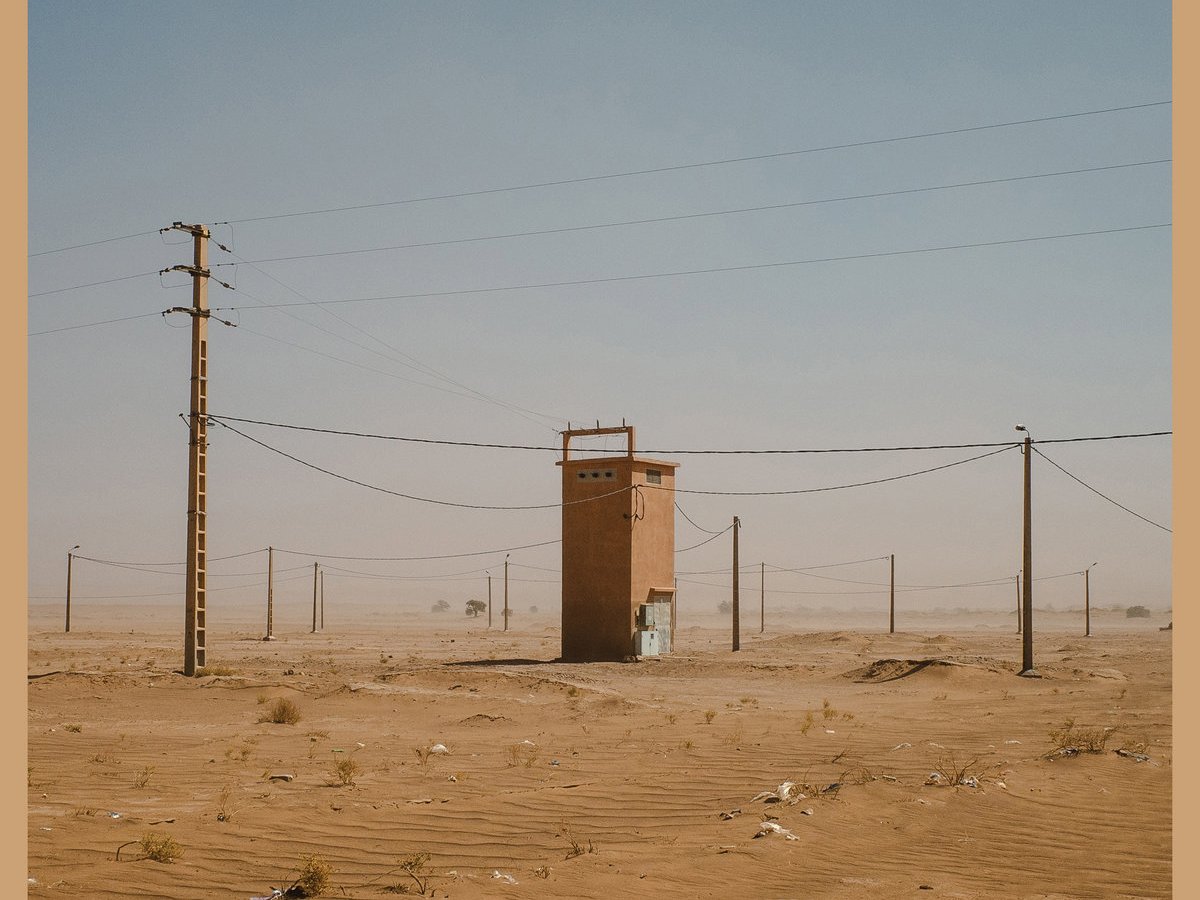
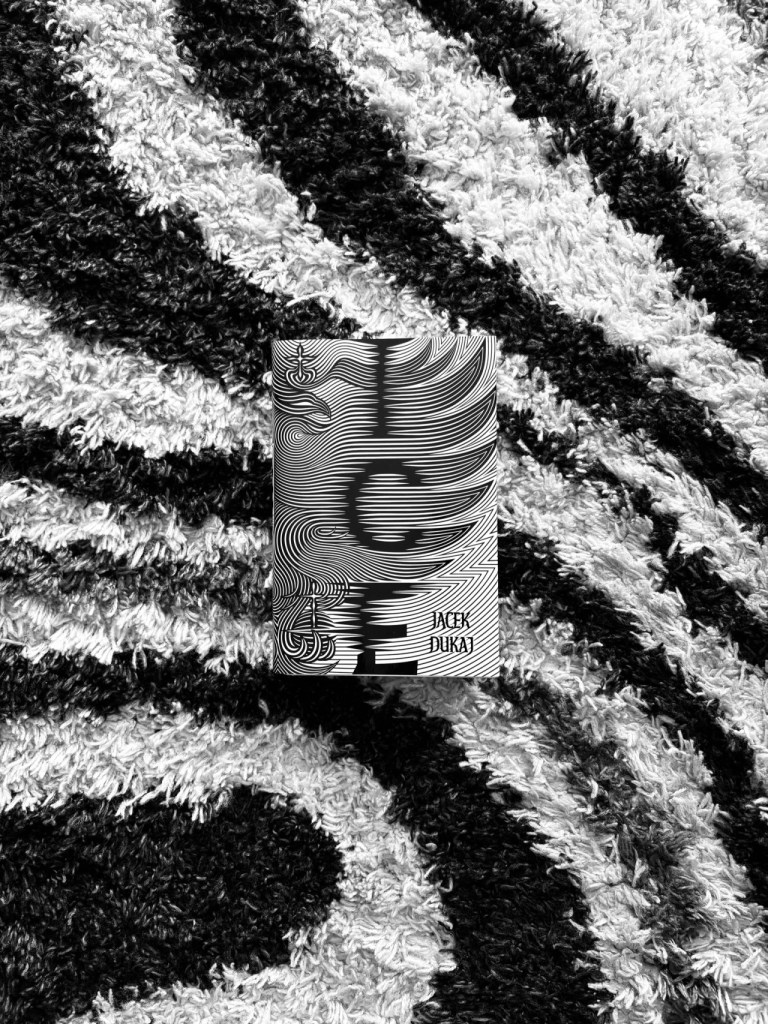
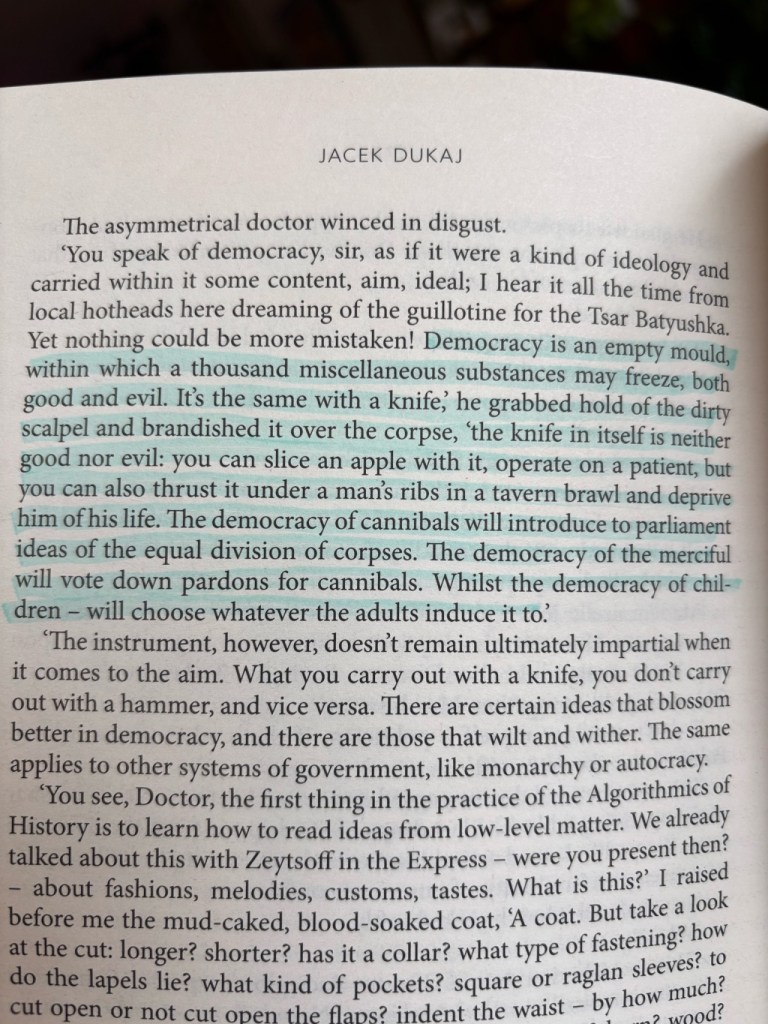
What is this… draft five? The more I think about writing a concise & comprehensive review for this book, the harder it gets. Complex plot aside, there is just so much to unpack on a philosophical level here, and I am no philosopher. I can’t spit elite ball knowledge about Aristotle, Hegel, Kant, Marx, Heidegger, and Berdyaev (who am I forgetting?) with any confidence, but Dukaj sure can. What I can say with authority is: I think I had more fun researching the theoretical subtext of Ice than I did reading its story.
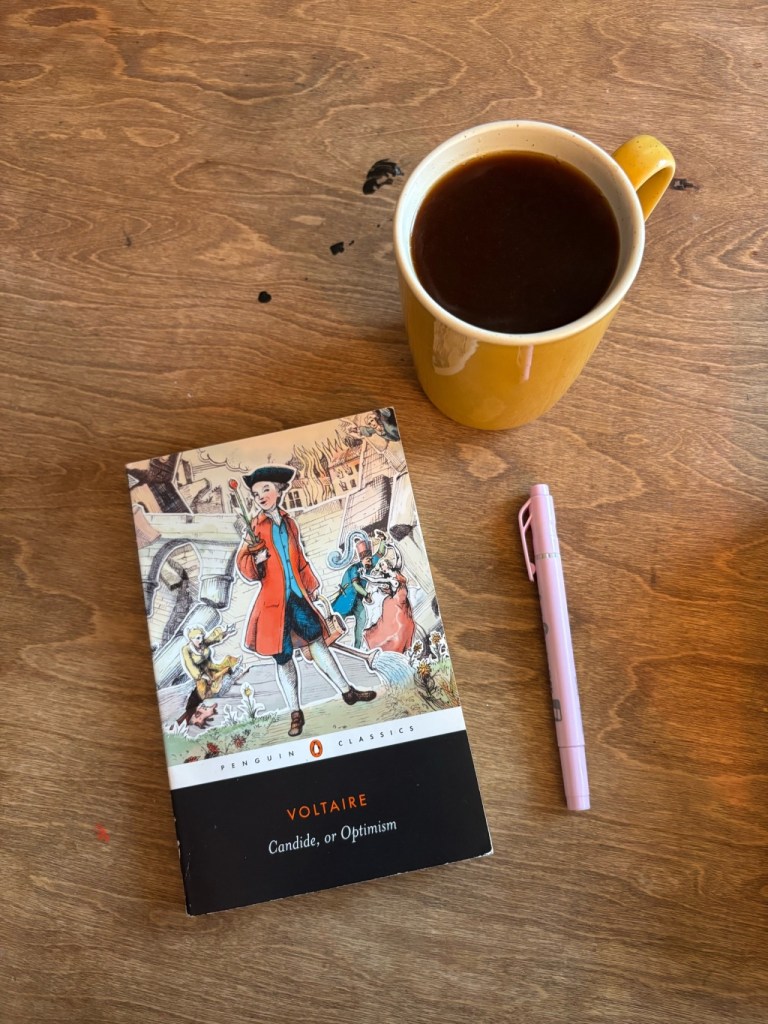
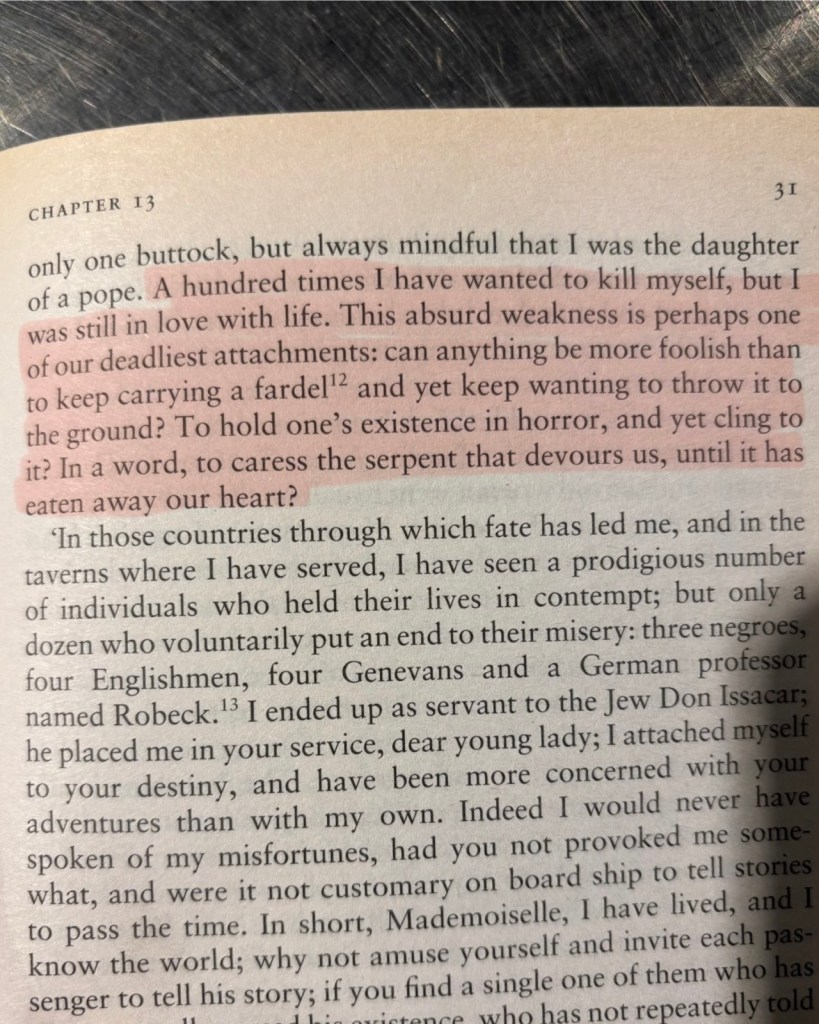
Voltaire blipped onto my radar after asking some discord friends for recommendations to bridge the gap between Cervantes’s Don Quixote (1605) and the 1800s. Candide, being published in 1759, fit the bill precisely, and while its story ultimately left me yearning for something more substantial to chew on (they weren’t exactly pushing the envelope of maximalist narratives in the 1700s), there are still plenty of reasons to pick this up and enjoy it in the 21st century and plenty of reasons why it still feels relevant.