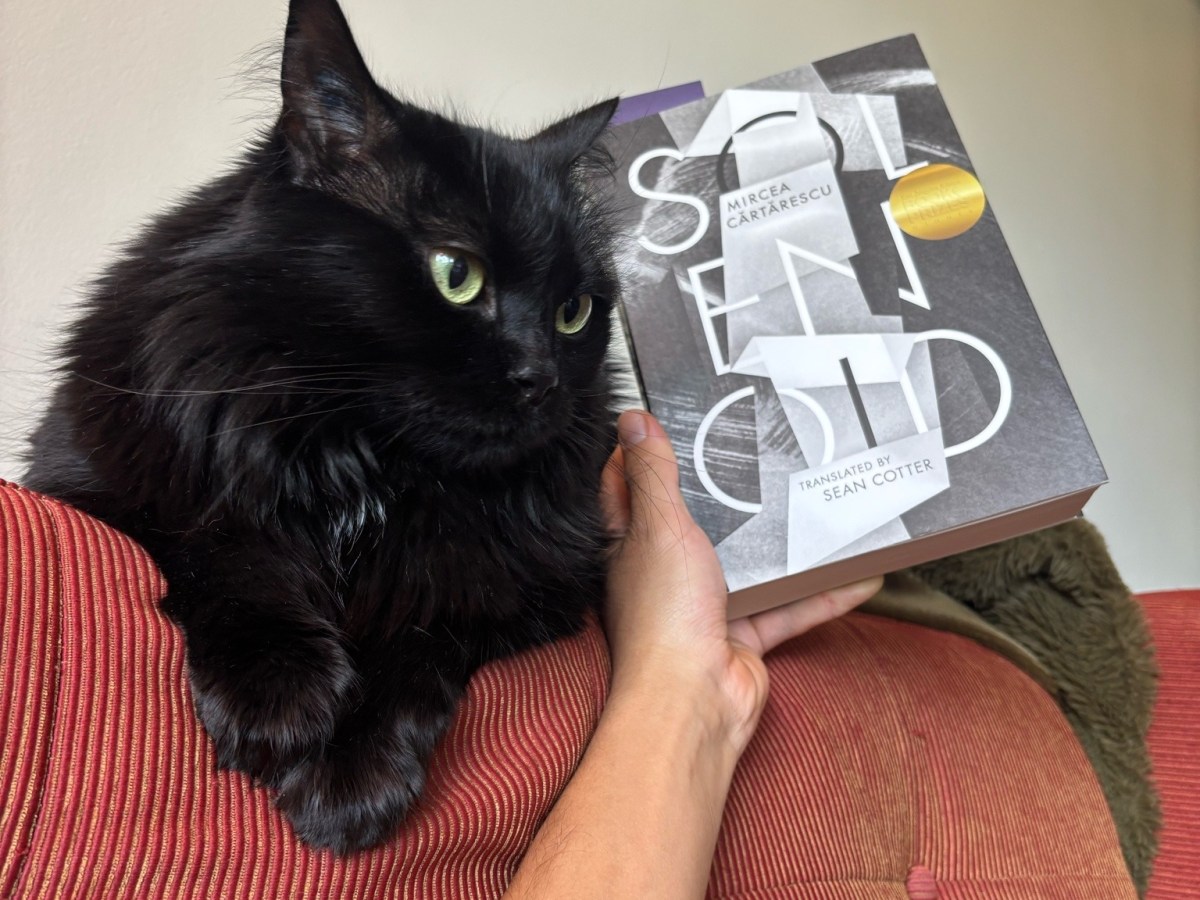
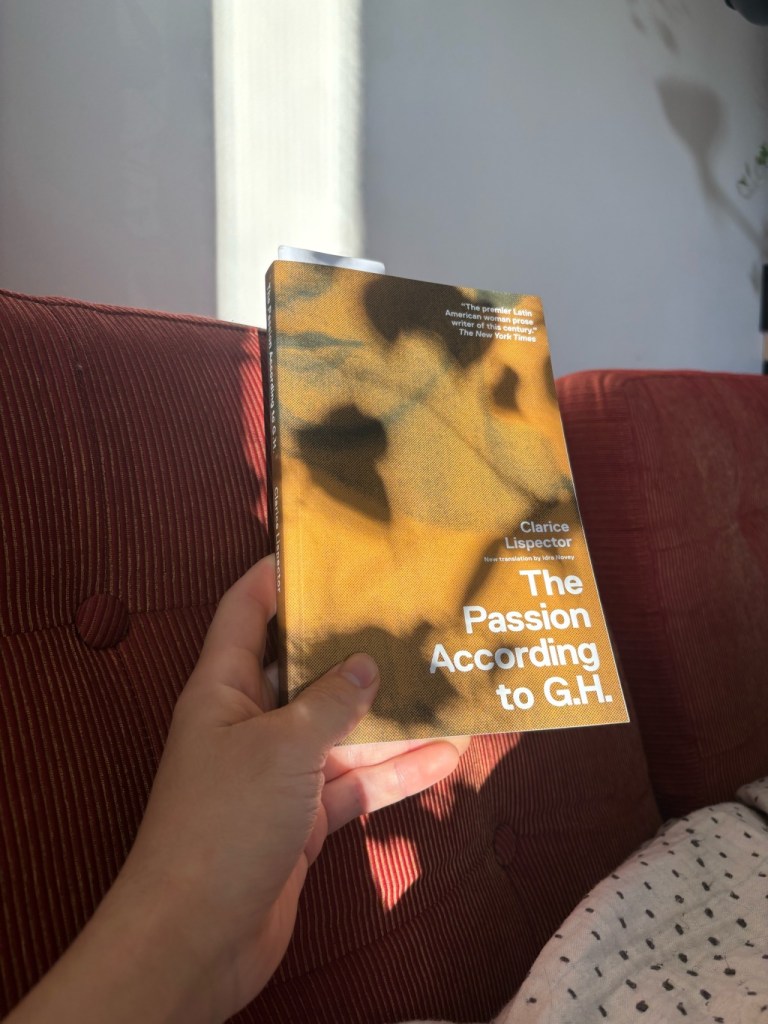
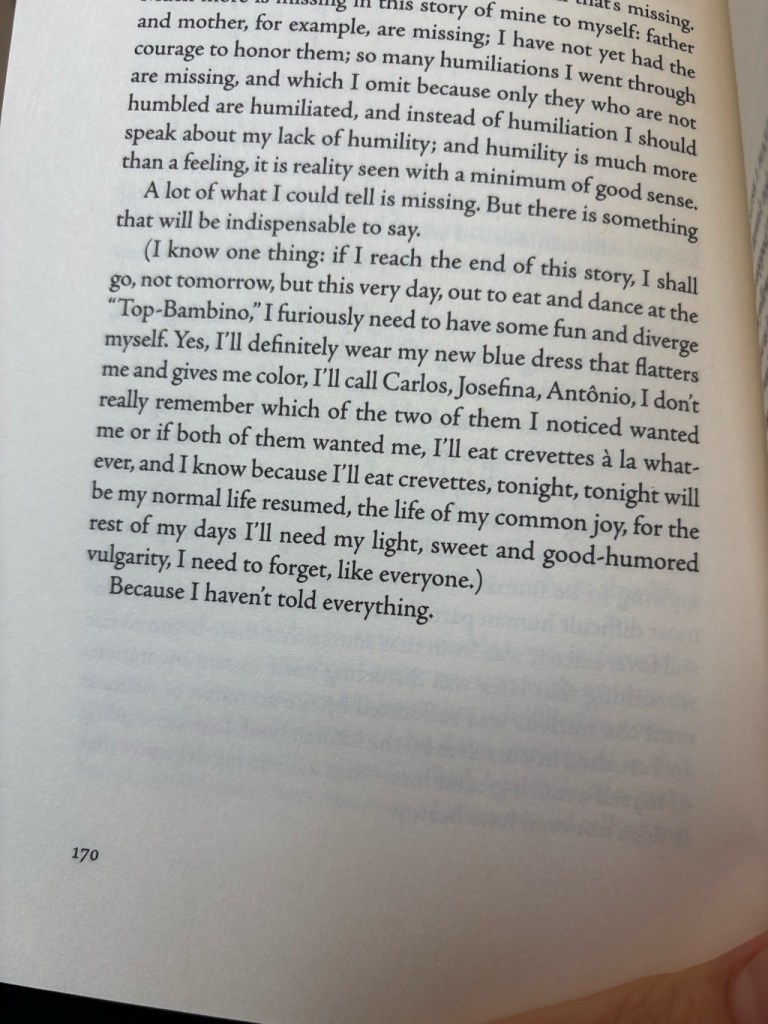
After being impressed (if not mystified) by the ingenuity of Água Viva back in January, I quickly hopped into The Passion According to G.H. with a friend, and we read it slowly over the course of ten days. It was great, as I expected, but I think reading it in small bites between other books did a bit of a disservice to Lispector. Lispector just has a flow to her prose that shan’t be broken; her stream of consciousness is a river, and the constant starts and stops made it hard for me to grasp the panoramic view of the ideas she was playing with. That being said, I still enjoyed what I got out of this book.
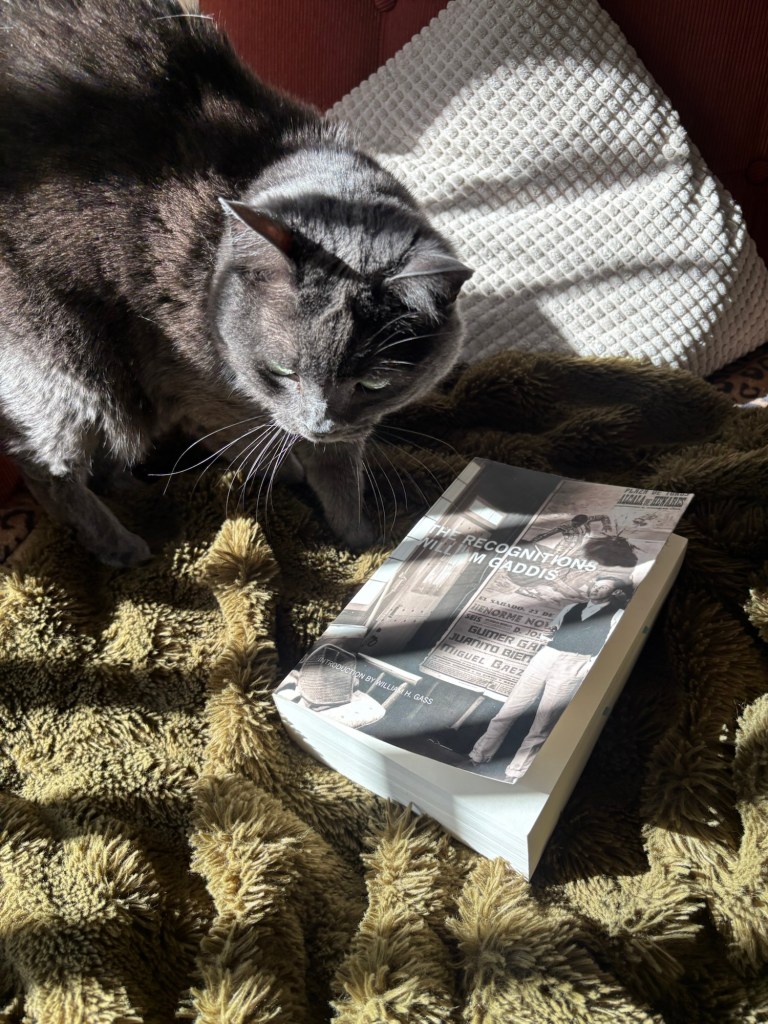
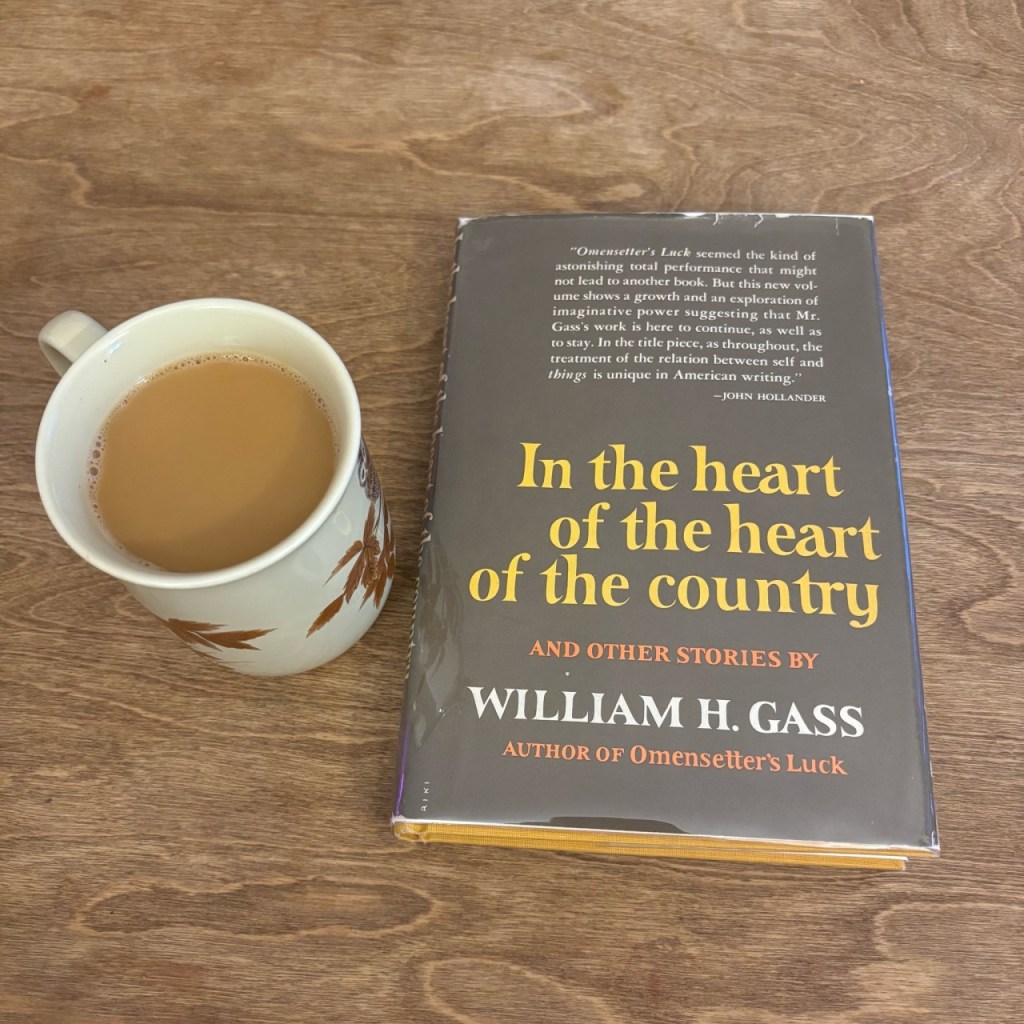
I found Gass’s prose to be of such an irresistible, clay-like tactility that I couldn’t help but rush to my copy of Omensetter’s Luck immediately after finishing In the Heart of the Heart of the Country. I haven’t been that enamored by an author since discovering Anna Kavan last year. It’s no surprise that both writers are not only incredibly bold stylists but also possess a knack for laying bare the ugliness of disordered and obsessive personalities; only Gass’s characters are much more hateful than they are melancholic, and like a psychological car crash, you just can’t help but get sucked into their negative thought spirals.
I’ve been looking forward to reading Gass for a long time, but I mostly picked this up because of its beautifully composed typographical cover—a little worn on the edges yet glistening in its mylar jacket. It’s beautiful on the inside too, with elegant lettering on the spine, soft deckled pages, wide margins, and an inky serif typeface. The heart of the country called to me, and I listened, but what I found in these five short stories was nothing short of darkness, decay, and neurosis. It was awesome, with some caveats.
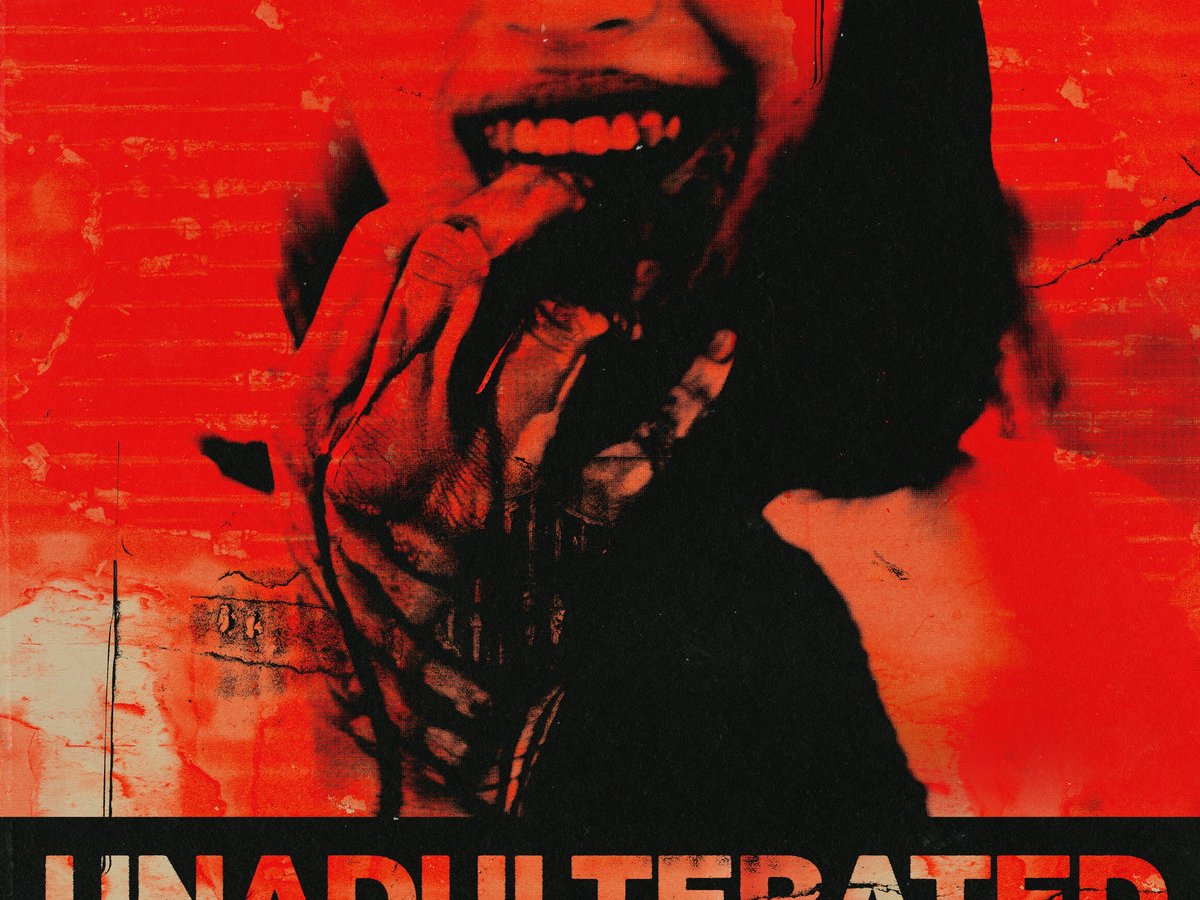
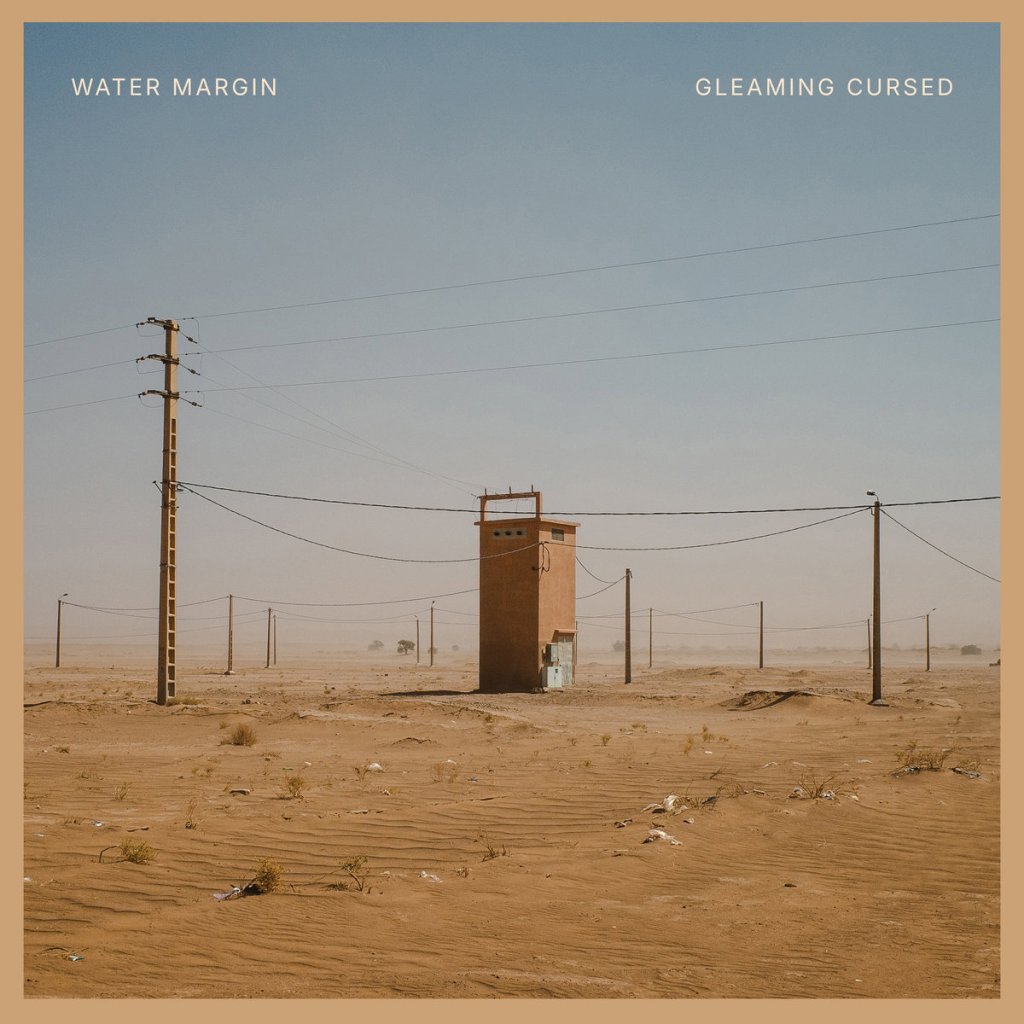
Gleaming Cursed, the debut LP from Vancouver-based post-hardcore retroists Water Margin, carries the torch of muscular rhythms and melodic funk sparked by the likes of Fugazi and Unwound and swaddled into the 21st century by fourth-wave math rock enthusiasts, and while Water Margin did indeed inherit a knack for noodling and a sense of numerical order to their compositions that makes moments of noise like the warped guitar interplay in songs “Bad Jazz” and “Palisades” appear like a wrist tattoo flashing out of a French cuff (and in fact the lyrics on this record do a great job of further illustrating that abstraction of humanity—bottlenecked by capitalist bureaucracy), Gleaming Cursed is still very much a rock-first, calculate-later type of record—one that never sacrifices its bombastic jousts of guitar and cruising bass lines for overly flashy formulae. This is punk rock, just a bit older, wearing a sweater vest and cracking jokes about death by the water cooler as human ambition fractures the land with aridity. “Cash maze, no roof—there’s one way out.”
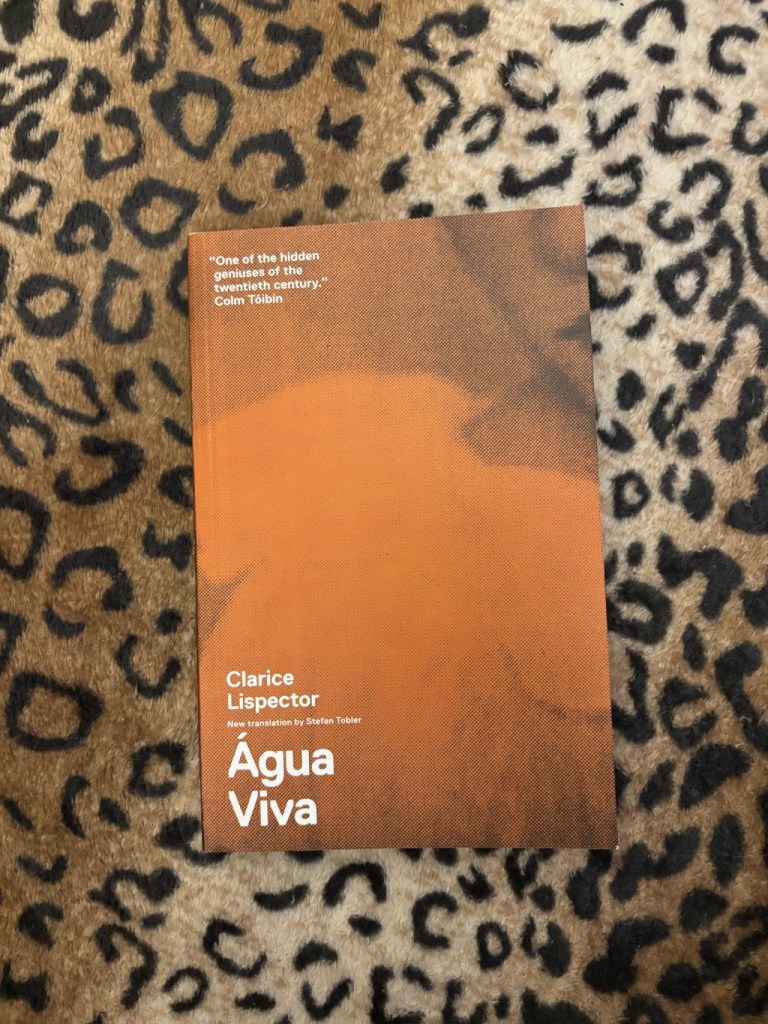
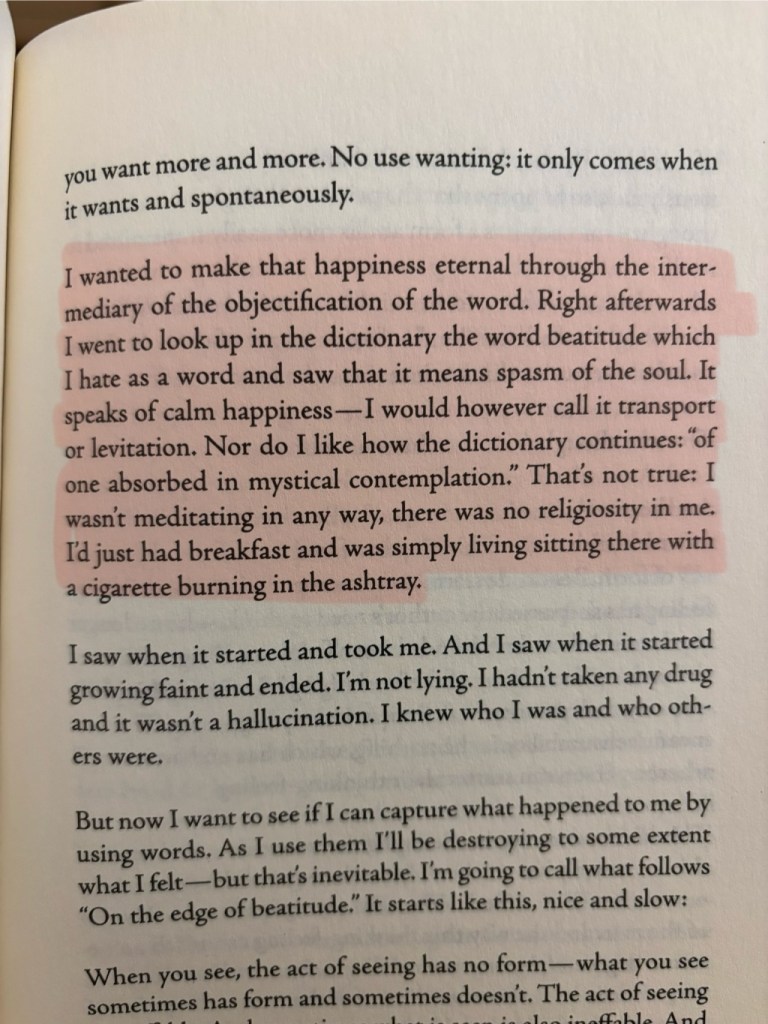
Água Viva is not a novel, and this is not a review—I have no stars to award something that isn’t even playing for the judge’s panel; this is an attempt to contextualize a series of interconnected paragraphs that materialized from the abyss of an unknown consciousness and landed like daggers on the page. You see, Água Viva is not a story; it has no characters and no corporeal realm to occupy; it is concerned purely with being—it’s a literary exorcism, a birth, a violent becoming of life. Lispector taps into the source of untamable spirit and lets Jesus take the wheel, essentially. At times reading Água Viva felt like watching a sentient spark of electricity bounce from corner to corner of each page, searching frantically for a sense of structure, only for it to find none and continue blazing its path with ferocity anyway.
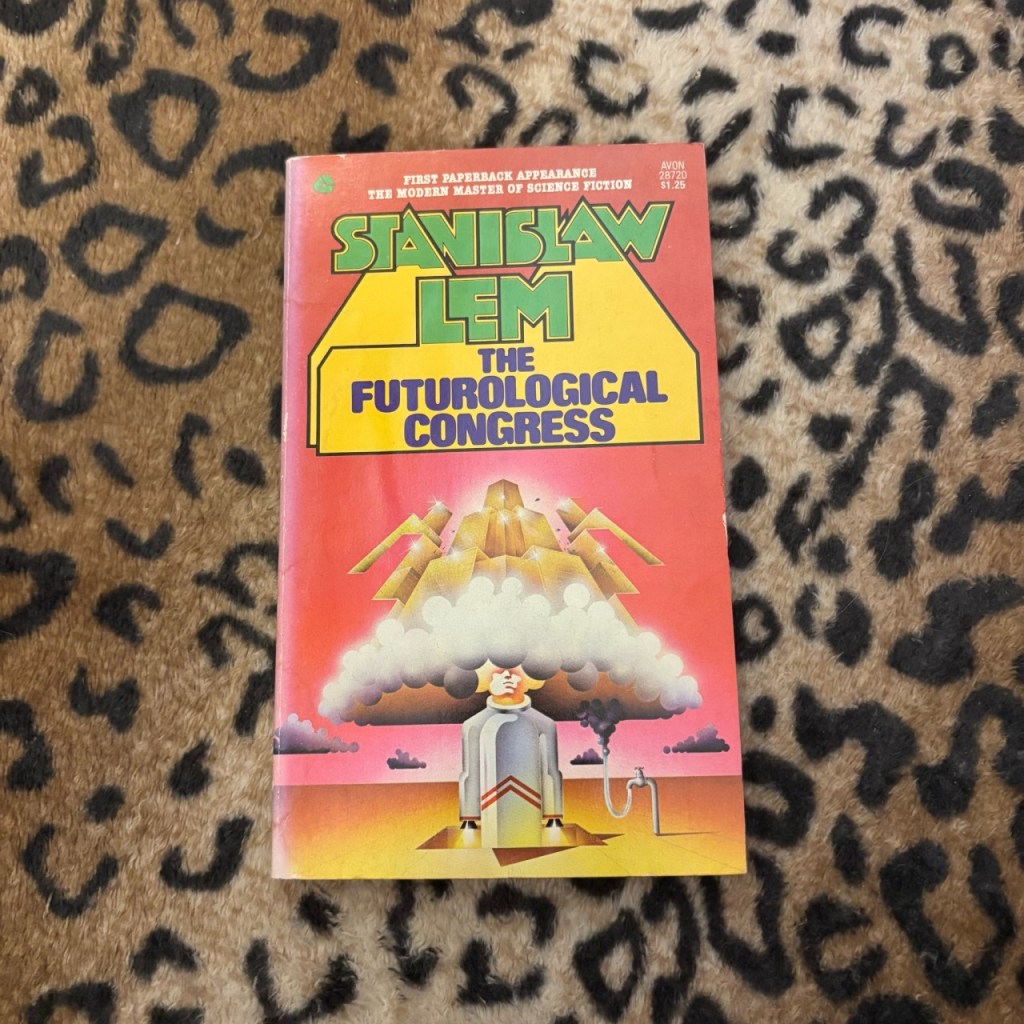
The Futurological Congress is an absolute blast of a novel; 142 pages of full-throttle, balls-to-the-wall satire that revels in utter absurdity while still cutting straight for the throat with its sociopolitical critiques. Through the extrapolation of chemical warfare and unchecked capitalism, Lem envisions a world in which an entire population is under constant control of mind-altering hallucinogens and asks the question of whether or not this is a moral pathway for humanity to take if the drugs ultimately result in an egalitarian utopia.
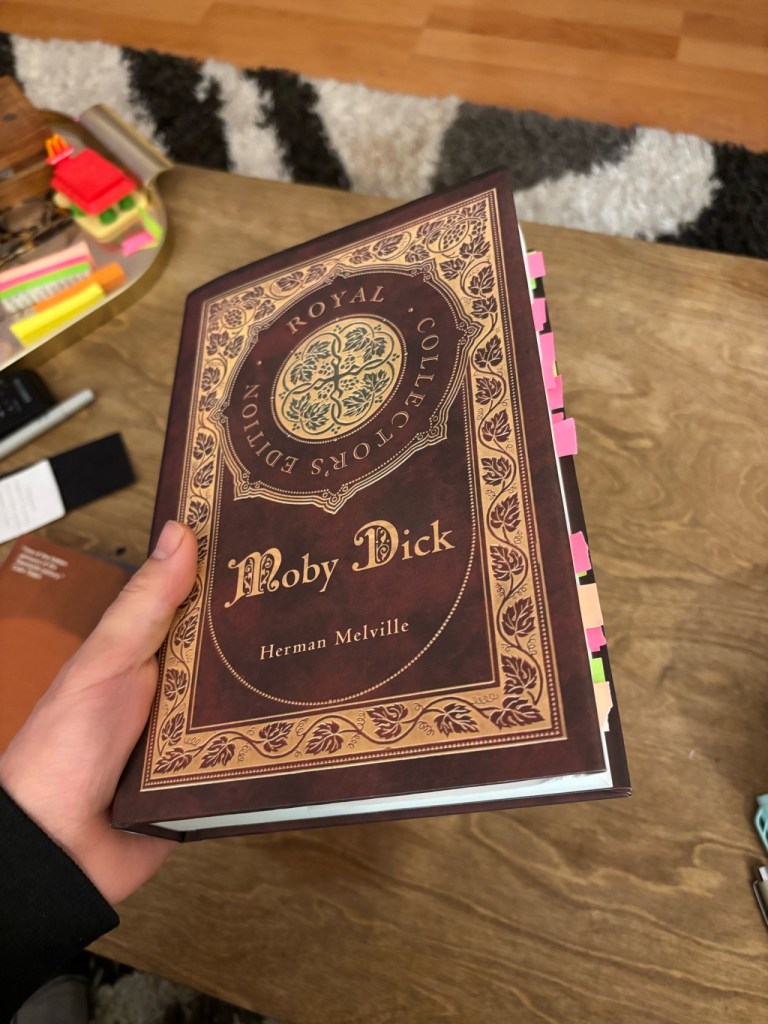
Read American literature long enough and you’ll soon notice a pattern of all your favourite writers being influenced by this goddamn whale book. What gives? Moby Dick has always had a bit of a reputation for being boring (at least amongst my peers). People complain about long chapters in which our narrator, Ishmael, just nerds the fuck out about absolutely everything. Like, entire chapters about ropes, hooks, sails, pots and pans, or a multi-chapter walkthrough on how to catch, dissect, and extract resources from a whale. You name it, Ishmael will talk about it with analytic detail, but I’d argue that is where the majority of the juice lies in this book.
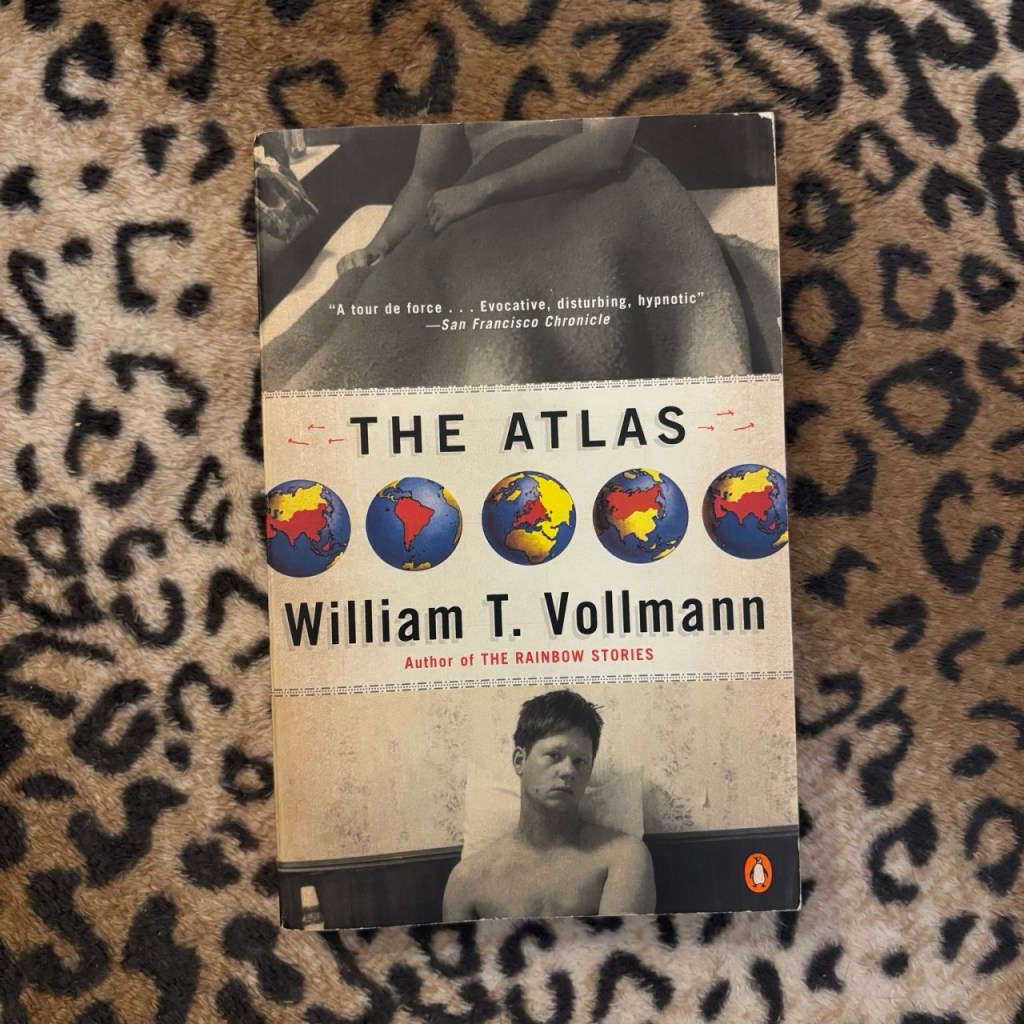
The Atlas is a very interesting book when looked at in the larger context of Vollmann’s bibliography, because in some ways it represents the nucleus of his career in one neat package—Vollmann traveled the world extensively as a journalist, war correspondent, and ruthless researcher of his own whims, and The Atlas pulls together all of these intimate behind-the-scenes sketches from the experiences that would go on to form his larger works. It’s almost humorous that Vollmann wrote a book about Copernicus called Uncentering the Earth, because The Atlas is very much the center of Vollmann’s universe, and all of his other works orbit around it.
Why 11? Well, I had my top 10 established but then I realized how unfair it would be to not include Miss MacIntosh in the stack just because my completion of it missed the deadline by a few days. After reading 1000 pages of it in December I think I have the right to claim it as one of my favourites of the year, and time is fake anyway, so I’m putting it in the damn pile.
This year has been huge for me in terms of broadening my horizons. I started my reading journey not too long ago as a pure sci-fi reader, but then I read Gene Wolfe at the start of the year and he really opened the floodgates of literary fiction for me. Then I read stuff like Vollmann and Bolaño and Rulfo and all bets were off, I quickly realized that genre conventions don’t matter to me half as much as the themes explored and the prose employed to get there, and all of a sudden an entire new world of literature opened before my eyes.
Without further ado, and in no particular order:
We by Yevgeny Zamyatin
GENRE: DYSTOPIAN SCI-FI
A psychological sci-fi thriller like no other. We takes place in a far future authoritarian state where the citizens have been walled off from the outside world and every hour of their day is mandated and scheduled by the glorious Benefactor and his bureaucracy. One day, our main character, D-503, has a sudden awakening that causes him to spiral as he questions everything he’s ever know about himself and his surroundings. One of my favourite things about this novel is how, as our protagonist spirals further out of control, the narrative itself (written as a series of journal entries) becomes more frenetic and disorganized, and it really makes you feel like you are in the head of someone who is dissociating from reality. An exciting read that really hits the nail on the head with its social and political critiques.
Well, here it is. Things are a bit different this year. Not only is there not a single metalcore record on this list (gasp!), but I have also cut the entries down to 20 albums because, honestly, I just didn’t listen to as much new music in 2025 as I did prior. But that isn’t such a bad thing. I kind of fell into a bad habit of seeking new music purely to write about it; I would binge an album, review it, then discard it like Andy tossing of Woody under the bed, and it wasn’t healthy (it resulted in some badly written reviews also, imo). Over the past few months I’ve kind of just been replaying comfort albums and exploring a bit of jazz, and it’s been great.
But enough about me, here are my favourite albums of 2025:
Man, this album was such a pleasant surprise. P.S. Eliot, Swearin’, and Waxahatchee have all been instrumental companions to various moments of my youth and adulthood, so to see the Crutchfield sisters get back together made me ecstatic. Snocaps seamlessly builds off of the individual strengths that both sisters have developed over the past 20 odd years and emerges as a triumphant homecoming affair that is only further bolstered by the addition of MJ Lenderman and producer/multi-instrumentalist Brad Cook to round out the lineup. The chemistry between these four musicians feels as natural as sweet corn and sunshine, but this is very much a Crutchfield sisters album, combining Katie’s Americana imprint with Allison’s proclivity toward punk and indie pop, and with their voices harmonized, the result is a perfect cocktail.