

Category: book reviews

  • Book Review: How I Killed The Universal Man by Thomas Kendall (2023)

    🌕🌕🌕🌕🌑

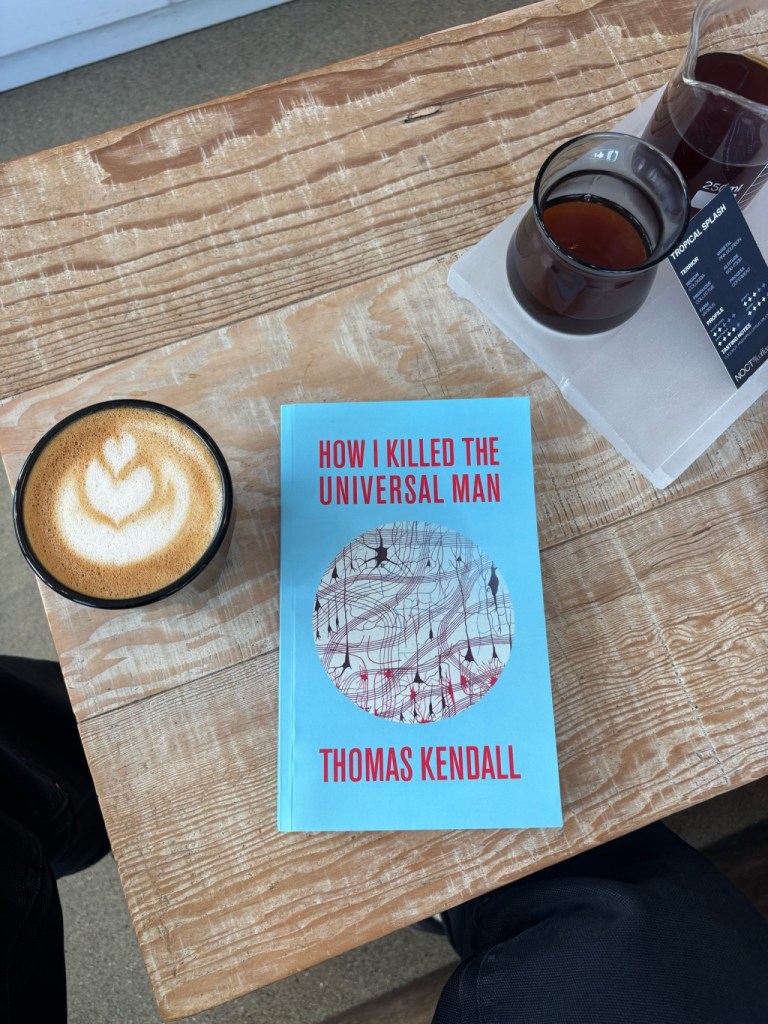
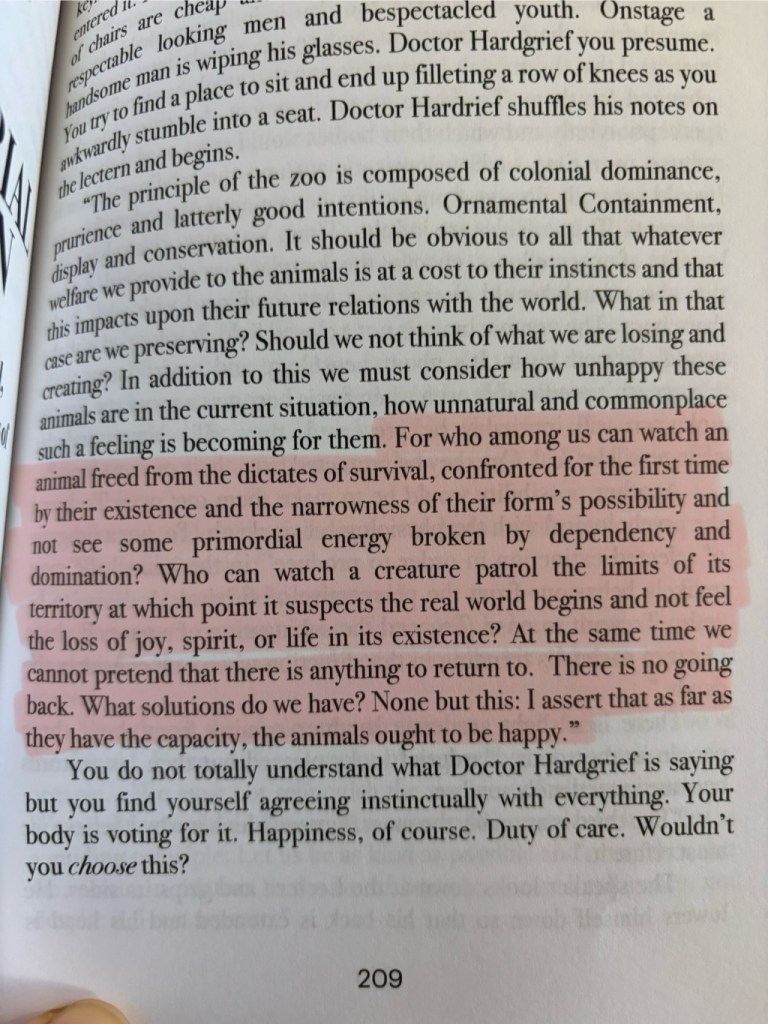
    How I Killed The Universal Man both met and completely subverted my expectations. I was prepared for a Dickian sci-fi novel about pervasive tech and experimental drugs in a not-so-distant hypercapitalist future, but I was met with something much stranger and, ultimately, more human. Kendall draws you in with the story of Lakerman, a burnout journalist working on a gonzo piece about a new antidepressant called Noumenon and its head researcher who has mysteriously vanished, but as Lakerman signs up for the pharmaceutical trial and becomes inundated with chemicals and biological implants, Kendall yanks the sink plug, and the narrative begins to spiral rapidly downwards through several layers of virtual and hallucinatory abstractions.

    (more…)
  • Book Review: Rocannon’s World by Ursula K. Le Guin (1966)

    🌕🌕🌕🌗🌑

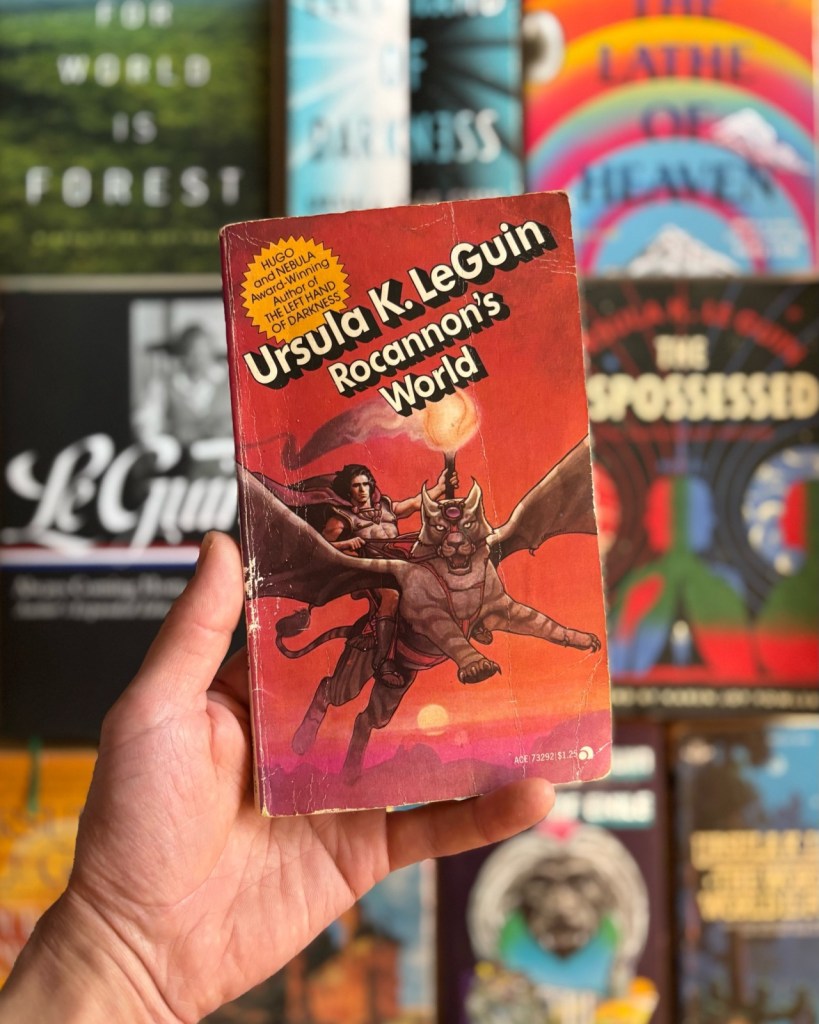
    I am a huge advocate for always keeping some vintage science/fantasy paperbacks in your TBR stack as a way to replenish your whimsymeter in between postmodern anguish simulations. Embracing the pure joy of imagination and storytelling is the best ward against all sorts of reading slumps, mumps, bumps, and lumps, and I can’t think of a better author to fulfill that role than Le Guin. Not only will she refill your whimsymeter, she will stimulate your brain and satisfy your soul at the same time. Even in her first published novel, she was writing with a level of intelligence and empathy that far outweighed most of her peers. Rocannon’s World may be her pulpiest, most quest-driven novel (perhaps apart from Earthsea, which I haven’t read), full of swords, mystical beings, and giant cats with fucking WINGS, but it is also surprisingly complex and full of all the little sociological and technological details that you would expect from a Le Guin novel.

    (more…)
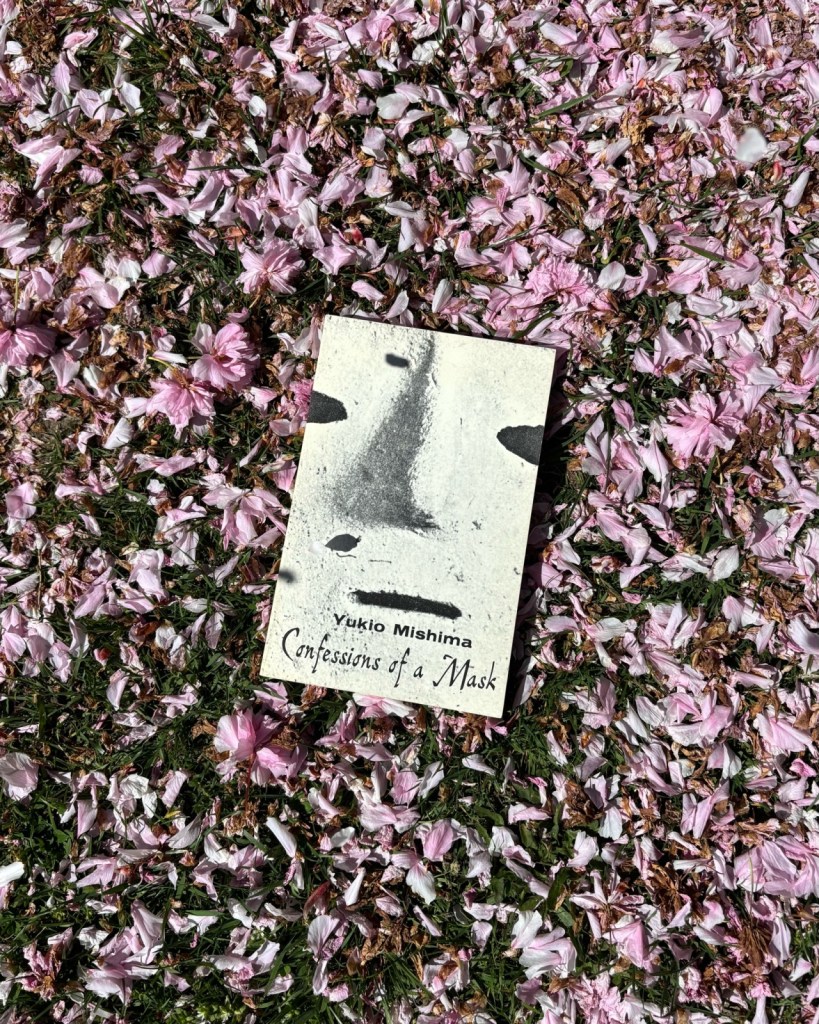
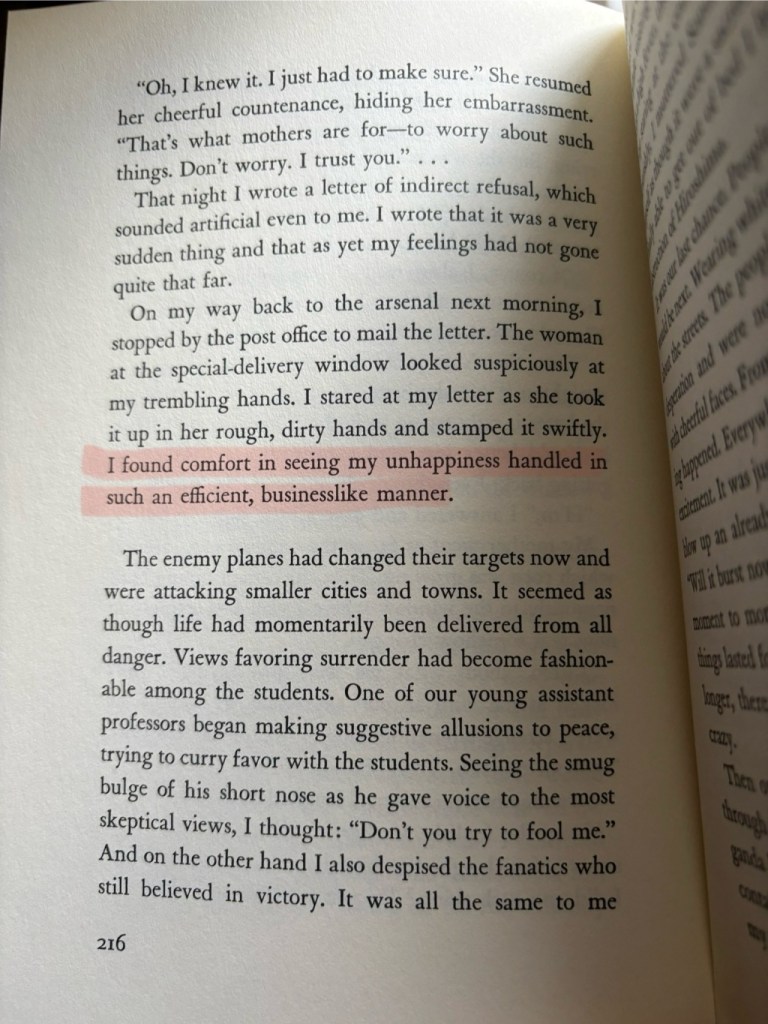
  • Book Review: Confessions of a Mask by Yukio Mishima (1949)

    🌕🌕🌕🌗🌑

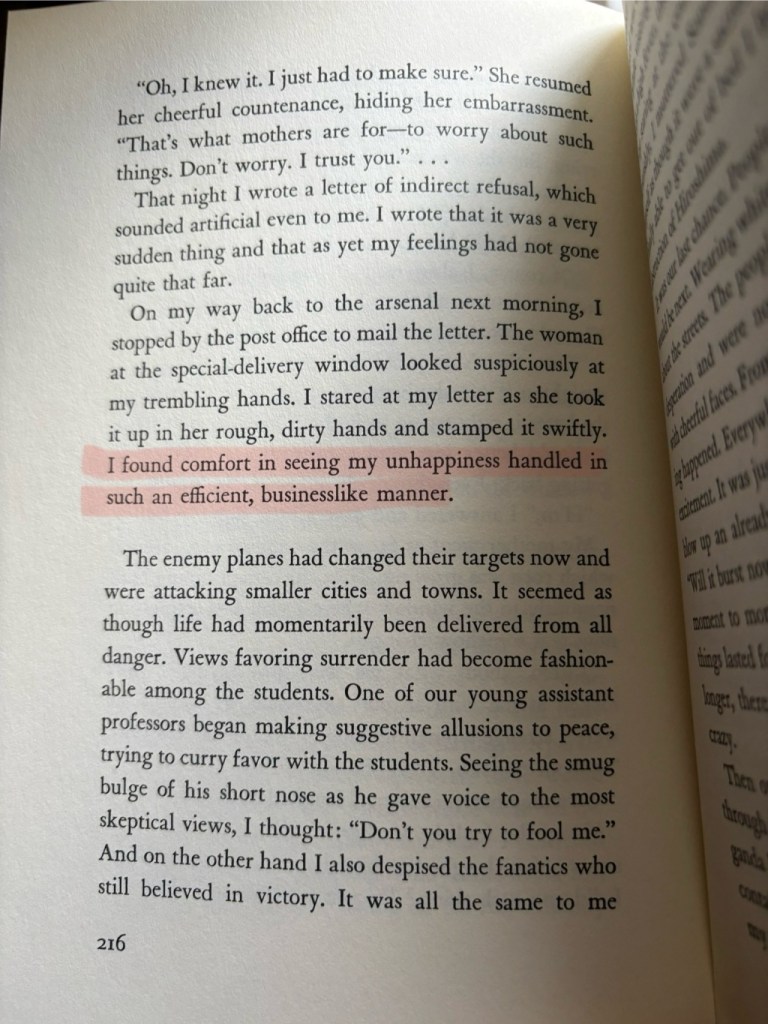
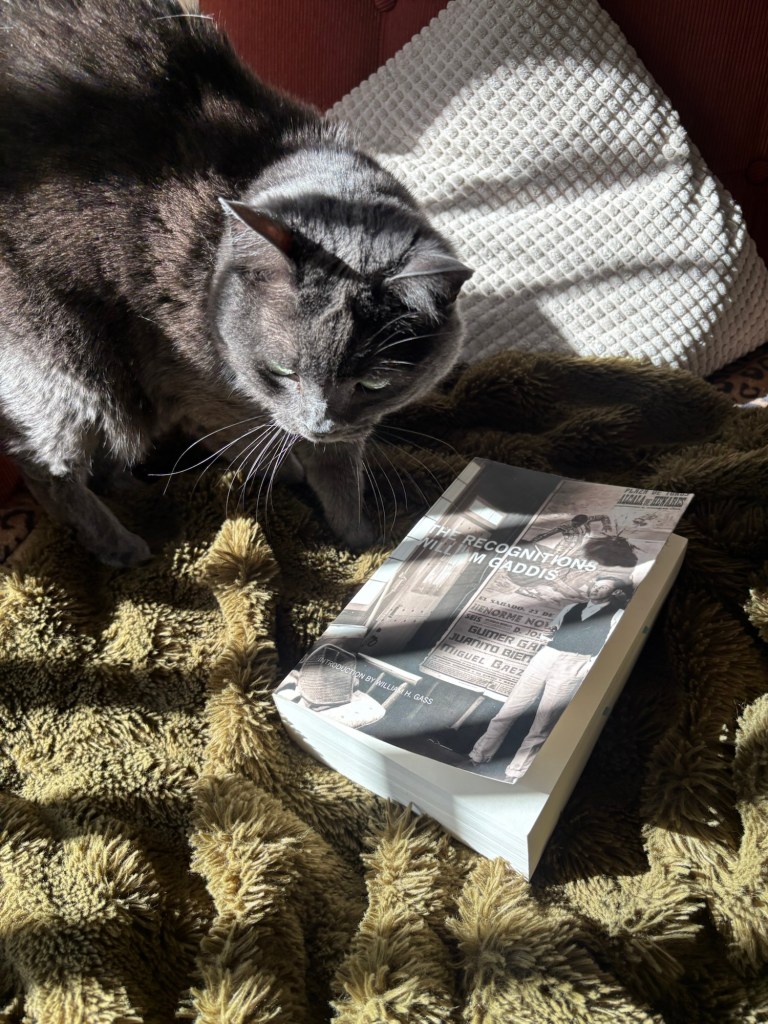
    There is a certain type of prose that I love, and the only adjective I can think of to describe it is “claylike”—language that feels heavy but also soft and malleable like you could reach into the page and pull the words out in clumps. I don’t know how else to describe it. The only other author that I’ve applied this adjective to before is William H. Gass. Two very different authors, but they both manage to blend poetic prose and a sense of pathological shame into distinctly intoxicating narratives.

    (more…)
  • Book Review: The Trial by Franz Kafka (1925)

    🌕🌕🌕🌕🌕

    Kafka has lived in the back of my mind for years before I even had the inkling of an intention to read him purely because of how integrated into the cultural vocabulary the term “kafkaesque” has become over the past century. Finally reading him was like unlocking a watershed of new mental pathways. I couldn’t stop thinking about how everything I loved about the show Severance was present in this novel. The very idea of liminal space and uncanny valleys was granted a new dimension in the substrata of my brain, a place haunted by the presence of Lovecraftian horrors and bureaucrats with Cheshire grins.

    (more…)
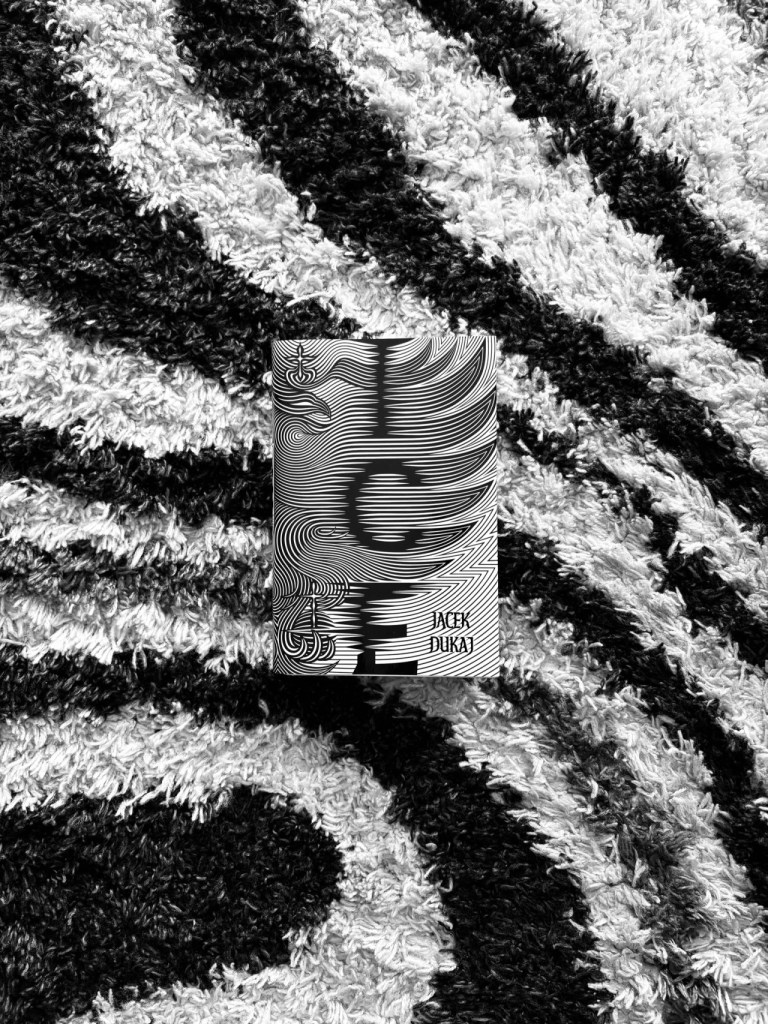
  • Book Review: Ice by Jacek Dukaj (2007)

    🌕🌕🌕🌑🌑

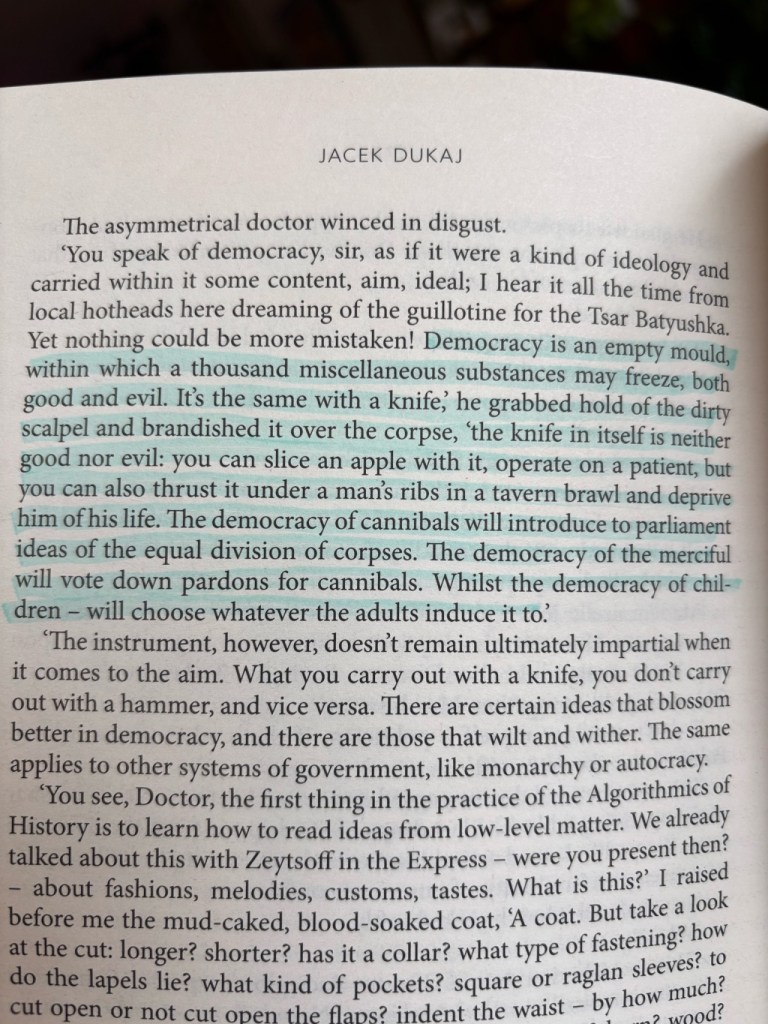
    What is this… draft five? The more I think about writing a concise & comprehensive review for this book, the harder it gets. Complex plot aside, there is just so much to unpack on a philosophical level here, and I am no philosopher. I can’t spit elite ball knowledge about Aristotle, Hegel, Kant, Marx, Heidegger, and Berdyaev (who am I forgetting?) with any confidence, but Dukaj sure can. What I can say with authority is: I think I had more fun researching the theoretical subtext of Ice than I did reading its story.

    (more…)
  • Book Review: Light by M. John Harrison (2002)

    🌕🌕🌕🌗🌑

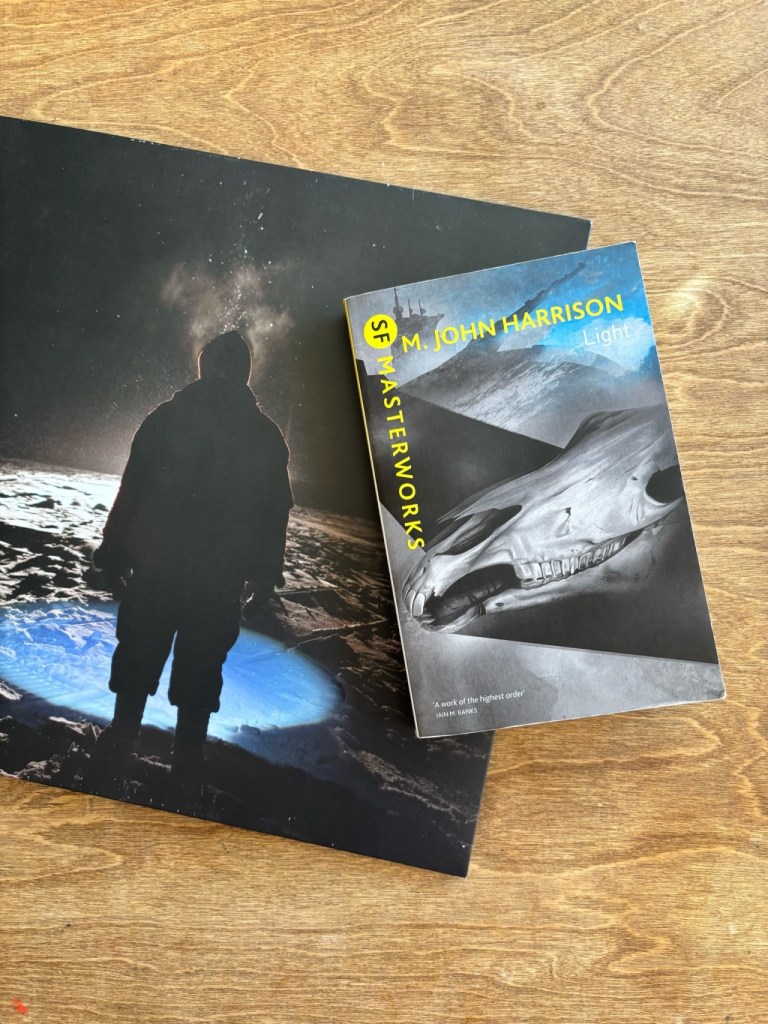
    I initially found out about M. John Harrison because his Viriconium sequence is often cited on lists of ‘books for fans of Gene Wolfe,’ but I decided to go with Light as my first novel by him because, well, I found it first.

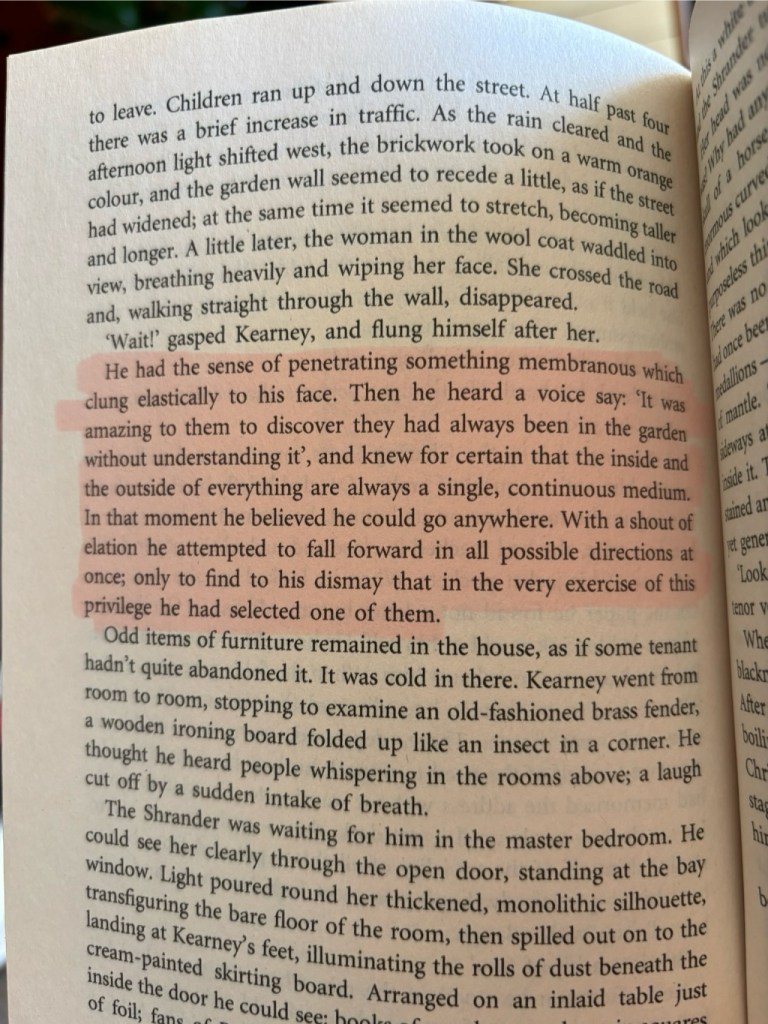
    This book was great. I didn’t know what to expect going in, but Harrison’s writing pulled me in quickly. His prose almost reminds me of a more graceful, less syntax-heavy Gibson—nimble and descriptive—but that could just be the cyberpunk influence talking. Harrison’s use of language ultimately didn’t wow me as much as his skill at constructing a story of three parallel narratives that feel deeply connected despite taking place more than a millennium apart in time. These stories are connected only by thin, omnipresent threads of light: a white cat, an anomaly in the fabric of space teeming with Lovecraftian tech, and the haunting presence of greater, potentially malevolent power.

    (more…)
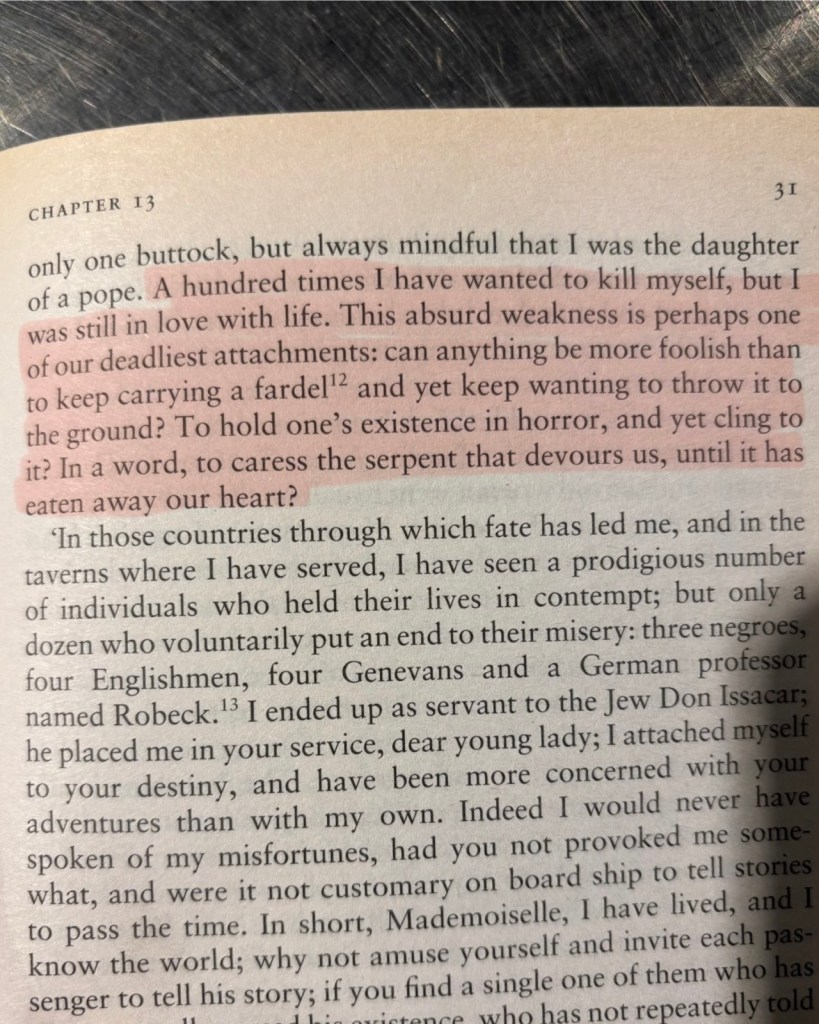
  • Book Review: Candide, or Optimism by Voltaire (1759)

    🌕🌕🌕🌑🌑

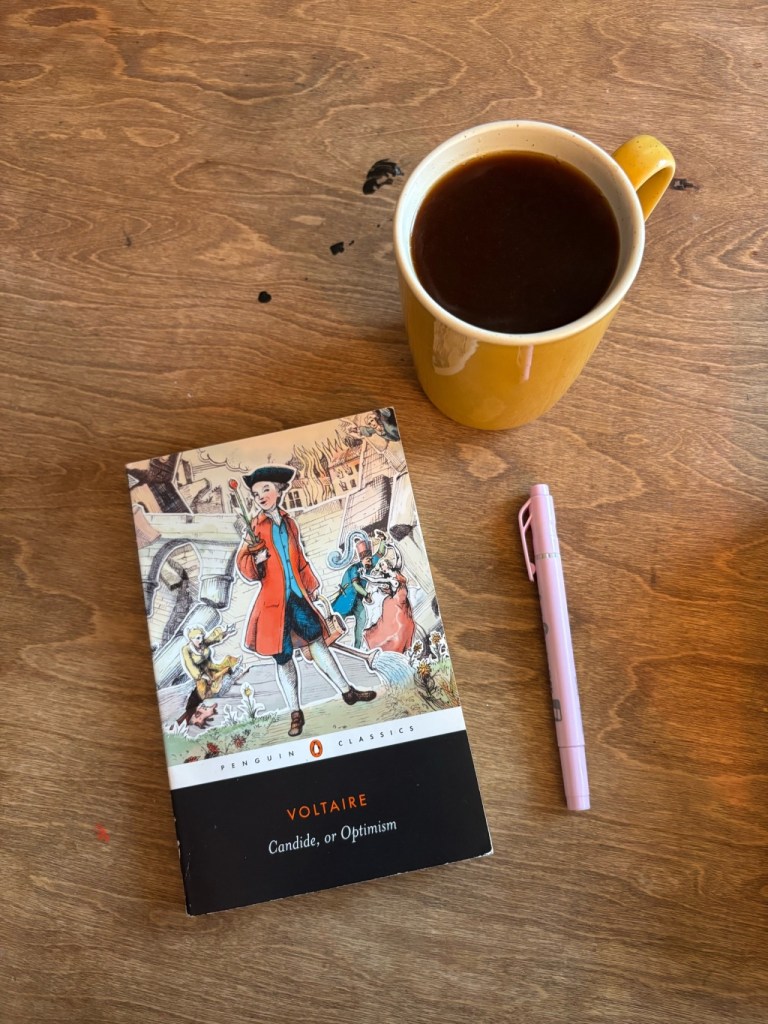
    Voltaire blipped onto my radar after asking some discord friends for recommendations to bridge the gap between Cervantes’s Don Quixote (1605) and the 1800s. Candide, being published in 1759, fit the bill precisely, and while its story ultimately left me yearning for something more substantial to chew on (they weren’t exactly pushing the envelope of maximalist narratives in the 1700s), there are still plenty of reasons to pick this up and enjoy it in the 21st century and plenty of reasons why it still feels relevant.

    (more…)
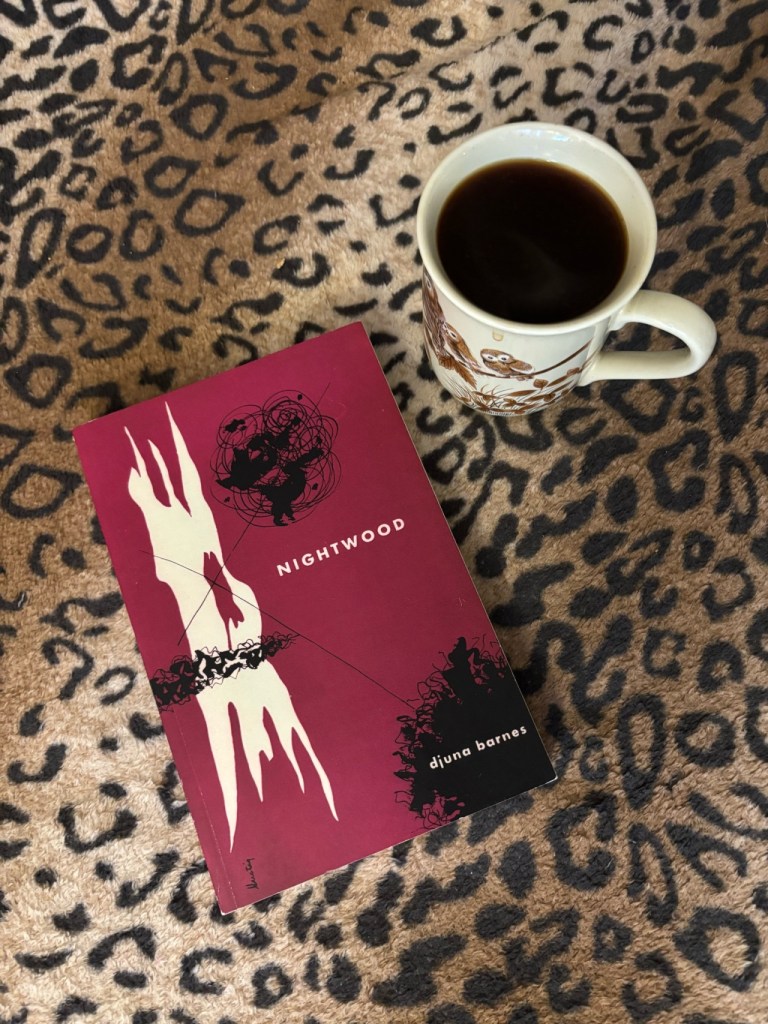
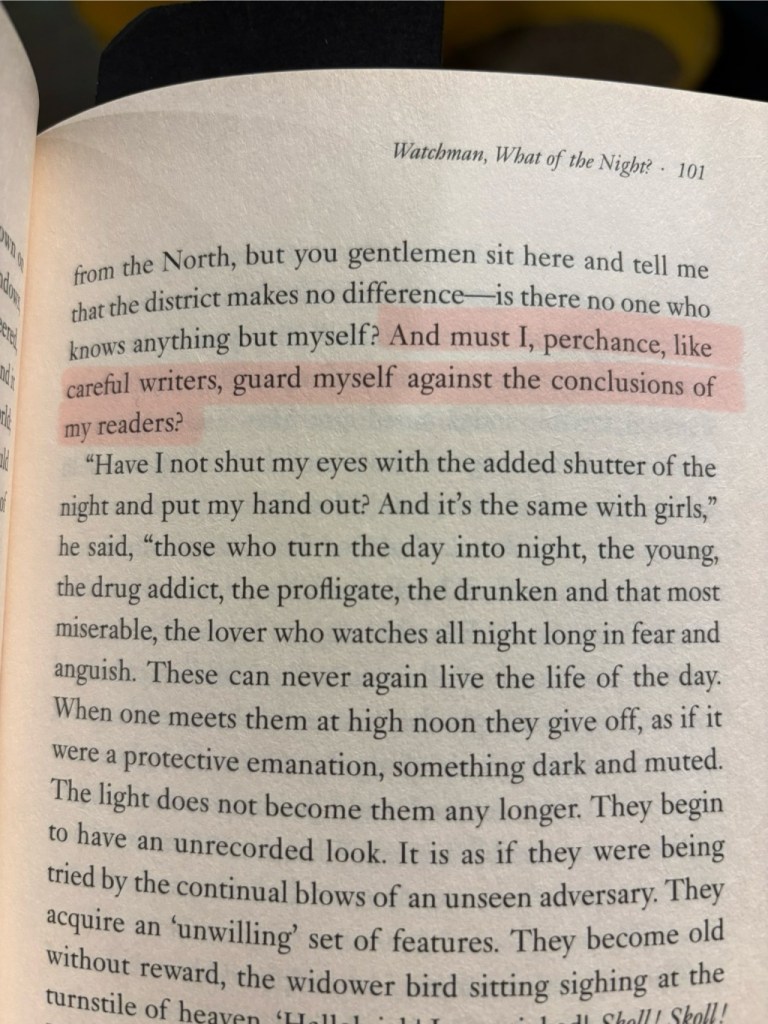
  • Book Review: Nightwood by Djuna Barnes (1936)

    🌕🌕🌕🌗🌑

    Nightwood absolutely humbled me, and I loved it. I knew it had a reputation for being difficult and dense, but I wasn’t expecting to have to give myself a crash course on the interplay of religious, national, and sexual identities in Europe from the 1400s to the late 1800s before even getting past the second page. I still felt ill-equipped to understand all the social and theological themes that Barnes puppeteers the characters with here, but some rudimentary knowledge allowed me to at least feel more situated in the time period. After that, I kind of just laid back, let the prose do its work, and tried not to get too caught up on the things I didn’t understand, which was a lot, because Nightwood is a highly allegorical and impressionistic piece of art.

    (more…)
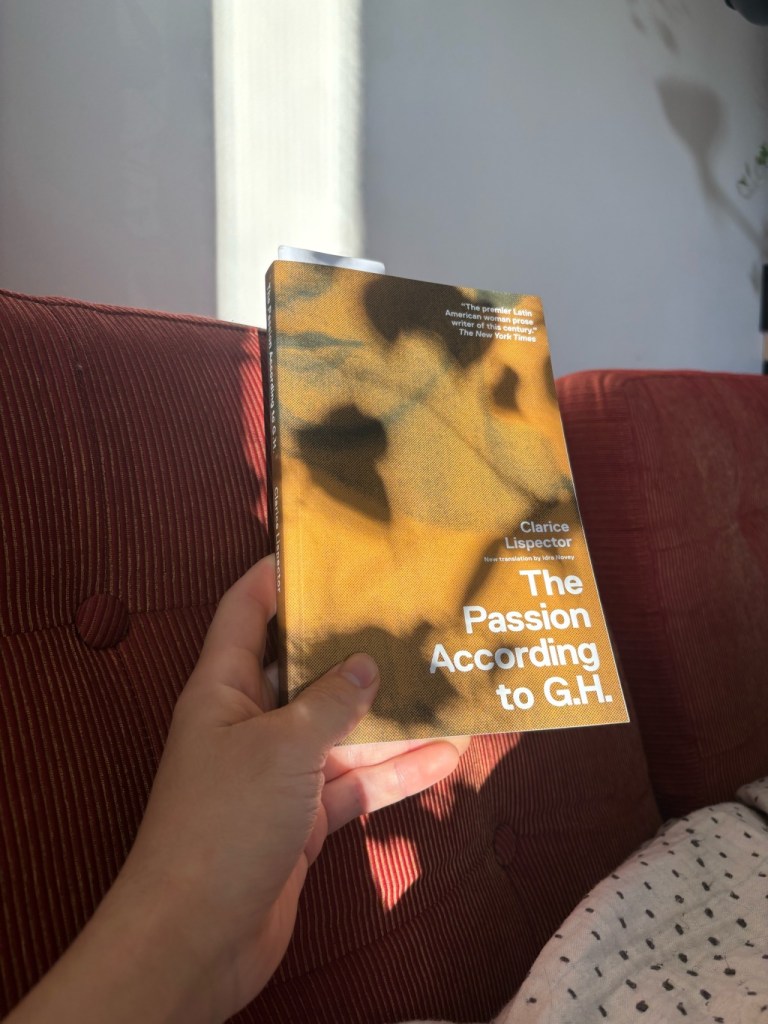
  • Book Review: The Passion According to G.H. by Clarice Lispector (1964)

    🌕🌕🌕🌗🌑

    After being impressed (if not mystified) by the ingenuity of Água Viva back in January, I quickly hopped into The Passion According to G.H. with a friend, and we read it slowly over the course of ten days. It was great, as I expected, but I think reading it in small bites between other books did a bit of a disservice to Lispector. Lispector just has a flow to her prose that shan’t be broken; her stream of consciousness is a river, and the constant starts and stops made it hard for me to grasp the panoramic view of the ideas she was playing with. That being said, I still enjoyed what I got out of this book.

    (more…)
  • Book Review: Omensetter’s Luck by William H. Gass (1966)

    🌕🌕🌕🌕🌑

    I found Gass’s prose to be of such an irresistible, clay-like tactility that I couldn’t help but rush to my copy of Omensetter’s Luck immediately after finishing In the Heart of the Heart of the Country. I haven’t been that enamored by an author since discovering Anna Kavan last year. It’s no surprise that both writers are not only incredibly bold stylists but also possess a knack for laying bare the ugliness of disordered and obsessive personalities; only Gass’s characters are much more hateful than they are melancholic, and like a psychological car crash, you just can’t help but get sucked into their negative thought spirals.

    (more…)

Something went wrong. Please refresh the page and/or try again.